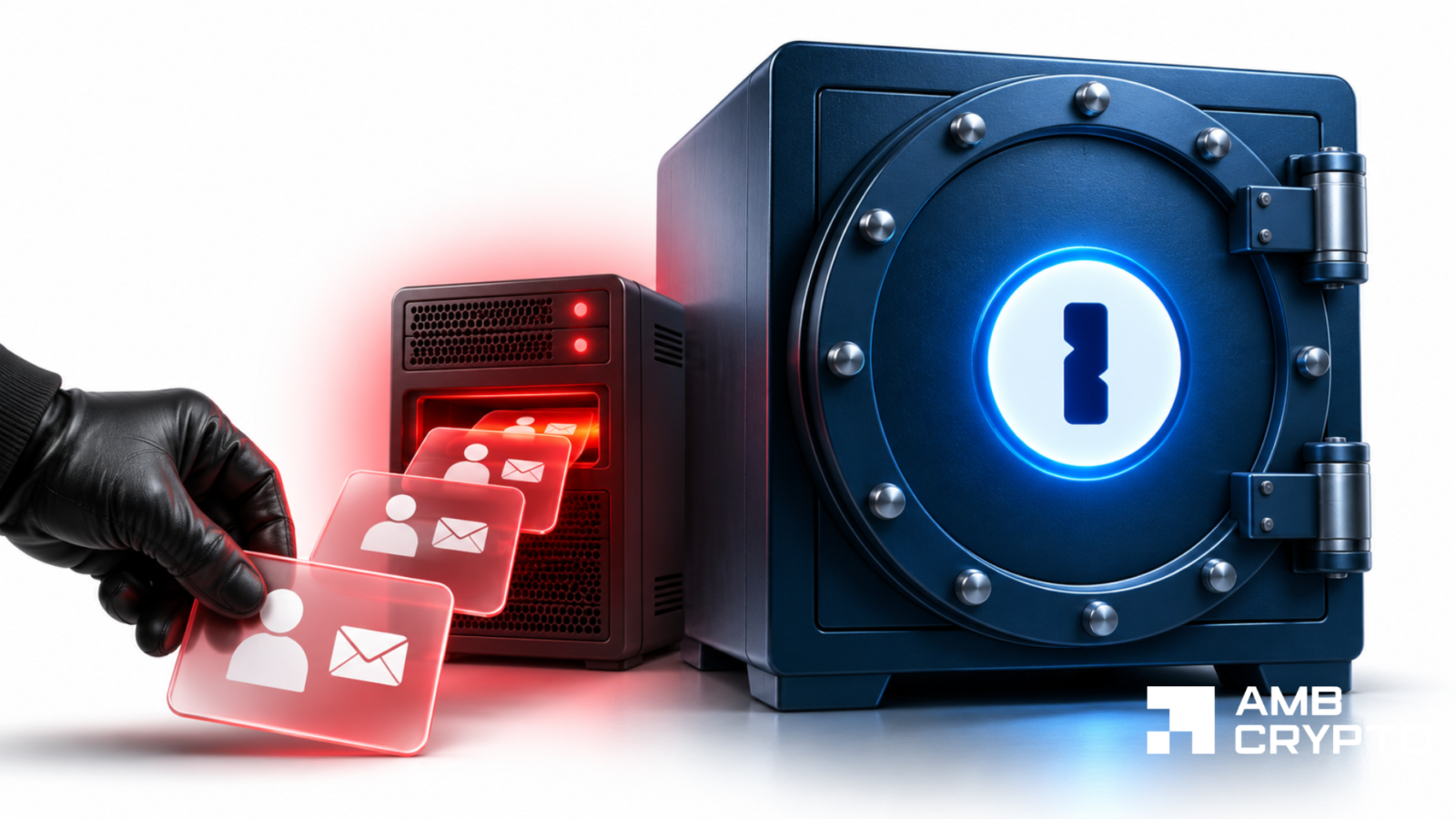
1Password confirmed a breach on the 25th of November after an attacker copied customer records through compromised backend systems.
The company said password vaults remained protected, while the stolen information raised the risk of convincing impersonation attempts. For those unaware, 1Password is a password manager that stores passwords, passkeys, and other sensitive information in encrypted digital vaults.
What did attackers take?
1Password began investigating on the 19th of November after an attacker compromised an employee’s corporate GitHub account. The attacker used that access to push malicious code into backend services and download records for some customers.
Those included names, email addresses, account identifiers, creation and sign-in times, and non-secret technical metadata. The attacker also copied public keys, authentication parameters, and tokens from certain invitation, provisioning, and account recovery links.
1Password said those tokens alone could not grant access; users also needed to complete sign-in or email verification. The attacker also copied private source code and accessed the company’s software deployment systems.
However, it stated that it never stored account passwords or Secret Keys required to decrypt vaults.
The company disabled the compromised account and rotated potentially exposed credentials. It reported no internal evidence of account takeovers through exposed provisioning tokens.
How did they get in?
The reassurance about vaults left a separate question hanging: how had one employee account enabled such extensive access?
Akash Network founder Greg Osuri said his trust was “heavily diminished” and called for an option to keep vaults entirely local. Crypto and blockchain CTO Nicki Sanders focused on the intrusion, stating,
The part that worries me is how they got in.
The part that worries me is how they got in.
Trading Strategy co-founder Mikko Ohtamaa favored open-source alternatives, arguing that transparency could make persistent attacks easier to detect.
Others were less categorical. X user Tom Lombardi called the incident,
Bad, but not a deal killer.
Bad, but not a deal killer.
The disagreement extended to passwords themselves. Binance co-founder Changpeng Zhao (CZ) urged users to change all passwords.
After 1Password said passwords remained unexposed, CZ acknowledged the clarification and suggested weak-password checks and changing login emails to protect against phishing.
Could stolen records fuel crypto phishing?
Stolen account details could help scammers impersonate 1Password through convincing recovery messages. That risk already reaches beyond email.
Unit 42 research tracked fake IT-support voice calls targeting over 150 employees across at least ten companies. The activity ran between January and April 2026.
Binance’s official risk account previously documented WhatsApp impersonators using supposed P2P account problems to solicit login QR-code scans. Ledger’s campaign tracker documented fake support calls and physical letters directing recipients toward recovery-phrase theft.
Final Summary
- The attacker copied customer records, recovery-related tokens, and private source code after compromising an employee’s corporate GitHub account.
- 1Password said vaults remained protected and passwords stayed unexposed. Still, stolen account details could help scammers craft convincing phishing messages.