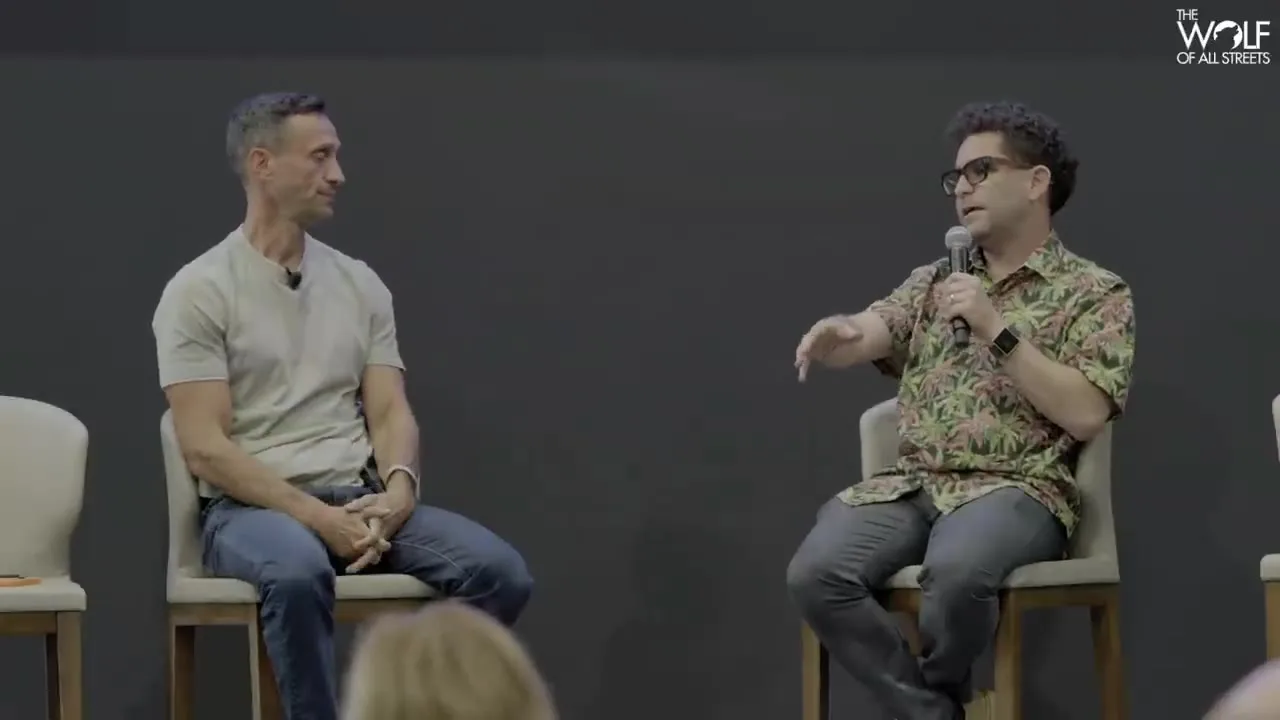
BitInstant co-founder Charlie Shrem recalled how the company simplified Bitcoin purchases before regulatory requirements forced it to suspend operations.
Making Bitcoin easier to buy helped drive early demand, according to Shrem. At a time when purchases involved sending money to an exchange in Japan, BitInstant enabled customers to pay cash at stores in America and receive Bitcoin in their wallets.
In a November 15 interview on The Wolf of All Streets, Shrem described the obstacles facing early buyers, including exchange account registration and manual verification. “There was no industry,” he said.
When BitInstant started in 2011, Shrem said, buying Bitcoin meant using Japan-based Mt. Gox and wiring funds to its operator’s personal bank account. BitInstant kept money on the exchange, collected customers’ payments in America and transferred the corresponding funds, minus a fee, to their exchange accounts.
Demand repeatedly outstripped the company’s available cash and Bitcoin, prompting it to borrow Bitcoin from early miners and industry participants, Shrem recalled. Customers could print a barcode from its website, take the paper to a store such as 7-Eleven and pay $200 in cash, with funds reaching their Bitcoin wallet within 20 minutes.
Shrem said the business expanded rapidly. Citing a TechCrunch article from late 2011, he said BitInstant accounted for about 30% of transaction volume on the Bitcoin blockchain at the time. He stressed that the share covered all blockchain transaction volume, rather than purchases and sales alone.
Funding development was another early challenge. Shrem recalled meeting Gavin and other participants in Austria after Satoshi disappeared to discuss establishing the Bitcoin Foundation. Its initial purpose, he said, was simply to pay Bitcoin developers.
Shrem said BitInstant suspended operations on legal advice after FinCEN said businesses buying and selling Bitcoin were subject to money transmitter requirements. The company was developing a new website and had signed an agreement to operate under another company’s licenses, he added. He described the summer of 2013 as the end of Bitcoin’s early era, with regulation and licensing becoming central conditions for operating a business.
Riza Dagoc
Riza Dagoc reports on regulation, investing and the digital-asset business for TokenPost. Send corrections or tips to [email protected].