A trillion-dollar British asset manager just put its emerging market bond fund on Solana, and Wall Street is watching closely. But the relationship between tokenized funds and SOL demand is far more complicated than most crypto investors assume.
The Crypto Desk desk. Editor: Sam Daodu.
This post may contain links from our sponsors and affiliates, and Flywheel Publishing may receive compensation for actions taken through them.
Schroders, a major British asset manager with approximately $1.1 trillion in assets under management, has launched its Emerging Market Bond Fund on the Solana (CRYPTO:SOL) blockchain. This marks the firm’s inaugural venture onto the network. Centrifuge unveiled the Solana tokenized fund, which provides the technology for this type of investment product.
SOL is trading at $97, reflecting a 3.3% increase over the past 24 hours. Despite this daily gain, the token remains down 19.7% over the last month and 67% below its all-time high of $293 recorded on January 19, 2025. While the recent price uptick lacks a clear correlation to Schroders’ fund, the longer-term decline suggests a continued struggle to attract buyers.
Throughout 2026, several prominent Wall Street names have introduced tokenized products on Solana, leading SOL holders to view each new launch as a sign of increasing institutional interest. But does the launch of a bond fund by a trillion-dollar asset manager truly create buying pressure for SOL?
How Schroders’ Solana Tokenized Fund Works
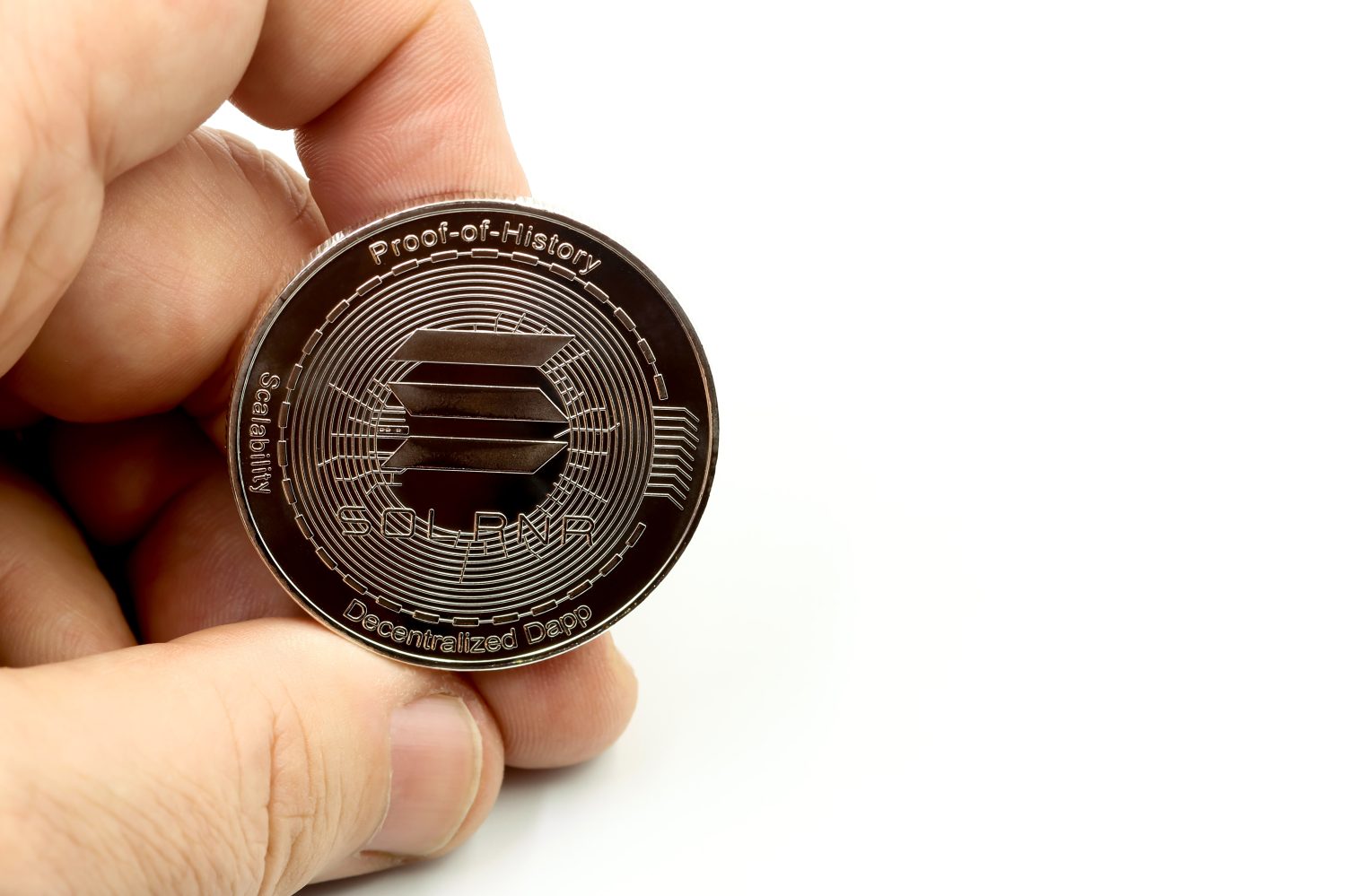
A tokenized fund is essentially a traditional investment fund whose shares are represented as tokens on a blockchain. This setup allows investors to hold and trade their shares through digital wallets at any time. Centrifuge provides the technology that enables this process, managing smart contracts, investor lists, and on-chain fund records, while also operating an asset management division called Anemoy.
This new fund is part of the Schroder International Selection Fund, which falls under Schroders’ Luxembourg fund range. The fund aims to achieve capital growth and income that surpass an emerging market bond benchmark. Emerging market debt generally refers to bonds issued by governments and companies in developing economies, which typically offer higher interest rates because lenders take on greater risk.
Currently, Schroders and Centrifuge have not disclosed the size of the Solana fund, its minimum investment requirement, or the types of investors who may participate. As an institutional product, it is likely open to pension funds, insurance companies, and professional investors.
Schroders Earns the Same Type of Fee on Solana as in Luxembourg

Schroders primarily generates revenue through management fees, a percentage of client assets expressed in basis points (one-hundredth of a percentage point). The fees for the Solana version of the bond fund will be the same as those of the Luxembourg counterpart, as the blockchain simply changes how investors access the fund.
Schroders has been exploring this avenue for quite some time. The firm previously conducted a pilot program for tokenized insurance-linked securities and secured approval from the Central Bank of Ireland for a tokenized money market fund. Additionally, Centrifuge operates a vault for the same Schroders bond fund on Ethereum, which launched on October 28 and is denominated in USDC, a stablecoin pegged to the U.S. dollar, according to vault tracker Trading Strategy.
Wall Street’s Solana Funds Use SOL Only for Network Fees
Investors in the new fund will transact using stablecoins, meaning SOL comes into play only as the network fee required to conduct transactions on Solana. These fees are relatively low. A portion of each base fee is burned, while the remainder supports validators—the operators who maintain Solana’s network and stake SOL to facilitate transactions.
Furthermore, neither Schroders nor Centrifuge has committed to purchasing, holding, or staking SOL as part of their operations. Institutional bond funds typically see infrequent subscriptions and redemptions, meaning far fewer transactions than the ongoing trading needed to drive fee revenue.
The Solana Foundation, which advocates for the network’s growth, noted on X that “Schroders has 30+ years in emerging market debt. Now it’s exploring distribution through investors’ wallets.” The word “exploring” accurately reflects Schroders’ intention to test a new sales channel without guaranteeing a significant allocation to Solana.
JPMorgan and BlackRock Already Run Tokenized Funds on Solana
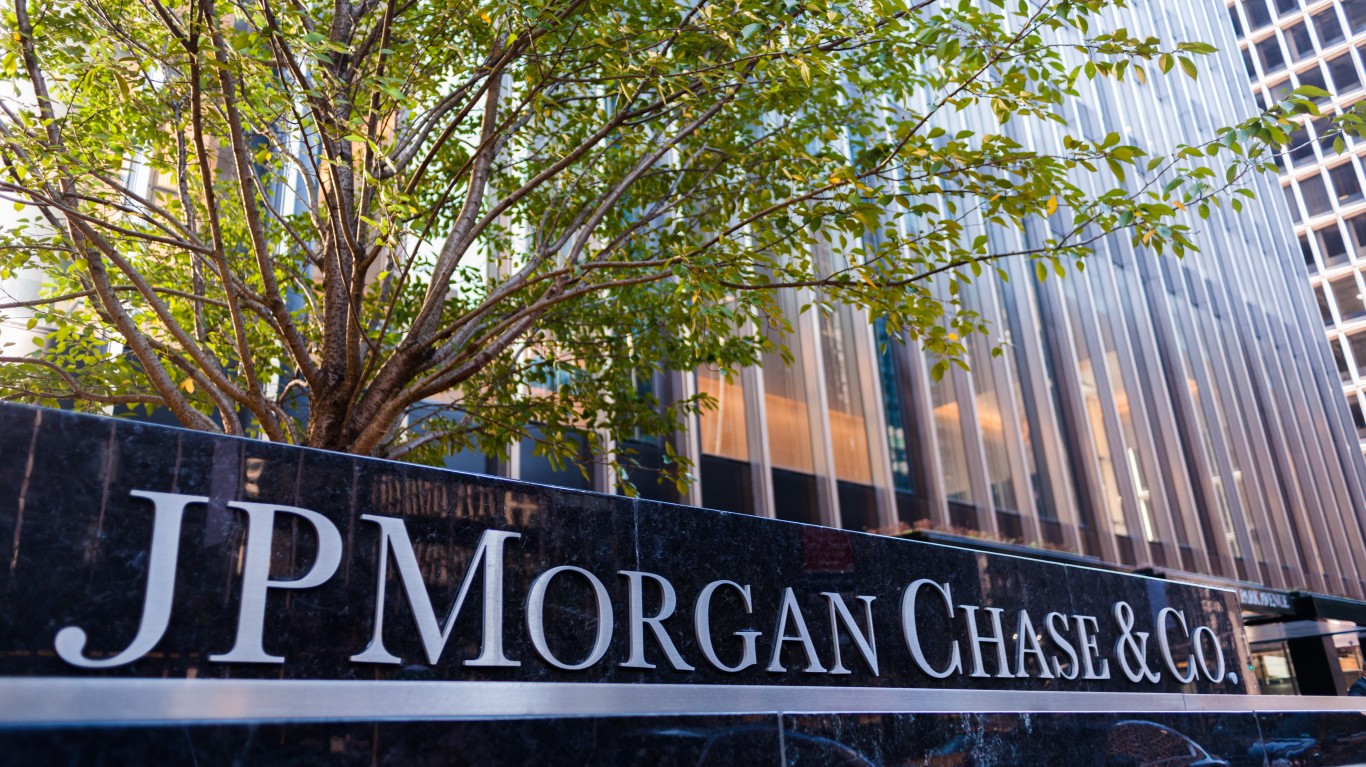
Schroders faces a competitive landscape. Notably, JPMorgan Chase (NYSE:JPM | JPM Price Prediction) introduced its MONY and JLTXX tokenized money market funds on Solana in October after predominantly operating on Ethereum. Additionally, BlackRock (NYSE:BLK) launched a tokenized money market fund aimed at stablecoin reserves on both Solana and Ethereum. Each firm uses multiple blockchain platforms, allowing Solana to feature its products without relying exclusively on the network. During this crowded period, SOL’s value even declined over the 30 days that included JPMorgan’s entry.
Does Schroders’ Solana Fund Create Demand for SOL?
In conclusion, the answer appears to be no, or at best, very little. The new fund does not significantly generate demand for SOL, and Schroders seems to stand to gain far more from this launch than the cryptocurrency itself. This venture offers the firm an efficient way to reach crypto-focused institutions that deal in stablecoins. As for Centrifuge, it adds another well-respected manager to its roster following the recent launch of the JQQQ fund by Janus Henderson (NYSE:JHG) on October 27 and an investment from Coinbase (NASDAQ:COIN) on May 5. Overall, SOL’s future remains uncertain amidst these developments.
Contact [email protected] for any questions or corrections.
Sam Daodu is a crypto analyst and the editor of 24/7 Wall St.'s Crypto Desk, where he covers Bitcoin, XRP, Ethereum, Solana and the altcoins investors search for most. His work focuses on price levels, spot ETF flows, on-chain data and the regulatory decisions that move crypto markets, written so a first-time buyer and a seasoned trader can both use it.
Sam has written about crypto professionally since 2019 and has published more than 2,000 articles. Before joining 24/7 Wall St., he wrote for crypto media outlets and Web3 companies and ghostwrote for crypto founders and token launches. His analysis is syndicated on Yahoo Finance, MSN and AOL and has been cited by other crypto news sites. He also founded MacLabs Marketing, a content and personal branding agency for crypto founders and executives.
When he isn't reading charts, Sam is usually at the gym or watching One Piece, a series he maintains has better tokenomics than most altcoins.