Crypto dollars have reached government debt, with the bond recorded under the buyer's own name. Before you copy the move, look hard at how the money comes back to you.
Nichel Gaba, founder and chief executive of the Philippine crypto exchange PDAX, puts the average retail investment at $750. According to a Bloomberg report carried by BusinessWorld on Thursday, about 1,200 investors used digital tokens to fund roughly $1 million of the government's third Retail Dollar Bond, known as RDB 3.
So yes, you could buy Philippine retail dollar bonds with stablecoins, and PDAX offered that route during the November 19 to 24 sale. The minimum was $200. The three-year bond pays 5.65% a year in quarterly dollar installments, with no withholding tax deducted from your interest because the Treasury assumes it. It's due to be issued on Friday, November 27, and matures on the same date in 2029.
Keep the size in view. The Bureau of the Treasury said on Wednesday that it raised $1.26 billion in all, BusinessMirror and The Manila Times reported, with $453.4 million coming from the November 19 rate-setting auction and $806.09 million arriving during the offer period. The token-funded orders work out to about 8 cents of every $100.
Don't dismiss those 8 cents. PDAX asked for at least $1,000 from anyone funding by direct dollar bank transfer, according to BitPinas, so getting in at $200 with coins you already held was a much lower step. Small buyers had other choices, since banks and GCash's GBonds sold the same issue, but PDAX gave people whose dollars sit in tokens a way to lend them to the state. Gaba expects stablecoin growth to come from underserved groups, including Filipinos without bank accounts and overseas workers who can't open local ones, according to a Zhitong Finance report published by Longbridge. He also said the short offer period left little room for focused marketing.
Order FIN-2026-R002 moves covered reports to December 30 for institutions that were using Secure Data Transfer Mode on November 18, along with certain beneficial ownership and FinCEN ID filers. Other anti-money laundering duties still apply, and no culprit has been named. - FinCEN hack bank report database breach - FinCEN cybersecurity incident suspicious activity reports
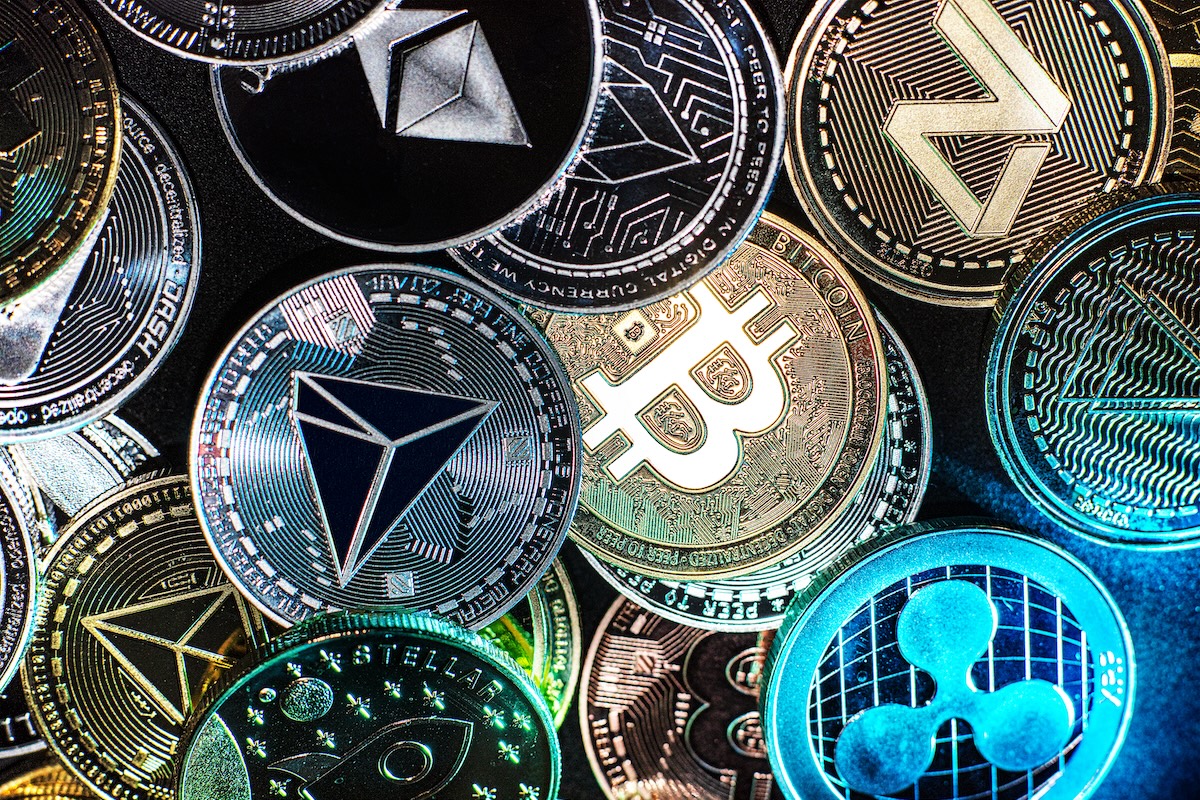
PDAX accepted seven dollar stablecoins, BitPinas reported. Tether's USDT and Circle's USDC were on the list, as were PayPal's PYUSD, Ripple's RLUSD and Western Union's USDPT, with Global Dollar (USDG) and USAT making up the rest.
The Treasury sale didn't run on any of them. Your coins were first converted into USD*, a balance that PDAX uses on its own platform. The exchange then turned USD* into dollars and passed those to PDAX Securities, its broker, to execute your order. The bond isn't a blockchain token either. Your holding is recorded in your own account at the National Registry of Scripless Securities, even though the PDAX app displays it as an RDB 3 token.
USD* deserves as much of your attention as the bond does. PDAX's guide says that holding it, or its euro version, "does not mean you directly hold US dollars or euros." The company's product disclosure names USDG as the current reference asset and lets PDAX switch to another dollar stablecoin at any time. Backing can be held as stablecoins, dollars, dollar assets such as Treasury bills and bonds, or a mix, and there's no guarantee of a strict one-to-one rate. We found nothing in the disclosure or guide saying whether those reserves are kept apart from PDAX's own assets, or what you could claim if the company failed. The bond guide traces your money from USD* to dollars to the broker, but it doesn't explain how that cash is protected along the way or how an unfilled order would be refunded. Read the exchange's full terms before you assume anything.
Can you get your stablecoins back?
No. PDAX is blunt about it: "you cannot convert USD* to USD-denominated stablecoins." Interest and principal are paid in dollars to its broker and reach your account as USD*, which you can convert to pesos or withdraw to a US dollar bank account.
The bank route has a floor. PDAX's disclosure sets the minimum cash-out at 1,000 USD*, including fees and charges. An $800 holding pays $11.30 a quarter, so even if you left all 12 payments untouched, you'd finish with $935.60 including principal and still fall short. Unless you have other USD* to add, or the limit changes, you're looking at pesos. The pages list no separate minimum for that conversion, though you'd get whatever exchange rate applies at the time.
The central bank does have rules covering the tokens that licensed firms offer. A June 5 memo from the Bangko Sentral ng Pilipinas tells virtual asset service providers to carry out due diligence on coins, with reserves and withdrawal rights among the factors, and to suspend or delist them over problems such as de-pegging or inadequate reserves. The memo doesn't address buying government bonds with stablecoins, and it never mentions USD*. Blockhead noted on November 19 that none of the reports it reviewed showed the central bank commenting on these purchases.
The primary offer has now closed. PDAX's secondary market for the bond is due to open on Friday, subject to market conditions, and the price there can be higher or lower than what first buyers paid. Its disclosure also says stablecoin conversion into USD* is available during specified periods, so check that your coin is being accepted before you send it.
The Securities and Futures Commission would license four new crypto activities under the bill, which has no deemed-licence route for existing dealers. Consultations drew 101 submissions on dealing and 93 on custody, and lawmakers get their first reading on December 2. - Hong Kong crypto firm licensing bill - crypto dealer adviser custodian licence Hong Kong
Also read: FinCEN Was Hacked but Sees No Sign Its Bank Report Databases Were Breached • Circle shares fall 7% to $47.72 as USDC growth stalls and reserve income shrinks • Tether sought fees of up to 20% from hack victims before returning frozen USDT, Bloomberg reports
This article is posted in Crypto News, check it out for more related stories.
Join the discussion
Almost there. Sign in and your reply posts straight away.