Summary
- Growing public opposition and tighter regulation of data centers around the world are making power grids and local acceptance key new variables.
- Financial markets also swung sharply in the US, with the Nasdaq Composite plunging 5.5% on concerns over tighter data center regulation.
- South Korea’s commercial data center supply is set to increase about 2.7 times by 2030, but faster growth in AI and cloud demand is projected to leave a shortfall of about 670 megawatts.
Forecast Trend Report by Period
Residents Push Back Worldwide as Regulatory Tensions Rise
Power Supply, Local Acceptance Emerge as New Variables
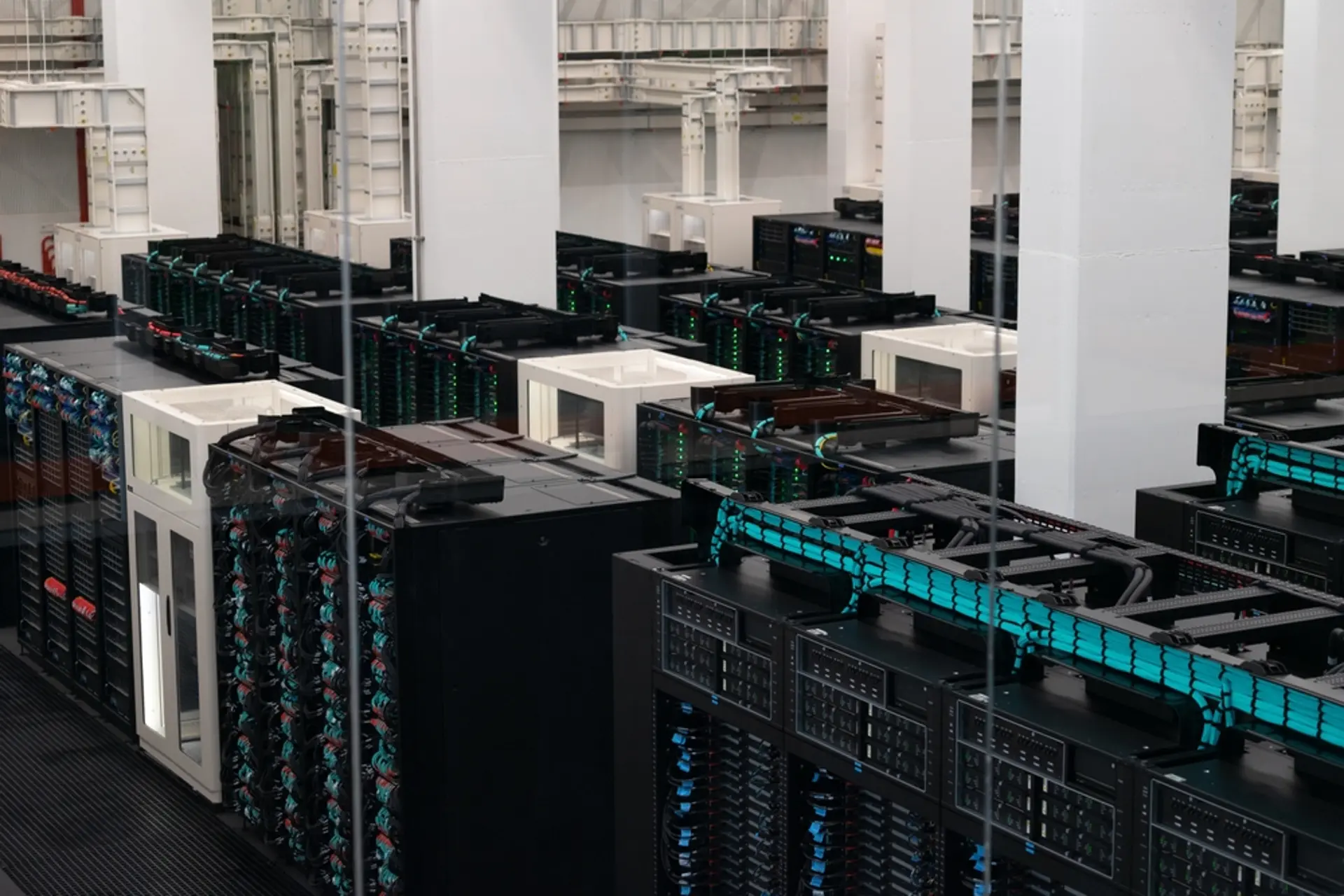
Profile Park, a cluster of data centers in western Dublin, was quiet farmland little more than a decade ago. Now giant gray buildings line the site. Vantage Data Centers of the US is building two hyperscale data center buildings there, along with its own power plant. As pressure on the grid mounts, data centers are turning into hybrid industrial complexes with dedicated generation capacity.
Downtown Dublin was abuzz on November 14 with an international artificial intelligence summit. Henna Virkkunen, executive vice president of the European Commission, said Europe needs to triple its data center capacity within five to seven years. Outside the venue, protesters from a group calling itself Angry Data Centre chanted slogans including “No energy vampires, no job thieves.” The scene encapsulated both the benefits and the backlash tied to Ireland’s status as a data center powerhouse.
In the US, frustration over the data center boom shaped election results. In midterm elections held on November 3, Democratic candidates who had pledged to temporarily halt data center construction and tighten regulation won gubernatorial races in Texas, Georgia and Ohio. Concerns over rising electricity bills, water shortages and environmental burdens fed into the vote. Financial markets also reeled. On November 5, the Nasdaq Composite fell 5.5% amid worries about tougher data center regulation.
South Korea is also seeing stronger anti-data center sentiment. In the greater Seoul area, securing grid capacity and overcoming local opposition have emerged as major obstacles to project development. Residents’ consent is not a uniform legal requirement, but strong civil complaints can delay permits and construction starts, creating a barrier to development. Even so, data center expansion cannot be slowed. South Korea’s commercial data center supply is set to rise to 2,270 megawatts by 2030 from 836 megawatts last year, an increase of about 2.7 times. But AI and cloud demand are growing even faster, leaving an estimated shortfall of about 670 megawatts.
Min Kyung-jin, Dublin, [email protected]
Korea Economic Daily