The $6.3 billion theft from Binance, the world’s largest cryptocurrency exchange, offers India a warning about digital assets. It shows neither that cryptocurrencies must be banned nor that exchanges can be trusted to regulate themselves. It shows why enforceable investor safeguards matter.
Hackers struck on October 29. Binance subsequently drew on its Secure Asset Fund for Users, futures insurance reserves and corporate funds to replace affected holdings. On November 12 it took a fresh proof-of-reserves snapshot, and it later announced that replenishment was complete. Replacing customers’ assets, however, is not the same as recovering stolen funds. Nor does an exchange’s ability to absorb an extraordinary loss remove the need for independent oversight.
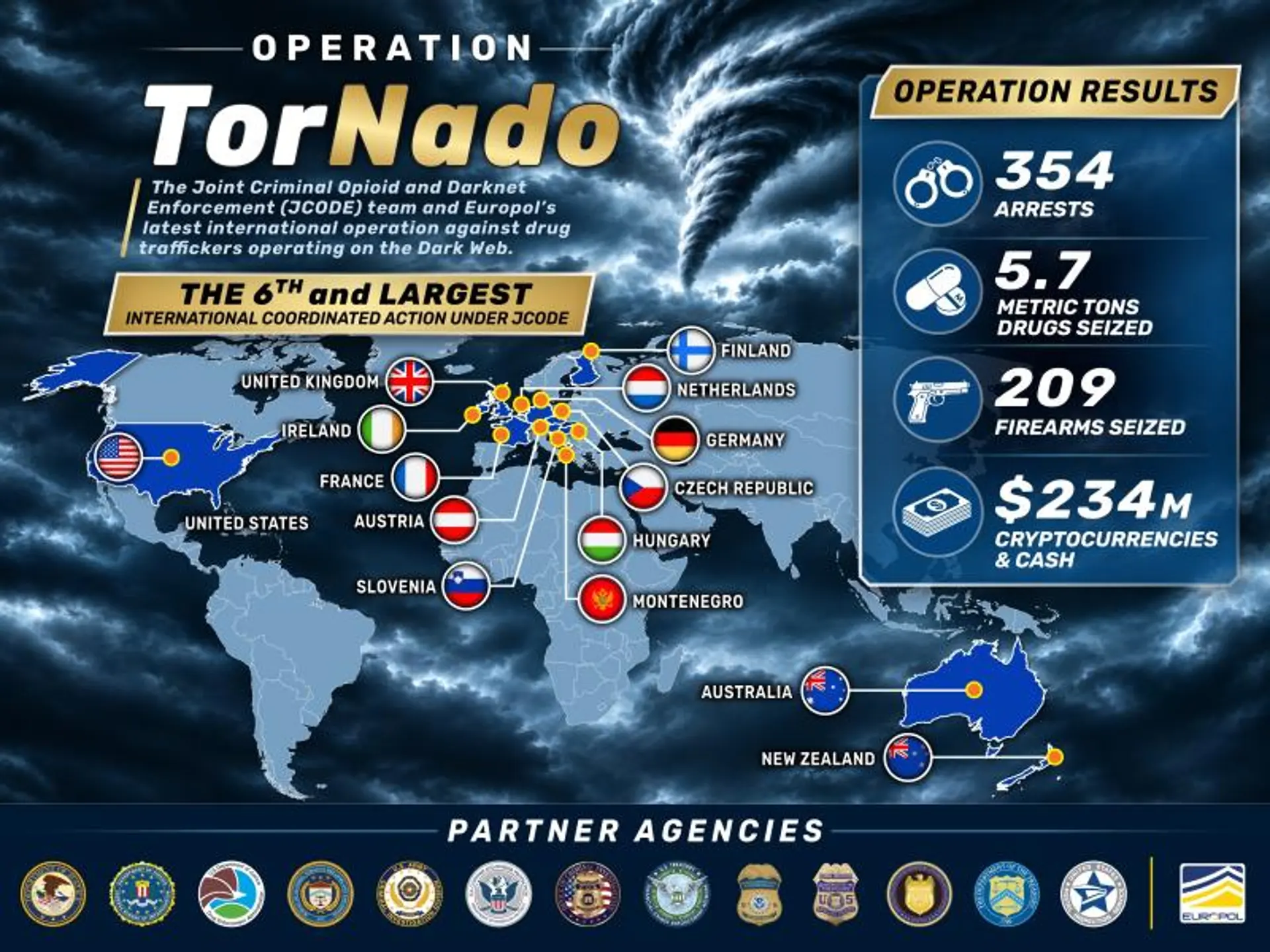
The criminal investigation makes that plain. The FBI attributes the attack to North Korean hackers. US authorities say public agencies and private partners have frozen more than $2.7 billion, with court orders authorising the seizure or restraint of over $1.2 billion. Tracing the remaining funds requires cooperation across borders and between exchanges, stablecoin issuers and law-enforcement agencies.
India’s framework remains uneven. Crypto gains face a 30% tax, while certain transfers attract 1% tax deducted at source. Anti-money-laundering obligations apply, yet comprehensive rules governing custody, exchange conduct and investor redress remain lacking. Taxing activity heavily without offering clear protection may encourage traders to use less transparent channels.
The priority should be licensing exchanges, separating customer assets from company funds, independent reserve checks, mandatory security audits and prompt disclosure of breaches. Exchange-financed compensation arrangements could offer further protection, subject to credible supervision. Stablecoins also need clear rules on reserves and redemption; backing alone cannot eliminate risk.
Binance’s response illustrates the value of preparedness, but voluntary safeguards are no substitute for law. India needs credible and consistently enforced regulation that makes exchanges answerable before disaster strikes, not promises after it does.