What happened
When Bitcoin slipped to about $55,000 last weekend, the revenue miners earn per unit of computing power - called hash price - fell to its weakest level in at least a year, per Hashrate Index. JPMorgan estimates it now costs roughly $86,000 on average to produce one Bitcoin, though expenses vary a lot by operator.
That mismatch is why more miners are tapping their treasuries. Backed by the Trump family and earlier committed to retaining all the coins it mined, American Bitcoin Corp. sold Bitcoin in the third quarter to help cover operating expenses, while MARA Holdings Inc., Core Scientific Inc. and CleanSpark Inc. have already been unloading tokens. The CEO of GoMining, Mark Zalan, put it plainly: "It's likely that we'll see pressure for companies to liquidate their Bitcoin holdings more because the bills have to get paid, payroll has to run regardless of what the price of Bitcoin is."
Why the economics got tight
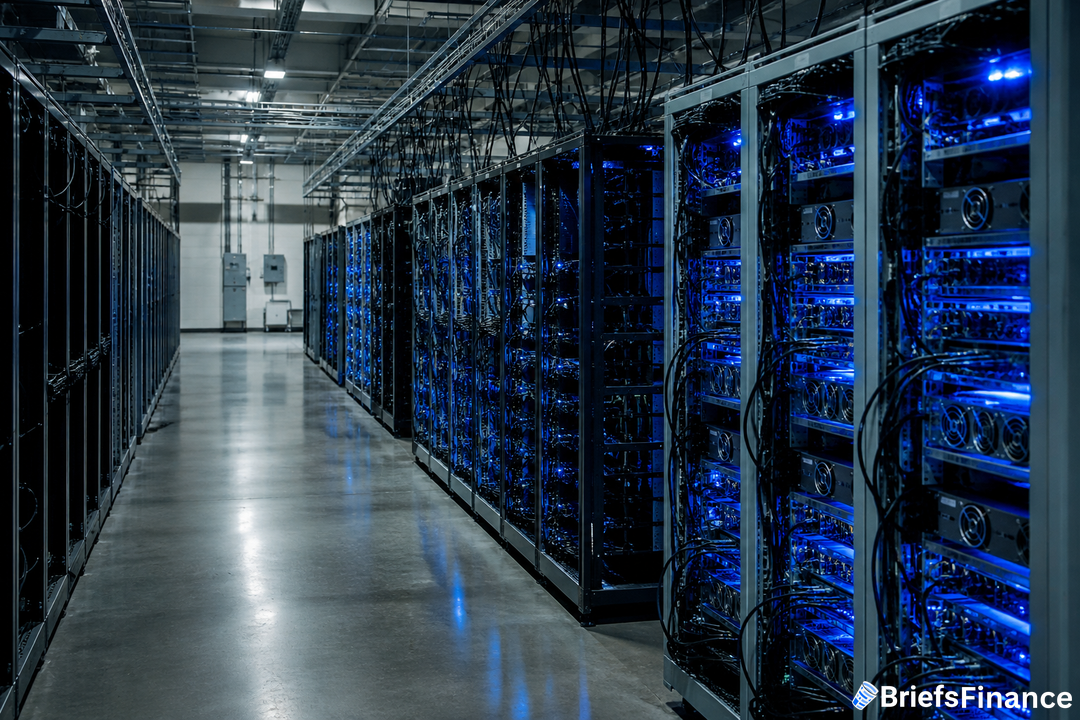
Mining is capital hungry: firms sink billions into data centers, specialized machines and huge power bills to validate transactions and earn token rewards. With prices down and revenue per hash sliding, losses risk spilling over into the broader crypto market, and if red ink persists, it could spark another round of forced selling.
Costs are not uniform. American Bitcoin said its third quarter cost to mine a coin was about $42,100, and it has secured nine-figure financing to deploy top-tier rigs. Smaller or private miners, by contrast, often face higher costs or rely on older machines. As Zalan put it, "People that have old equipment are probably in a bigger world of pain." For the most efficient operators, he said the breakeven price can be between $50,000 and $60,000.
When industries adapt to changing conditions, staying informed matters, so sign up for the free Market Briefs to get concise daily context
Signals from the network and stocks
Many miners have already pulled the plug on some machines as power and other costs outstrip the value of the Bitcoin they would generate. Glassnode noted the network's hash rate - the total computing power securing Bitcoin - slid about 8% compared with a year earlier, marking the first yearly contraction since China's 2021 ban on mining. That prior dip was policy driven; this one is driven by price. One moderating factor: Bitcoin's four-year supply changes have made this selloff less severe than past cycles.
Mining equities show the strain. MARA shares are down around 40% this year, CleanSpark has fallen about 50%, and American Bitcoin has dropped roughly 85% since last December.
The stakes for your portfolio
For investors holding miner stocks or Bitcoin, watch the chain reaction: weaker hash price squeezes cash flows, which pushes token sales, which can add pressure to prices. If losses keep piling up, that feedback loop could tighten. The bottom line: funding pivots into AI data centers while shouldering high power costs is getting harder, and the companies with the newest machines and cheapest energy have the wider margin for error.
In uncertain times, a quick clear overview helps you think ahead, subscribe to the free Market Briefs newsletter for short daily updates