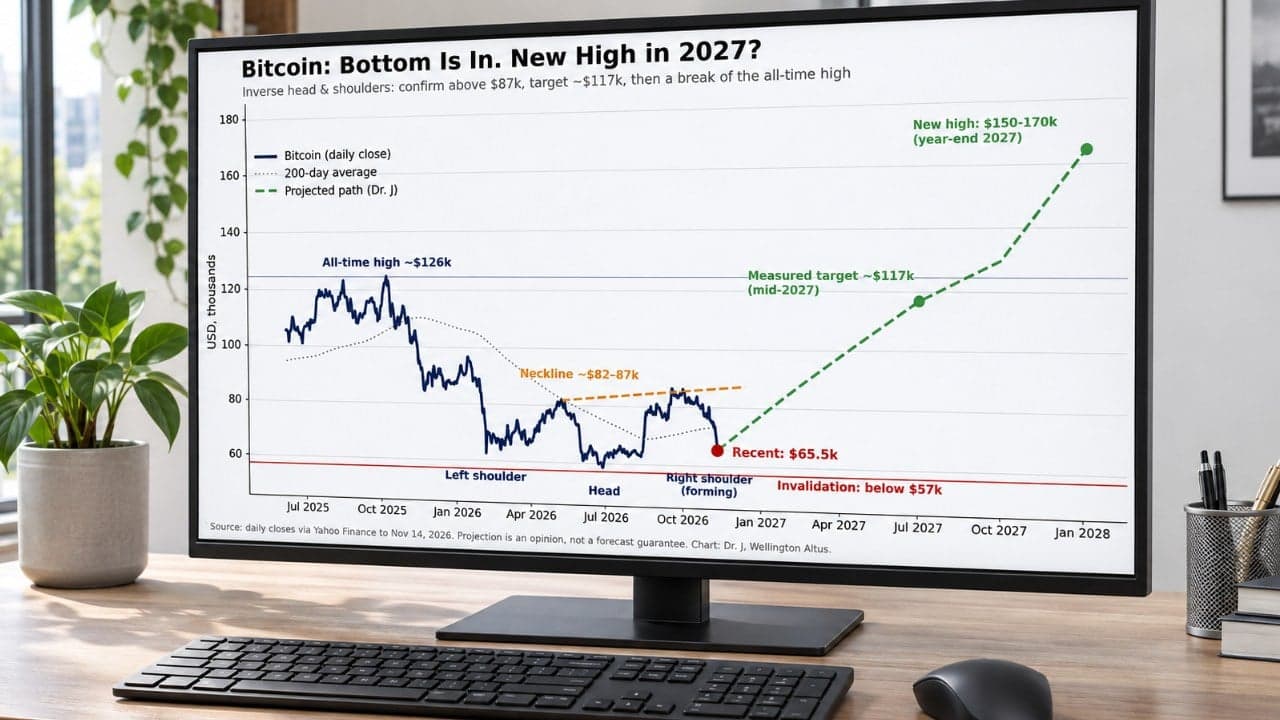
Bitcoin came under renewed selling pressure on November 15, falling toward $62,000 after U.S. spot Bitcoin exchange-traded funds (ETFs) recorded $1.91 billion in net outflows across seven consecutive trading sessions. The cryptocurrency lost 15.6% over 11 days, marking its sharpest comparable decline since June, according to Binance Research.
The combination of sustained ETF redemptions, weakening sentiment toward artificial intelligence financing, and leveraged liquidations has intensified pressure across digital asset markets. The sell-off also highlights Bitcoin's growing sensitivity to broader movements in risk-oriented financial markets.
Bitcoin ETF Outflows Reach $1.91 Billion in Seven Sessions
U.S. spot Bitcoin ETFs experienced $1.91 billion in net withdrawals over seven consecutive trading sessions, making the period one of the largest seven-session outflow episodes since the products launched.
Data from Farside Investors showed that the withdrawals occurred between November 5 and November 13. On the final session, investors pulled approximately $185.4 million from the funds.
Bitcoin's decline accelerated during the same period. The cryptocurrency dropped below $70,000 on November 13 before extending its losses toward $62,000 on November 15, reaching a three-month low.
Leveraged trading added to the downward pressure. Approximately $750 million in Bitcoin long positions were liquidated, accelerating the decline as bullish traders were forced out of their positions.
AI Financing Concerns Add Pressure to Bitcoin
The latest market weakness has coincided with declining sentiment toward companies exposed to artificial intelligence financing. According to Binance Research, NBIS perpetuals, used as a proxy for sentiment surrounding AI financing-sensitive companies, fell 27.5% over the same 11-day period in which Bitcoin declined 15.6%.
The parallel movements point to broader risk reduction across financial markets rather than an isolated cryptocurrency downturn.
Nvidia has emerged as a focal point in the technology sector sell-off. Weakness in the company's shares during pre-market trading contributed to pressure on technology stocks, while Bitcoin also moved lower.
Concerns about the financing structures supporting the AI sector have added another layer of uncertainty. The source material describes a financial ecosystem involving gains, guarantees, and repurchase agreements for customers and suppliers. A slowdown in that financing activity could potentially reduce liquidity for AI-related companies and affect other risk-sensitive assets. According to Yahoo Finance.
This connection is significant for Bitcoin because market participants may treat the cryptocurrency as a risk-sensitive investment during periods of tightening liquidity. The latest ETF outflows and price decline have renewed questions about its ability to provide diversification when broader markets come under pressure.
Bitcoin's Technical Breakdown Amplifies Selling Pressure
Bitcoin's move below $70,000 was accompanied by a break beneath its 50-day and 200-day moving averages, according to PayBito. The technical decline coincided with sustained ETF withdrawals and leveraged liquidations, contributing to faster downward price movements.
As prices moved lower, liquidations added to selling pressure. The approximately $750 million in Bitcoin long positions closed during the decline illustrates how leveraged exposure can amplify market movements when prices fall through important levels.
November 16 ETF Flows Become a Key Market Indicator
Attention is now turning to U.S. trading on November 16, when ETF flow data will provide another indication of institutional demand after the weekend break.
A reduction in redemptions could suggest that selling pressure is beginning to ease. Continued withdrawals, however, would indicate that investors are still reducing exposure to Bitcoin through regulated investment products.
Exchanges and market makers may also need to account for thinner market depth during periods of correlated selling, particularly when price declines trigger additional liquidations.
For blockchain developers and protocol ecosystems, the immediate effects are less direct because network development and protocol work do not necessarily change with short-term market prices. However, prolonged risk aversion could affect venture funding, token launches, and treasury management across the sector.
Bitcoin's next market direction will therefore depend not only on price stabilization but also on whether ETF withdrawals begin to moderate and broader risk appetite improves.
Writer: Marcus Renfield Crypto Market Analyst & Onchain Writer
Marcus Renfield covers cryptocurrency markets with a focus on onchain data, Bitcoin price action, and emerging market narratives. His writing examines how capital flows, network activity, and broader market structure influence short- and medium-term trends.
He aims to provide clear, data-informed analysis for readers seeking a deeper understanding of crypto market dynamics.