An assessment says Bitcoin has moved beyond a radical technology experiment and has taken root as a mainstream asset and part of global financial infrastructure. In the past, the main debate was whether it would disappear and whether it could change the existing financial order. Now the bigger task is how reliably it operates and is incorporated into the financial system, the analysis said.
On Nov. 26, blockchain media outlet Bitcoin Magazine pointed to changes in the industry by saying Bitcoin has become more "boring" than before. It said debate over speculative frenzy and radical technological innovation has eased, while Bitcoin has entered a stage where it functions as everyday financial infrastructure.
The outlet said two views of Bitcoin have reached similar conclusions despite different starting points. One side sees Bitcoin as a tradable investment asset. The other sees it as peer-to-peer electronic cash and a monetary technology that could change the existing financial order. Both camps say Bitcoin is not currently at the center of the kind of radical change seen in the past.
Bitcoin's incorporation into the mainstream as an investment asset has advanced to a considerable extent. Early debates over whether Bitcoin was a scam and whether it would disappear have effectively ended. Its market capitalization has topped $1 trillion, and about $100 billion of Bitcoin is held via exchange-traded funds, allowing it to trade in mainstream stock markets.
The stance of the financial sector has also changed. Major banks have started to recognize Bitcoin as collateral, and holding Bitcoin has become one option in corporate treasury strategy. The outlet cited Strategy as an example, saying it holds about $63 billion worth of Bitcoin and is valued at about $55 billion in the public market. It said retirement pensions, pension funds and sovereign wealth funds are also showing interest in investing in Bitcoin, making it an asset accessible to institutions and individuals alike.
The price pattern has also changed from the early days, it said. The outlet said that while it once likened Bitcoin's price moves to a roller coaster, it now describes them as closer to hiking. Prices still rise and fall, but swings have become relatively milder and predictability has improved, it said. For investors who see Bitcoin as digital gold, such changes could be taken as a sign of maturity.
By contrast, enthusiasm has also weakened among those who viewed Bitcoin as peer-to-peer electronic cash and a tool for monetary innovation. Some participants who led the early vision have retired or started to accept Bitcoin as an investment asset. As artificial intelligence has emerged as the center of the new technology industry, attention from developers and investors has also become more dispersed.
The outlet said changes are also showing up in Bitcoin-related events and discourse. It said what stood out at a recent Bitcoin conference was that nothing particularly interesting happened. Traditional financial market topics such as volatility and discount rates are being discussed more than debates over personal sovereignty and financial freedom. That suggests Wall Street and financial institutions have moved to the center of Bitcoin discussions.
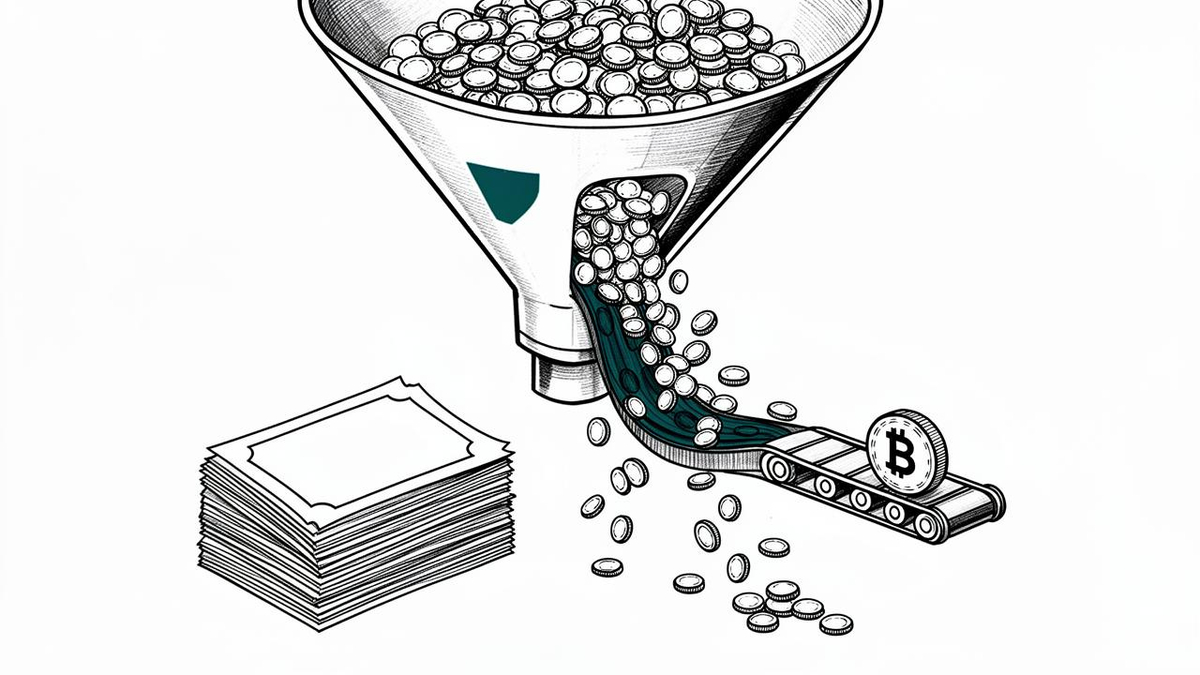
It said these changes do not mean Bitcoin has failed. Bitcoin has not become an everyday payment method for buying coffee, but it has broadened its role as infrastructure for transferring value across borders and settling multiple digital assets, the analysis said. It is used as a store of value and also functions as a network used by other digital assets such as stablecoins.
The size of on-chain settlement was also presented as an indicator of this shift. Bitcoin Magazine said the amount settled on the Bitcoin network from the first to the third quarter of 2026 was estimated at $1.6 trillion to $4.1 trillion, depending on the counting method. It compared that with PayPal's annual payment volume of $1.79 trillion in 2025 and said Bitcoin plays a role beyond being simply a small-value payment method. Under a strict standard, Bitcoin's average transaction amount was about $10,000, far higher than PayPal's average payment of about $70.
The outlet said it does not see Bitcoin's future as repeating the kind of radical experiments seen in the past. It said the next tasks are to build payment and settlement networks that can use Bitcoin and stablecoins together, integrate Bitcoin into mainstream fintech applications and develop new financial services based on the Bitcoin network.
Ultimately, calling Bitcoin "boring" is closer to a diagnosis that the technology has matured than a sign that interest has disappeared. When a technology becomes infrastructure people use in daily life without giving it special thought, like electricity, its value grows, the analysis said. It said Bitcoin is evolving beyond a controversial experiment into value-transfer infrastructure that operates quietly in the global financial system.