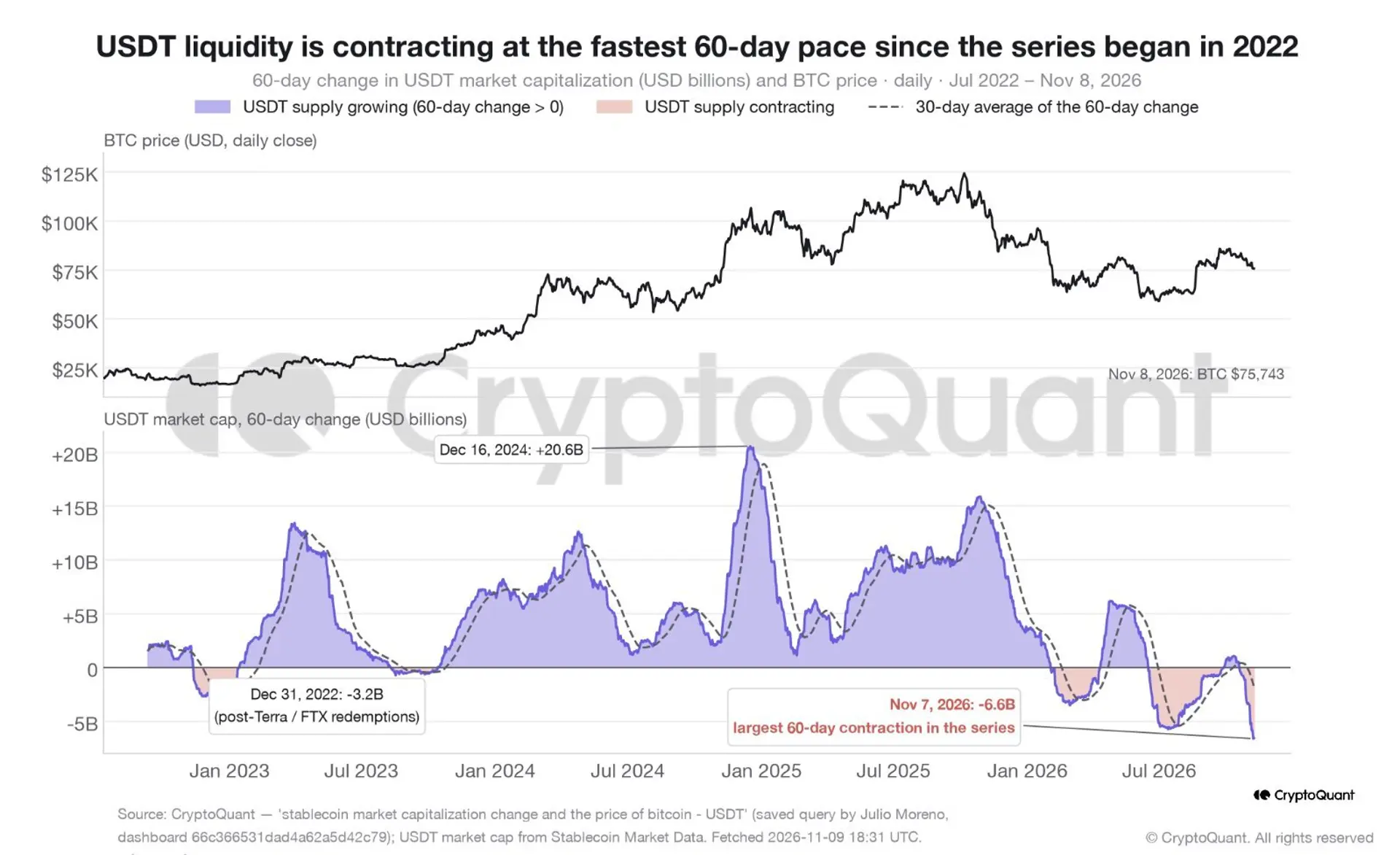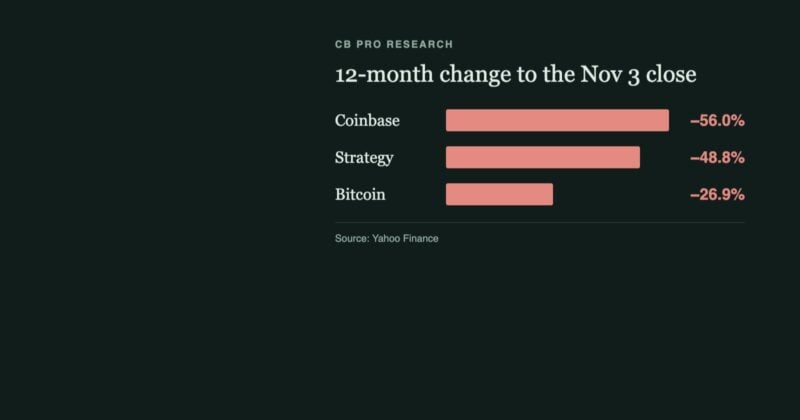
Bitcoin investors are facing turbulent times as a series of setbacks have unfolded, yet the leading cryptocurrency has remained surprisingly resilient. As of now, Bitcoin trades near $75,000, reflecting a modest decline of just about 1% over the past 24 hours. John LaForge, chief alternatives strategist at Ned Davis Research, expressed that the cryptocurrency’s ability to maintain its position within the $75,000 to $80,000 range is a sign of stability amid chaos. “It could have gotten hit a lot harder,” he noted, characterizing the current situation as a mild positive.
The latest downturn for Bitcoin coincided with unsettling news surrounding Nvidia CEO Jensen Huang, whose personal revelations sparked a corporate investigation into potential espionage by Chinese intelligence. This follows a backdrop of adverse developments for the cryptocurrency sector, including a significant political shift in Congress that saw a Democratic takeover, adversely impacting candidates who backed crypto initiatives. Additionally, a massive hack draining approximately $6.3 billion from Binance, the largest centralized crypto exchange, has cast further shadows over the industry.
Compounding these issues are broader economic pressures impacting the technology sector, particularly the Nasdaq, which experienced a drop of over 5% last week due to fears of a broader selloff in AI stocks. Investors are also bracing for an inflation report expected to show rising consumer prices, alongside growing apprehension about a potential interest rate hike by the Federal Reserve in December—both of which pose additional challenges for the crypto markets.
Historically, Bitcoin has endured more severe selloffs. For instance, in October 2025, President Donald Trump’s threats of steep tariffs on Chinese imports led to crypto liquidations exceeding $19 billion in just one day. Earlier this year, Bitcoin sank below $60,000, marking its lowest value of 2026 amid sustained high interest rates and heavy outflows from Bitcoin exchange-traded funds.
Experts suggest that Bitcoin’s current resilience may stem from the substantial declines it has already experienced and not necessarily from the latest adverse news. Ish Asad, a crypto research analyst at asset management firm Bitwise, indicated that much of the negativity might have already been absorbed into the market. “I think a lot of the bad news was priced in already. It’s not to say that it’s not going to chop sideways for a little bit longer, but I think the bottom is clearly in,” he remarked, referring to Bitcoin’s low point in June.
Furthermore, Asad noted that an earlier shift from crypto investments into AI-related assets may have decreased the number of investors willing to sell their Bitcoin, thus cushioning its response to the recent upheaval. However, this resilience has not extended to altcoins, which are cryptocurrencies other than Bitcoin. Ether, the second-largest cryptocurrency and the native token of the Ethereum blockchain, has seen a decline of nearly 5% in the past day. XRP, associated with Ripple, has similarly recorded losses, down nearly 12% over the past week, alongside other major cryptocurrencies.
In summary, despite facing significant challenges and setbacks, Bitcoin’s performance suggests a level of stability, while altcoins struggle to maintain their footing in a rapidly changing environment. The coming weeks will likely shed light on whether this resilience can sustain amidst ongoing economic concerns and a shifting political landscape.