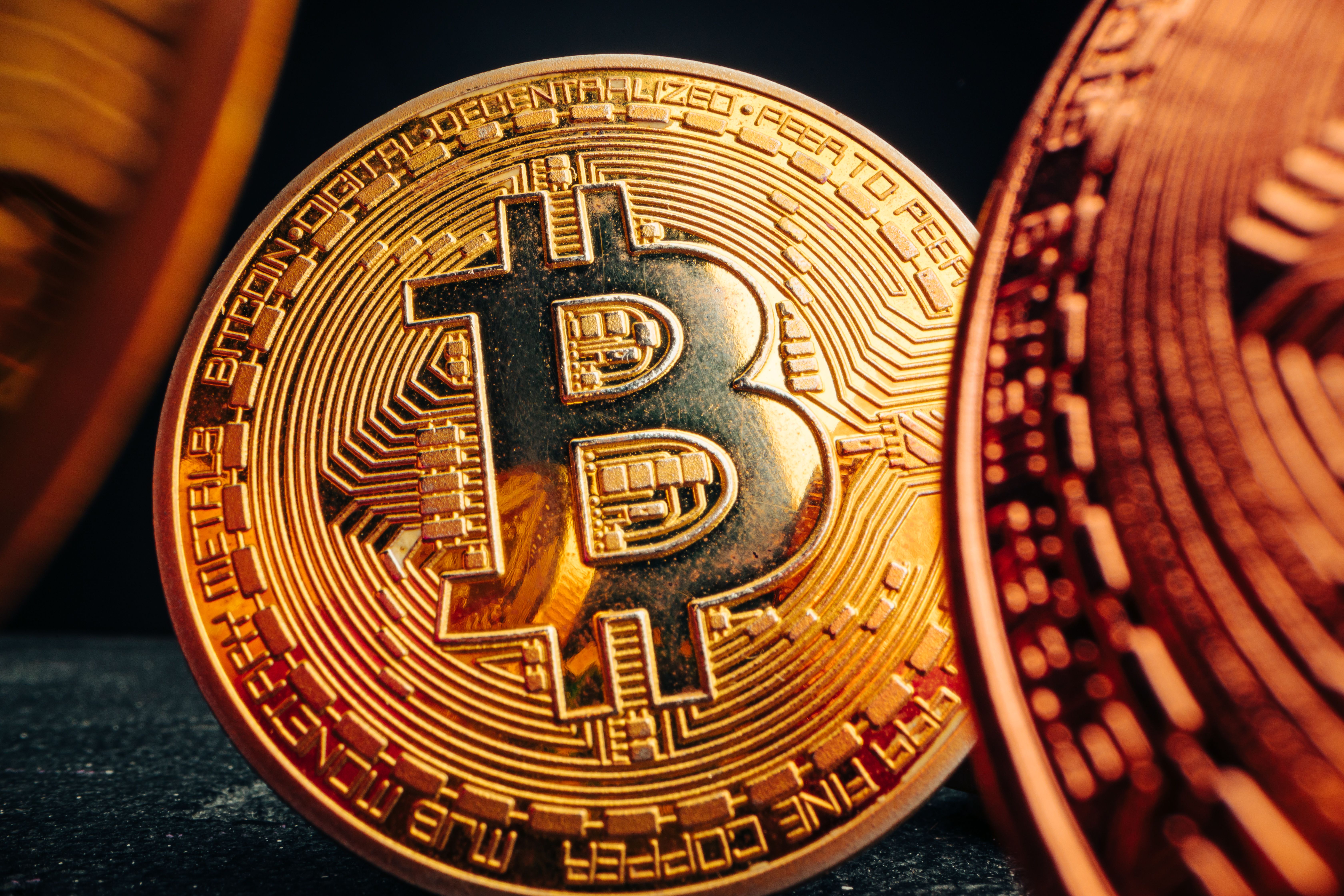
Quantum sensing can deliver practical value now, without requiring large, error-corrected machines. Research from Kris Naudts, Zeynep Koruturk, and Donald Harmitt explores this rapidly maturing technology and its move from testing into real-world applications, including early benefits in subsurface exploration, Bitcoin says. Their work suggests quantum sensing could improve mining operations by locating resources more effectively, and positions the technology as a nearer-term quantum application with implications for infrastructure monitoring, secure navigation and cryptocurrency.
Quantum sensing offers a path to enhanced navigation independent of satellite signals, demonstrated through increasingly precise measurements of motion and gravity. Kris Naudts and Donald Harmitt have found early adoption of quantum sensing is also being shaped by demand from supply chains and government entities seeking resilient timing and positioning systems. The researchers note that Bitcoin is surprisingly more vulnerable to quantum attacks than general web encryption, a counterintuitive claim given the focus on securing broader internet communications.
The team reports that “quantum sensing uses quantum effects to measure time, motion, gravity and magnetic fields with extraordinary precision,” highlighting the core principle driving these advancements. These developments suggest quantum sensing is maturing beyond laboratory tests, with a focus now shifting to practical considerations of size, cost and durability for real-world deployment.
Source: https://firgun.vc/insight-categories/sensing
See today’s quantum computing news on Quantum Zeitgeist for the latest breakthroughs in qubits, hardware, algorithms, and industry deals.
Dr. Donovan is a futurist and technology writer covering the quantum revolution. Where classical computers manipulate bits that are either on or off, quantum machines exploit superposition and entanglement to process information in ways that classical physics cannot. Dr. Donovan tracks the full quantum landscape: fault-tolerant computing, photonic and superconducting architectures, post-quantum cryptography, and the geopolitical race between nations and corporations to achieve quantum advantage. The decisions being made now, in research labs and government offices around the world, will determine who controls the most powerful computers ever built.