The Crypto Desk desk. Editor: Sam Daodu.
This post may contain links from our sponsors and affiliates, and Flywheel Publishing may receive compensation for actions taken through them.
Bitcoin miners now earn about a third of their revenue from hosting Artificial Intelligence (AI) customers, and that share could reach half by the end of 2026. Alexandre Schmidt, an equity index manager at CoinShares, made that estimate in a commentary on November 9. Despite this shift, miners continue to sell their Bitcoin. For instance, MARA Holdings (NASDAQ:MARA | MARA Price Prediction) sold 13,597 Bitcoin (CRYPTO:BTC) after September 30, according to its most recent shareholder letter.
Bitcoin currently trades at $73,227, down 12% over 30 days and 2% below its 30-day low of $74,740 from November 8. So does AI revenue lead miners to hold onto their Bitcoin, or does the AI build-out push them to sell more?
CoinShares Says AI Hosting Is Now About a Third of Miner Revenue

CoinShares tracks how much listed miners earn by renting out their power and data centers to AI and High-Performance Computing (HPC) clients. HPC refers to large-scale computing tasks, like training AI models. Investors usually believe stable lease payments can cover power costs, so miners might not need to sell newly mined coins, which would reduce market supply.
However, Schmidt sees AI pulling the other way for now. “The recent sell-off in Bitcoin miners was driven less by Bitcoin than by AI,” he wrote about miner stocks. That aligns with recent market behavior, as some mining stocks have rallied even as Bitcoin fell below $75,000.
HIVE Digital Technologies (NASDAQ:HIVE) shows how fast the shift is happening. Its HPC revenue surged 70.7% to $8.8 million in its fiscal second quarter. In August, HIVE’s chief executive described the company’s split as “10% AI and 90% Bitcoin mining,” heading toward 40% AI and 60% mining.
Miner Filings Show Bitcoin Sales Are Paying for the AI Build-Out

Financial statements from several miners show Bitcoin sales are financing their expansion into AI. Bitdeer Technologies (NASDAQ:BTDR) mined 3,855 BTC in the third quarter, a considerable increase from 1,109 BTC a year earlier. However, the company held only 47 BTC, about $3.4 million, at the end of September, a significant drop from the 2,029 BTC it held a year prior.
Bitdeer reported a net loss of $125.5 million on $320.7 million in revenue while building an AI Cloud backlog worth about $2.9 billion. A backlog is contracted work that hasn’t been billed yet, so expenses come before income. The construction push is also drawing in power and cooling suppliers, and a free report covers seven AI infrastructure names that aren’t chipmakers.
Similarly, Hyperscale Data (AMEX:GPUS) sold its remaining 212 BTC at around $76,000 each for approximately $16 million, using the funds for debt repayment and a new AI data center in Michigan. MARA also sold Bitcoin to clear $750 million in Bitcoin-backed loans. Other major miners have sold most of their stacks or disclosed large sales.
On-chain miner trackers miss part of this activity. They track coins leaving a miner’s wallet, but most trades happen on exchange order books and over-the-counter desks and never reach the blockchain. So a quiet blockchain could mean buyers are absorbing miner coins out of public view, or that trading volume is muted.
A Difficulty Drop and a Few Holders Could Slow the Selling
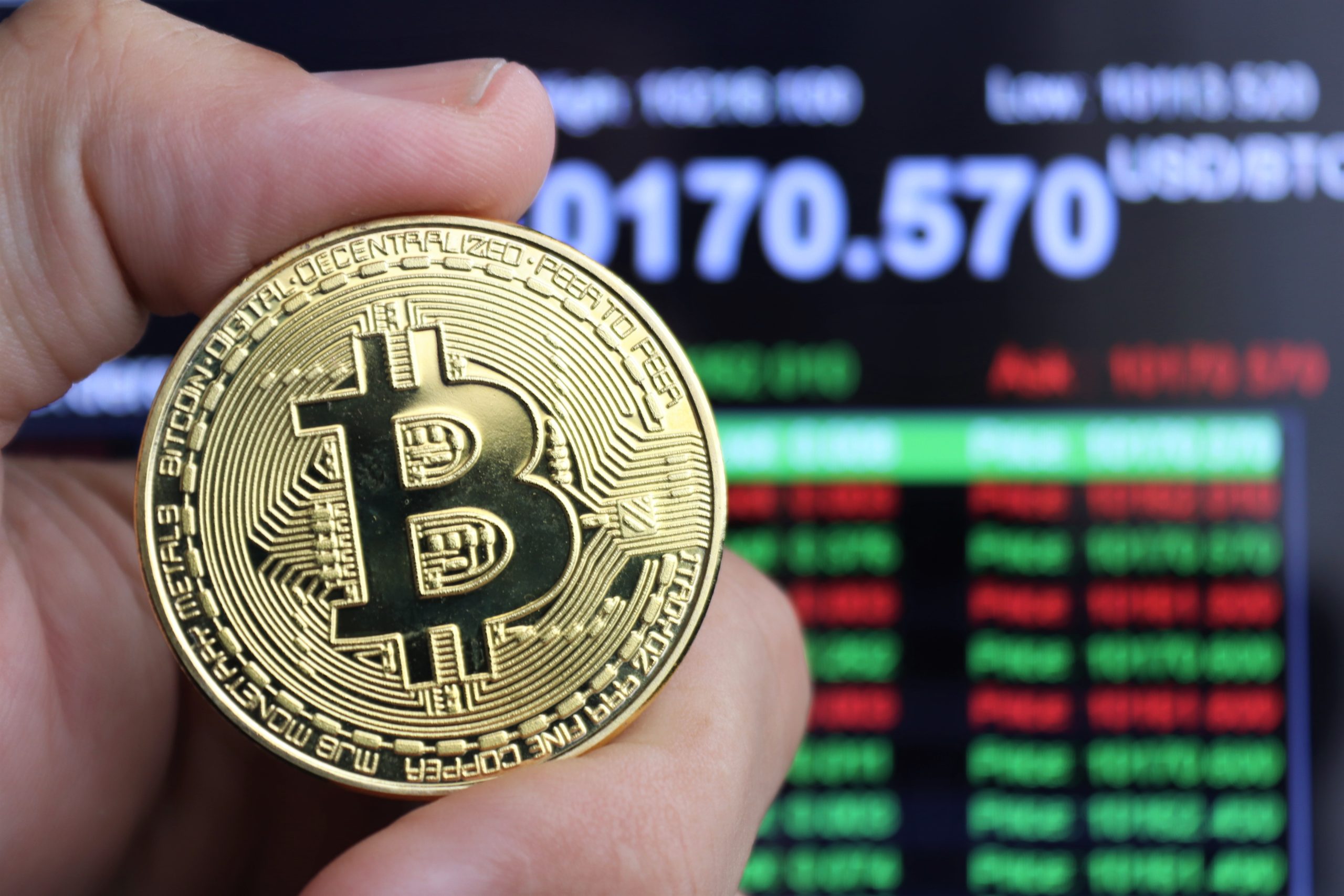
A few miners have held on longer. MARA still held 34,012 Bitcoin at the end of September, before selling 13,597 coins, and its CFO has said, “Bitcoin is a strategic asset for us, and we’re utilizing it methodically.” CleanSpark (NASDAQ:CLSK) has financed its data center build through bond debt and sold almost no Bitcoin in September. However, it has stopped providing monthly updates, so outsiders now see its treasury only once a quarter.
The economics of mining may also improve soon. Mining difficulty sets how hard it is to mine a block, and mempool.space estimates a drop of about 7.1% at the next adjustment, deeper than the 6.4% drop expected on November 9. A drop means some machines have switched off, which would let the remaining miners earn more coins per machine while Bitcoin trades below its estimated $78,000 production cost.
Will Bitcoin Miners Keep Selling Their Bitcoin?
Yes, Bitcoin miners look set to continue selling their Bitcoin in the coming quarters. The need for cash to build AI data centers arises before tenants begin paying rent, making Bitcoin sales the simplest source of financing. Bitdeer’s 47 BTC stack shows the trend most plainly. A bigger AI revenue share mostly changes what miners spend their coins on, not whether they sell them.
This view could change if upcoming quarterly filings from MARA and Bitdeer show Bitcoin holdings rising instead of falling. Also, if Bitcoin rebounds above its 50-day average of $81,641, about 11% higher and close to MARA’s $81,039 sale price, miners would earn more per coin and may feel less urgency to sell.
Contact [email protected] for any questions or corrections.
Sam Daodu is a crypto analyst and the editor of 24/7 Wall St.'s Crypto Desk, where he covers Bitcoin, XRP, Ethereum, Solana and the altcoins investors search for most. His work focuses on price levels, spot ETF flows, on-chain data and the regulatory decisions that move crypto markets, written so a first-time buyer and a seasoned trader can both use it.
Sam has written about crypto professionally since 2019 and has published more than 2,000 articles. Before joining 24/7 Wall St., he wrote for crypto media outlets and Web3 companies and ghostwrote for crypto founders and token launches. His analysis is syndicated on Yahoo Finance, MSN and AOL and has been cited by other crypto news sites. He also founded MacLabs Marketing, a content and personal branding agency for crypto founders and executives.
When he isn't reading charts, Sam is usually at the gym or watching One Piece, a series he maintains has better tokenomics than most altcoins.