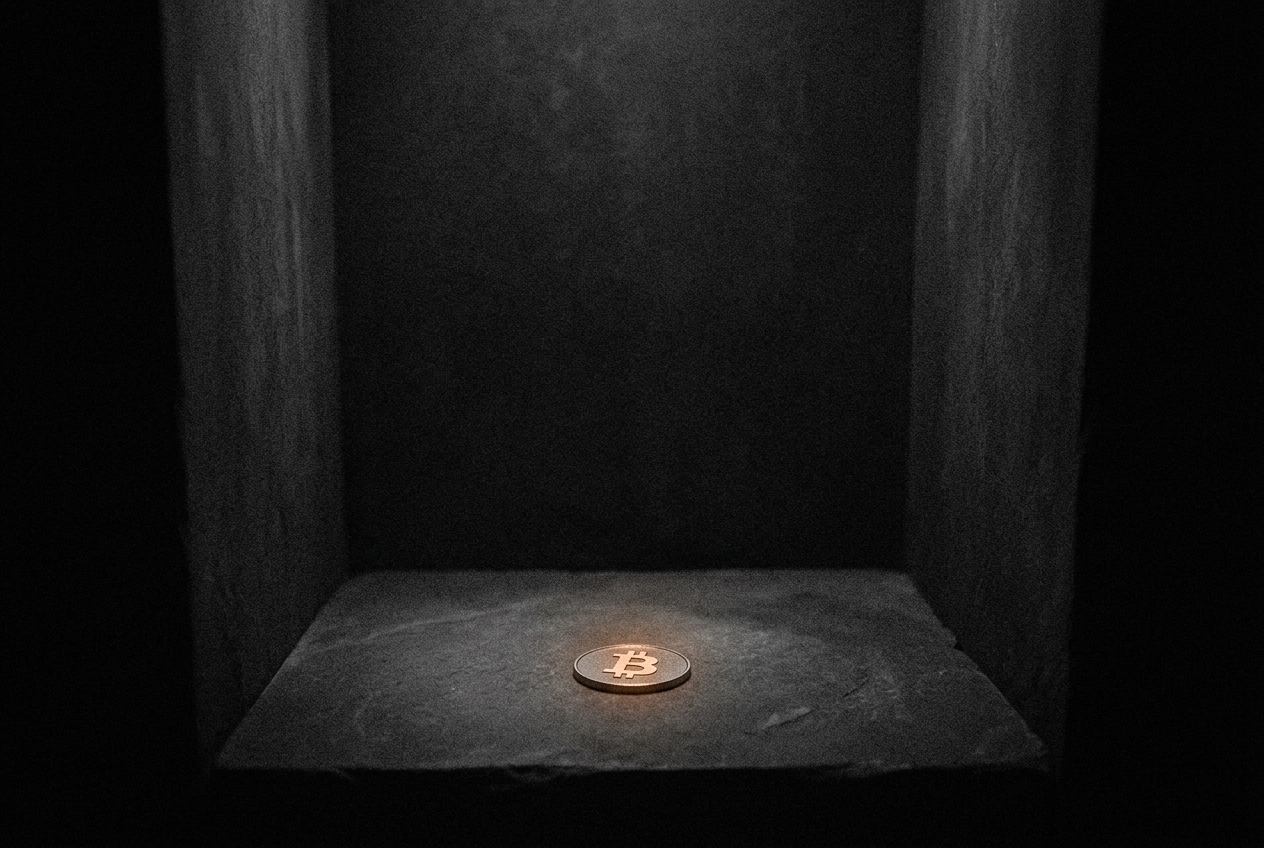
The downward trend continues as Bitcoin has faced significant pressure recently, with the cyberattack on Binance, the world's largest cryptocurrency exchange, in late October 2026 disrupting the digital asset market.
The price of Bitcoin has fallen to its lowest level in over two years, amid a mass withdrawal of speculative assets by investors across the global market.
During trading on November 20th, Bitcoin briefly dropped 6.1% to $57,716, its lowest level since September 2024. Compared to its peak of over $126,000 set in October 2025, the cryptocurrency has lost more than 50% of its value and is now lower than when Donald Trump returned to the White House.
The downward trend continues as Bitcoin has been under considerable pressure in recent weeks. The cyberattack on Binance, the world's largest cryptocurrency exchange, in late October 2026 disrupted the digital asset market. A week later, the overwhelming victory of the Democratic Party in the US midterm elections raised concerns that efforts to promote more favorable regulations for the cryptocurrency industry had lost momentum.
Furthermore, the strengthening US dollar, coupled with increased expectations of further interest rate hikes by the Federal Reserve, is adding further pressure. Recent downward pressure also stems from investors withdrawing capital from Bitcoin exchange-traded funds (ETFs) amid a reversal in investment trends in artificial intelligence ( AI ). Since the beginning of the year, Bitcoin ETFs have recorded outflows exceeding $3 billion.
Andy Baehr, managing director of asset management at GSR, said the overall market has shifted to a state of clear distrust and investors are scaling back risk, while Bitcoin typically weakens in a delevering environment.
Meanwhile, Fabian Dori, investment director at Sygnum Bank, noted that the market's assumption of a more aggressive Federal Reserve interest rate hike and a slowdown in AI infrastructure expansion is creating excessive negativity at the moment.
This downturn is occurring at what should ideally be a favorable period for the cryptocurrency industry. Under the Trump administration, the sector had achieved many of its goals over nearly a decade, from White House support and more open regulators to acceptance by financial institutions and a legal framework that increasingly recognized digital assets as a permanent part of the financial system. However, instead of generating a new wave of demand, the market experienced one of its deepest declines in years.
Unlike previous downturns, which were associated with major crashes or forced sell-offs, the current downward trend reflects a more steady decline in demand.
Bitcoin continues to decline in price even amidst rising inflation concerns, failing to fulfill its role as a hedge against risk, while investors turn to traditional safe-haven assets when geopolitical instability occurs.