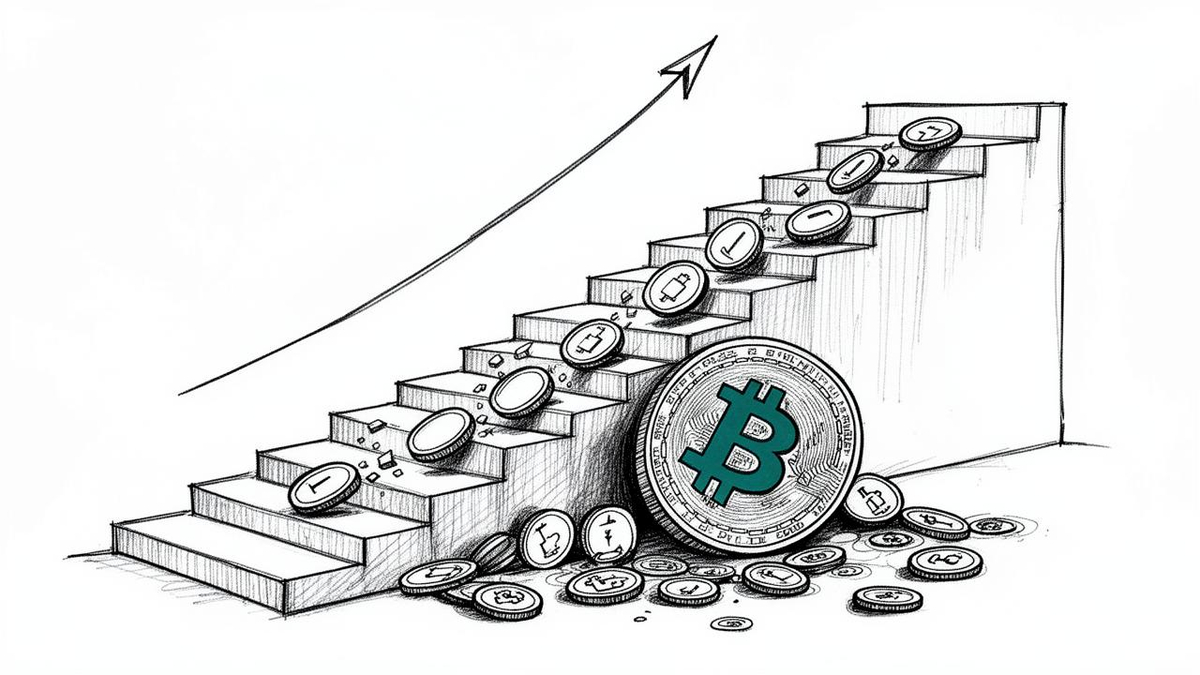
Bitcoin tumbled to $55,150 early Saturday, its weakest level since September 2024, before recovering to $57,924 by 10:00 UTC, according to CoinMarketCap data. The bounce did little to repair the damage: the largest cryptocurrency is still down 6% on the day and 14% on the week, and it has shed more than 30% since closing above $80,000 on November 4.
The pain is broad. Ether traded at $1,636, down 6.3% in 24 hours and 14.4% over seven days, while XRP fetched $0.89 and Solana changed hands at $67.97. BNB slid 8% on the day. The total crypto market capitalization has contracted to $1.99 trillion, and the Fear and Greed Index sits at 7, deep in extreme fear territory.
There is no single culprit. Monetary policy, a violent rotation out of artificial intelligence stocks, persistent ETF redemptions and a cascade of forced selling are reinforcing one another, turning what began as a correction into something closer to a stampede.
The Fed and the yen carry trade
The heaviest weight is the prospect of tighter money. October consumer prices rose 0.4% on the month, faster than forecast, and Fed Governor Christopher Waller has argued for a half-point hike in December, warning that a smaller move would jeopardize the central bank's credibility. By mid-November, the CME FedWatch tool priced a December increase as a near certainty ahead of the December 9 decision.
Higher rates lift the appeal of cash and bonds while draining liquidity from speculative assets. The last time the Fed tightened aggressively, in 2022, bitcoin lost roughly 60%. Pressure is also building from Tokyo: with the yen near 159.6 per dollar, markets anticipate a Bank of Japan hike in December, threatening the cheap-yen funding that underpins many leveraged positions.
Tech contagion and ETF outflows
Wall Street has amplified the move. The Nasdaq fell 5.5% on November 5, its worst session since April 2025, as doubts about returns on AI infrastructure rippled through chip stocks. The selling never fully abated. By Friday the Nasdaq had erased its entire 2026 advance, Nvidia had sunk to $135, its lowest since May 2025, and the Dow had dropped 1,000 points in a session that pushed the VIX to 28.
In phases like this, bitcoin trades like a high-beta technology stock rather than a haven. When funds cut risk, crypto is often the first asset sold because it trades around the clock, including on Saturday mornings when equity markets are closed.
The spot ETFs that powered much of the past two years' buying have flipped into sellers. Another $152.7 million in net outflows hit the funds in the latest session, extending weeks of redemptions. Ether ETFs continue to bleed, Solana ETFs shed $122.7 million over 30 days, and assets in US spot XRP ETFs have slipped below $1 billion to about $990 million. ETF flows are the cleanest window into institutional positioning, and while they remain negative, every rally meets fresh supply.
Leverage turns a slide into a crash
The liquidation figures explain the velocity of the decline. When bitcoin lost $60,000 on Friday evening, $553 million was liquidated in a single hour. Over 24 hours, forced closures across the market reached $2.64 billion, with $2.38 billion, or 90%, coming from long positions betting on higher prices. Open interest still stands at roughly $318 billion, leaving ample leverage to be flushed out.
Each forced sale pushes the price into the next cluster of stop-losses and liquidation levels, which triggers another wave of selling.
Note: Prices and changes as of 10:00 UTC on November 21, 2026.
Strategy's stack and a record hack
Looming over sentiment is Strategy, the largest corporate holder. The company owns 850,849 bitcoin at an average cost of $75,452. At $57,924, that stack is worth about $49.3 billion, roughly 23% below cost, an unrealized loss of around $14.9 billion. Its mNAV has fallen below 1, meaning the stock is worth less than the bitcoin it holds, and MSCI is removing it from its indexes, forcing passive funds to sell MSTR shares. Strategy has not sold any bitcoin, but the market is pricing the risk that the biggest corporate buyer could eventually become a seller.
Security concerns linger as well. The $6.34 billion theft from Binance on October 29 is the largest crypto hack on record. Binance says about $2.85 billion was frozen or intercepted and that 98% of affected assets were replenished by October 31, while the FBI attributes the attack to North Korea. Customers were made whole, but smaller incidents since then, from Lighter's $10.4 million drain to a data breach at a Trezor shipping partner, have kept security at the top of the worry list.
Supply is rising just as demand fades. A Leipzig court has floated handing over 40,000 bitcoin from the Movie2k case, worth about $2.3 billion at current prices, and traders fear the coins could reach the market. On-chain data shows whales and miners distributing about 48,600 BTC over the past two weeks.
What to watch
The chart has turned decisively bearish. Bitcoin broke the $60,000 floor of its range and briefly lost the July low at $57,700. As long as it trades below $60,000, that level acts as resistance. The next support is Saturday's low at $55,150; below that, Wintermute has flagged the $50,000s as the zone that will determine the larger trend.
Extreme fear readings like today's 7 have often appeared near local lows, but they are not a buy signal on their own. The dates that matter are the MSCI index change at the end of November, the Fed decision on December 9 and the Bank of Japan meeting later in December. Until rates and technology stocks calm down, rallies are likely to be sold.
Once added, BigGo Finance appears first in Google Search Top Stories, so you get the broadest, most up-to-the-minute, and most comprehensive global financial news first.