Home » News » Crypto News
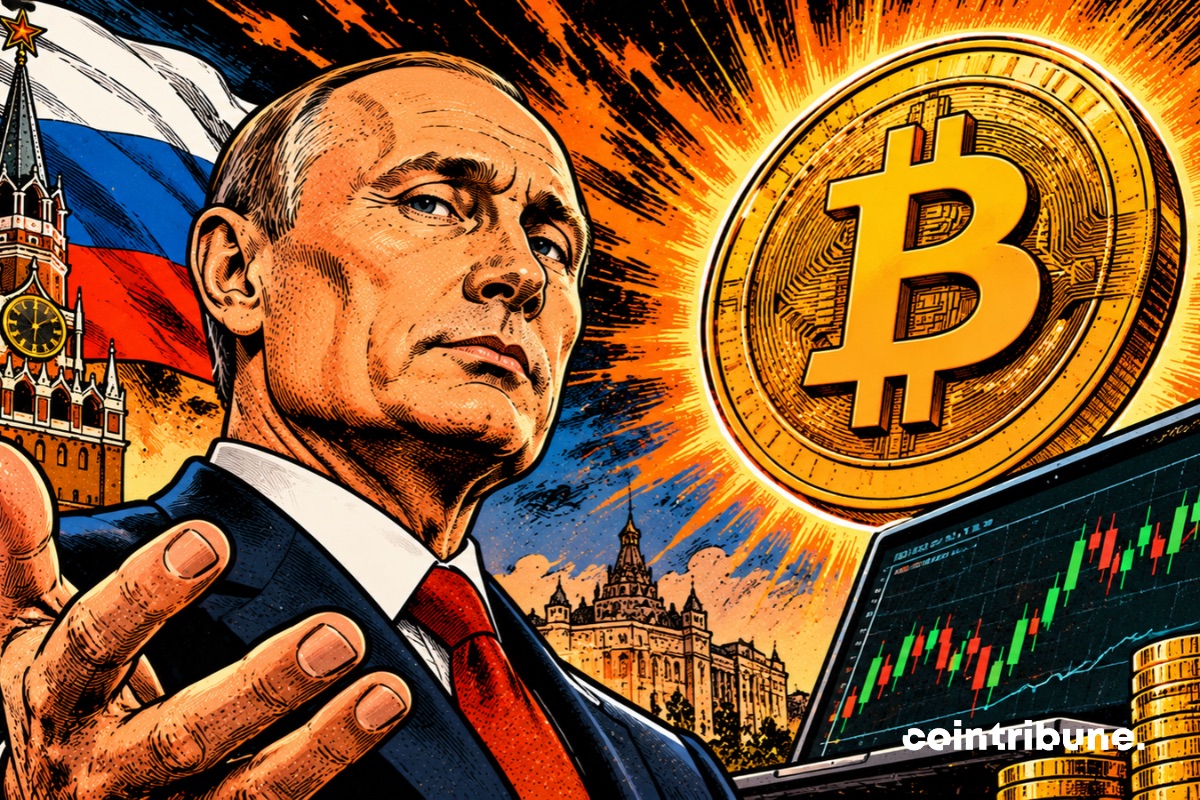
The Central Bank of Russia officializes access to Bitcoin trading for individuals starting November 22, 2026. At the same time, traditional finance giants accelerate their adoption, like Deutsche Bank which launches its BTC custody service. From Moscow to Frankfurt, the crypto queen now takes center stage in the global economy.
In brief
- From November 22, 2026, Russian residents will be able to legally buy and sell Bitcoin (BTC), Ethereum (ETH) and Tether (USDT) via licensed exchanges and brokers.
- Signed by chairwoman Elvira Nabiullina, Ordinance No. 7441-U limits unqualified investors’ purchases to 300,000 rubles per year after a mandatory risk test.
- Deutsche Bank officially launches its Bitcoin custody service for its clients, cementing its integration into banking finance.
Bitcoin Trading in Russia: What is it, who is Concerned, and When?
Starting November 22, 2026, bitcoin trading becomes officially legal and regulated for the general public within Russian territory. Registered with the Ministry of Justice under No. 88991, Ordinance No. 7441-U from the Central Bank of Russia comes into effect on November 17 and permits the first transactions from November 22.
This measure is aimed directly at resident individual (non-qualified) investors who until now were confined to a regulatory gray area. From now on, they will be able to legally acquire bitcoin from brokers, national exchanges (such as the Moscow Exchange) and banks registered with the central bank. To proceed, each investor will have to pass a mandatory risk assessment test to verify their knowledge of the crypto market.
The Official Recognition of Bitcoin in Russia
The official text of the Central Bank of Russia’s Ordinance No. 7441-U signed by chairwoman Elvira Nabiullina sets a very limited list of assets authorized for individuals, placing Bitcoin at the top of priorities:
The list of digital currencies that the transaction organizer is authorized to admit to public circulation includes: Bitcoin (BTC, XBT) […], Ether (Ethereum Ether, ETH) […], as well as the foreign digital instrument USD Tether (USDT).
The list of digital currencies that the transaction organizer is authorized to admit to public circulation includes: Bitcoin (BTC, XBT) […], Ether (Ethereum Ether, ETH) […], as well as the foreign digital instrument USD Tether (USDT).
By formally integrating Bitcoin (BTC) and USDT into its legal financial arsenal, Moscow seeks to channel popular demand while offering a regulated digital alternative to international banking sanctions.
Giant Banks Scramble for BTC
The Russian acceleration is part of a global movement where traditional finance no longer seeks to fight bitcoin, but to integrate it. In Germany, Deutsche Bank, a banking giant with 2.2 trillion dollars in assets, has just reached a historic milestone by officially launching its institutional Bitcoin custody service (BTC Custody) for institutional and corporate clients.
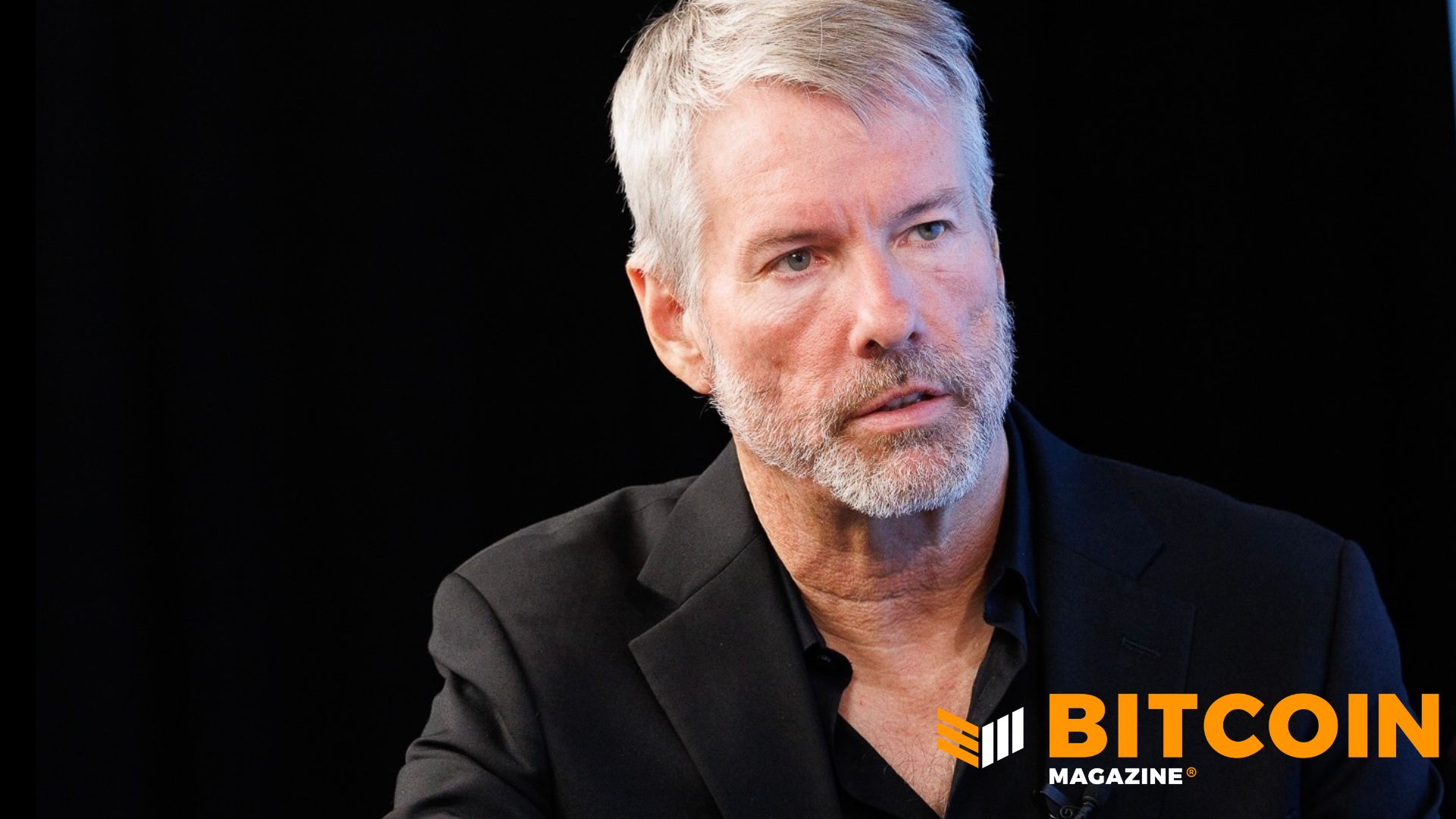
All this confirms the long-term vision carried by major figures like Michael Saylor, who recently reminded that bitcoin has been preparing its monetary domination for several centuries. Banks no longer just observe the phenomenon; they become the official safes of the network. By holding millions of bitcoins for their clients, financial giants prove that BTC has passed the stage of a speculative asset to become the infrastructure of tomorrow’s financial system.
Between the legalization of bitcoin trading in Russia on November 22 and the launch of asset custody by Deutsche Bank, BTC confirms its trajectory of global adoption. Caught between state regulation and banking adoption, the king asset solidifies its status as an essential element of the global monetary landscape. Do you think this legalization will encourage other powers to take the leap?
Maximize your Cointribune experience with our "Read to Earn" program! For every article you read, earn points and access exclusive rewards. Sign up now and start earning benefits.
The world is evolving and adaptation is the best weapon to survive in this undulating universe. Originally a crypto community manager, I am interested in anything that is directly or indirectly related to blockchain and its derivatives. To share my experience and promote a field that I am passionate about, nothing is better than writing informative and relaxed articles.
The views, thoughts, and opinions expressed in this article belong solely to the author, and should not be taken as investment advice. Do your own research before taking any investment decisions.