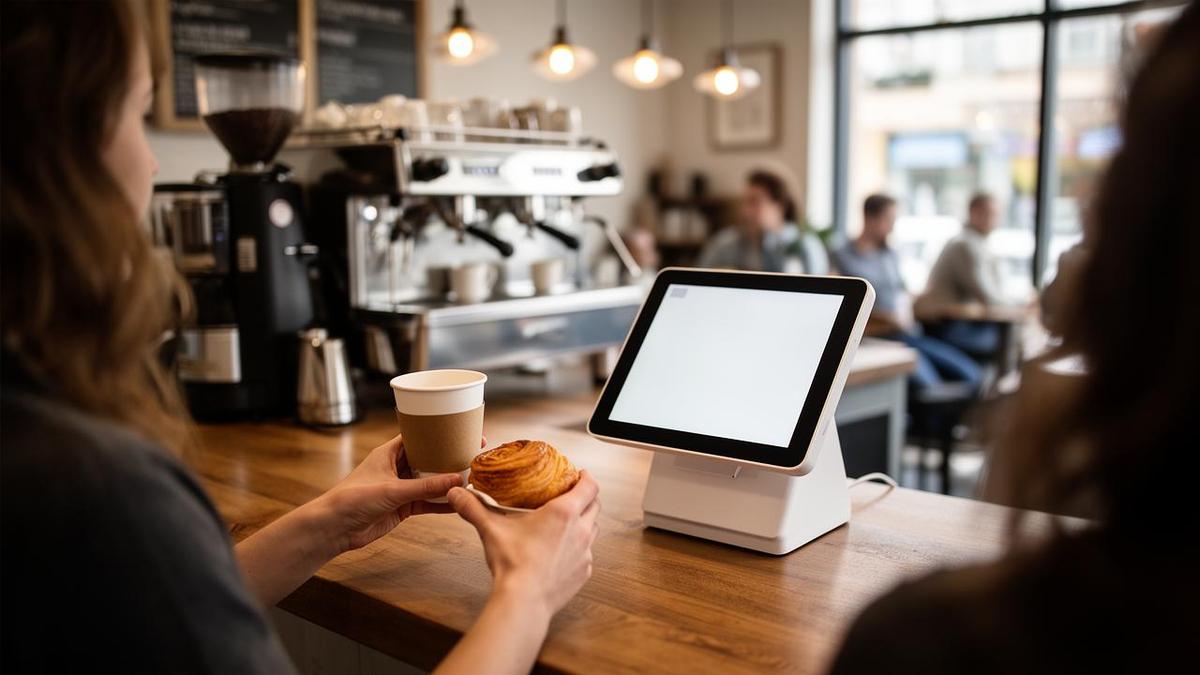
Block Inc. reported that the typical Bitcoin transaction processed through its Square point-of-sale network in the U.S. was a modest purchase at a food or drink merchant, with a median value of roughly $13 and an average of about $29, according to a company report released Nov. 19.
The study, titled "The State of Bitcoin Payments," examined completed Bitcoin payments at U.S. Square sellers between Nov. 1, 2025, and Oct. 15, 2026. Block excluded known test transactions, payments at its own sellers, and any payment of $1 or less.
Food and drink businesses accounted for 72.3% of Bitcoin payments, compared with 67.5% of Square card payments over the same period. Coffee shops and fast-food establishments alone drew 62.6% of Bitcoin payments within that category, with a median transaction of $9.10. Retail made up 10.2% of Bitcoin transactions versus 11.6% of card transactions.
The size distribution skews heavily toward small tickets. Payments below $20 represented 65.1% of transactions but only 19.1% of the dollars spent, while 89% of payments fell below $50 yet accounted for just 43.4% of total value. Block said 98.1% of the payments it studied were below $200 by purchase value. Larger tickets clustered in services: home repair averaged about $104 and professional services about $97, compared with roughly $44 at retailers and $60.73 at grocery stores, the highest average in the food category.
Block matched Square transactions against Cash App's Lightning payment records to track repeat business. Among customer-merchant pairs with at least two Bitcoin payments, the median gap between purchases was three days. Same-day repeats made up 15.8% of intervals, and another 44.3% fell between one and seven days. Overall, 44% of Bitcoin payments by Cash App customers were repeat payments, and 86% of those came within 30 days of the prior purchase at the same merchant.
Wallets outside Cash App, including Strike, Phoenix, Wallet of Satoshi and Coinbase, accounted for 56.6% of all Bitcoin transactions in the study and 66% of payment value, indicating that the network is drawing users beyond Block's own ecosystem.
"Much of the hesitation around bitcoin comes from not seeing it used in real life," Miles Suter, Bitcoin lead at Block, said in the release.
Square sellers can choose to receive proceeds in Bitcoin, dollars, or a mix of the two, with Square handling conversion for the dollar portion. The company said it has extended zero-fee Bitcoin payment processing for Square sellers through Dec. 31, 2027. Square began onboarding sellers in July 2025, and by May 2026 roughly one million U.S. merchants had been enabled to accept Bitcoin, according to crypto.news. Block kept the total payment count, the number of sellers that received Bitcoin payments, and gross dollar volume private.
A Tax Calculation on Every Cup of Coffee
The report lands in the middle of a policy debate over how digital-asset spending is taxed. Under current federal rules, the IRS treats spending Bitcoin held as a capital asset as a disposal, generally requiring consumers to compute a gain or loss even on routine purchases. A customer buying a $13 meal with Bitcoin that originally cost $10 would typically face a $3 capital gain before transaction costs, reported in dollars under federal reporting rules.
Block commissioned a Morning Consult survey of 8,669 U.S. adults familiar with Bitcoin in August. Among businesses that did not accept Bitcoin or were unsure whether they did, 23.6% cited tax and accounting complexity as a barrier; the share rose to 27% among those that had considered accepting it but had not yet done so.
"Bitcoin has dual utility, as an investment and as a method of payment, both of which should be recognized in policymaking," the company said, pointing to a de minimis exemption for small gains as one approach under discussion.
Sen. Cynthia Lummis proposed a small-transaction exemption in July 2025 that would set a $300 threshold for both the transaction value and the gain, with a $5,000 annual cap. Related transactions would be counted together. Block's payment figures do not show what customers originally paid for their Bitcoin, which would be needed to determine whether an individual purchase would qualify.
Note: Card comparison covers all card brands and includes in-person and online payments.
What It Means for Merchants and Investors
The figures suggest Bitcoin's use as a medium of exchange remains concentrated in low-value, high-frequency purchases rather than large-ticket commerce. That pattern matters for payment processors and merchants weighing whether to add Bitcoin acceptance: the transaction flow is real but the dollar volume per ticket is small, and the accounting burden applies to each disposal regardless of size.
A de minimis exemption could remove a key friction. Block's survey found that 29.6% of respondents who did not own Bitcoin said they would be more likely to pay with it if doing so were easier, and 15.7% of that group said they were unsure how Bitcoin was taxed or regulated.
The report arrived during a difficult stretch for the asset. Bitcoin traded near $59,400 around 17:15 UTC on Friday, down about 14% over seven days, in a week that included a record outflow from BlackRock's Bitcoin fund, according to CoinMarketCap data.
Once added, BigGo Finance appears first in Google Search Top Stories, so you get the broadest, most up-to-the-minute, and most comprehensive global financial news first.