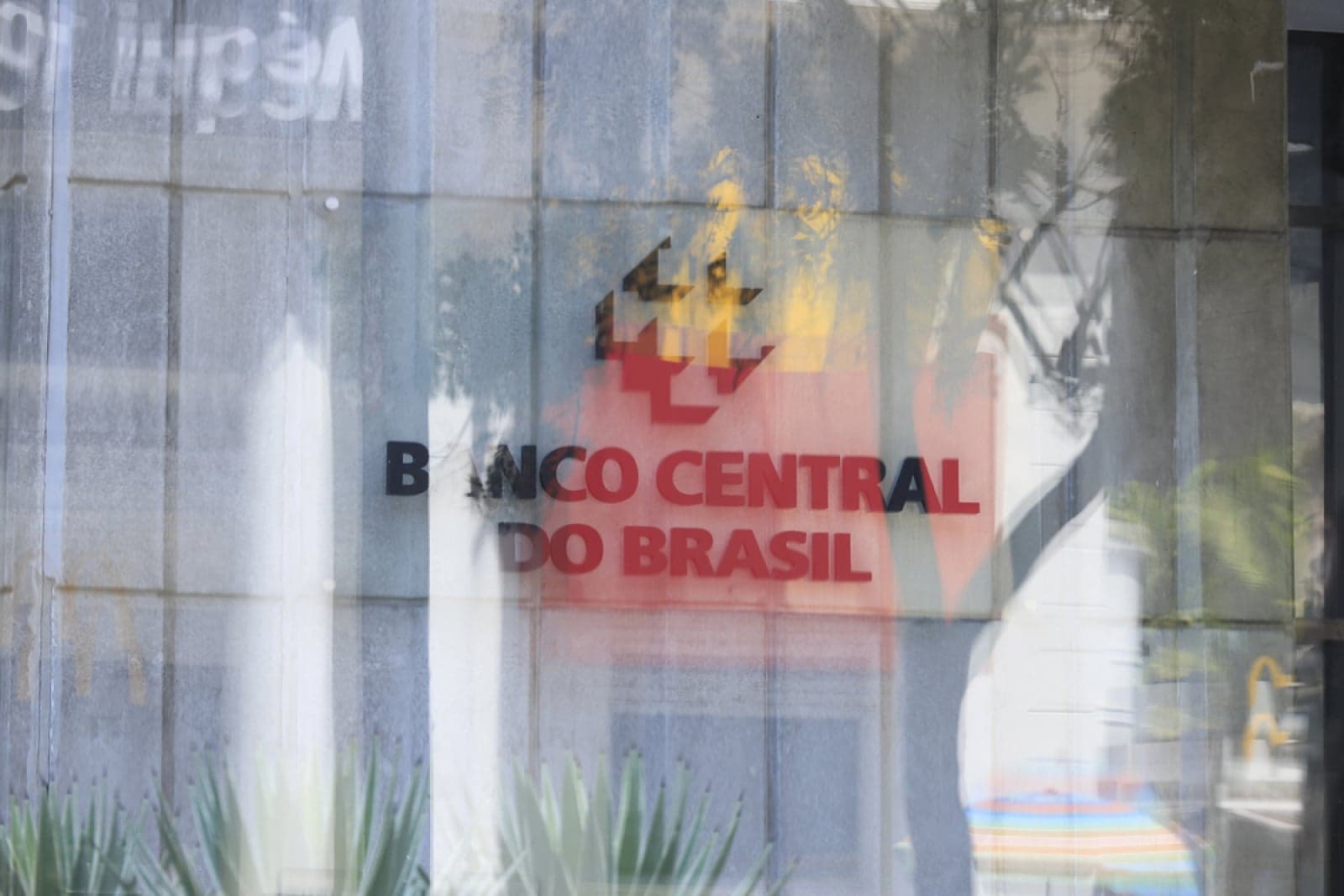
The head of the foreign exchange department at the Central Bank of Brazil has claimed that legitimately obtained money could be considered laundered if it’s used to purchase stablecoins.
The senior Brazilian official claimed that converting money into stablecoins could link it to money laundering, even when it was initially obtained legally.
According to a recent report, Gerson Romantini, who is the director of the foreign exchange department at the Central Bank of Brazil, allegedly made the controversial statements at a private event attended by representatives of financial companies.
Romantini claimed that funds acquired legally could be transformed once they enter the stablecoin ecosystem.
In his view, even legally obtained money could effectively be "dirtied" if used in certain stablecoin schemes, and thus be considered part of a money laundering operation.
It’s important to note that the comments attributed to Romantini do not represent an official statement that all conversions into stablecoins could be considered money laundering.
Brazil tightens reins on stablecoin remittances
This statement comes as Brazil has already moved to tighten restrictions on how cryptocurrencies are used for international payments.
On April 30, the Central Bank of Brazil published Resolution No. 561, which took effect on Oct. 1.
The resolution limits the use of virtual assets for the settlement of international payment and transfer services, also known as eFX.
In practice, this means that payments between an eFX provider and its foreign partner must be settled through traditional foreign exchange operations or a Brazilian real account opened by nonresidents.
Crypto payments for these particular settlements are off-limits.
A practice called the "stablecoin sandwich" is particularly concerning.
The way it works is that a Brazilian fintech accepts a certain amount of reais from a customer, then uses this money to purchase stablecoins like USDT or USDC and sends the funds in crypto to an offshore company.
This company, in turn, can convert these stablecoins into fiat currency to make payments or send money to families.
This allows users to make international money transfers for a lower fee and circumvent some of the infrastructure banks use.
Brazil’s crypto industry responds
The controversial statements have already received a response from Brazil’s crypto industry.
In a statement on Nov. 14, the Brazilian Association of Tokenization and Digital Assets (ABToken) questioned the alleged classification of stablecoin transactions as money laundering.
ABToken maintains that the use of stablecoins is not necessarily illegal.
Furthermore, the association also cautioned that sweeping bans may create legal confusion and hinder legitimate business activities that use stablecoins for international payments.