Cardano's token holders have voted down a request to pull 22 million ADA from the network treasury to buy and warehouse physical copper, ending a proposal that would have marked an unusual foray by a crypto community into real-world commodities.
The governance action expired Nov. 15 after delegated representatives, known as DReps, cast roughly 2.86 billion ADA against the plan versus about 20 million ADA in favor, according to on-chain records. Another 131.29 million ADA registered no-confidence. Measured by counted stake, support came to 0.51%, far below the 67% threshold required for a treasury withdrawal. None of the seven Constitutional Committee members approved the request either: three voted against its constitutionality and four abstained.
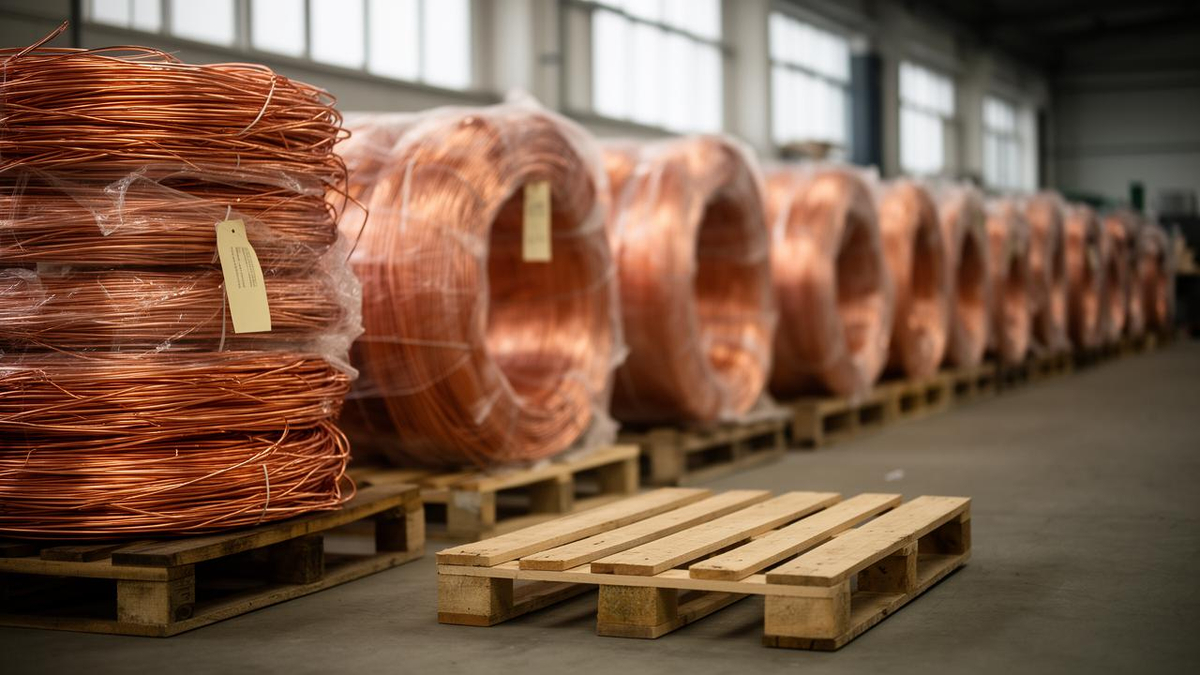
Toto Finance, which issues tokens backed by commodities, submitted the proposal on Oct. 15. It sought a one-time withdrawal to build what it called the Cardano Strategic Copper Reserve, holding COMEX Grade 1 copper cathodes in an approved U.S. warehouse. The metal would have been tokenized at one CuTT token per verified pound, initially issued as ERC-20 assets on Ethereum and bridged to Cardano.
The budget breakdown drew scrutiny from representatives, who noted that less than two-thirds of the withdrawal would actually purchase metal.
Note: Shares are calculated from the amounts disclosed in the proposal and may not sum exactly because of rounding.
Under the plan, the copper would have been held for 18 to 24 months before a controlled sale, with net proceeds and unused budget returned to the treasury within 36 months. Toto acknowledged that recovery of the original principal was not guaranteed and flagged copper price swings, exchange-rate moves, custody failures and bridge problems as risks. At unchanged ADA exchange rates and with all cost allowances used, copper would have needed to appreciate roughly 49% for sale proceeds to recoup the 22 million ADA.
Several safeguards were still conditions rather than completed arrangements. Toto named a U.S. member firm of PwC as its preferred independent overseer but had not engaged one, and the plan called for funds to land in a Toto-controlled receiving account before later protections were in place.
"I am voting No because the money arrives before any of the protections do," DRep JohnM wrote in his published voting rationale. Another opposing representative, Mike Rogero, argued that communal funds should not back a private commodity venture. "This is a business/financial venture and should be financed by risk capital, not public monies," he wrote.
Toto founder Monty Metzger had previously said the company would take no profit from the proposal, though the fee structure stood to direct up to about 3.36 million ADA, or roughly 15% of the request, to Toto through technology and management fees, an execution fee and a margin on storage and insurance invoices. Toto did not respond to requests for comment on the rejection or on questions about its fees and custody arrangements.
The vote preserves scarce spending room. Holders have capped withdrawals at 500 million ADA through about July 2027, and 457.4 million ADA of that had already been committed as of mid-October, leaving about 42.6 million ADA available. The copper request alone would have consumed more than half of the remaining capacity. At ADA's price near $0.15 on Nov. 16, the 22 million ADA request was worth roughly $3.3 million, down from the nearly $5 million valuation used when the idea was first discussed.
Cardano's governance community has turned down large requests before. In June, a 7.8 million ADA proposal for its annual summit failed despite attracting 65.2% support, and a separate 32.9 million ADA request for Input Output Global's research laboratory ran into opposition from representatives controlling most of the participating stake. Other spending requests remain live, including Trivolve Tech's 9.6 million ADA bid for a police evidence management system in India, with voting set to close Nov. 20.
The outcome signals that Cardano's largest delegates are reluctant to use communal reserves for commodity trading strategies, particularly ones routed through Ethereum infrastructure and carrying uncompleted custody arrangements. For the treasury, the failed ballot leaves a thin buffer under the spending cap ahead of future funding requests, while for Toto the rejection leaves its copper-token model without the network-funded reserve it had proposed to anchor it.
Once added, BigGo Finance appears first in Google Search Top Stories, so you get the broadest, most up-to-the-minute, and most comprehensive global financial news first.