Where the producer-price impulse comes from
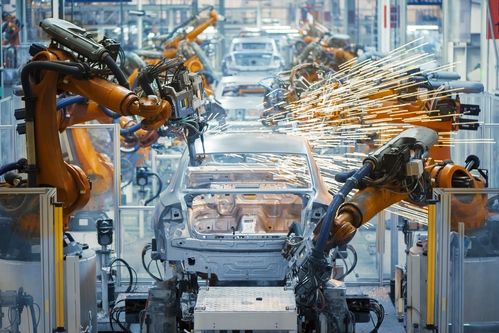
Start with what lifted producer prices. Energy is the first driver: oil, gas and coal extraction rose on higher international crude and winter demand. The second is policy-driven — capacity governance in over-supplied industries. The third is the one worth underlining: AI-related demand lifted non-metallic minerals, electrical machinery and electronics.
That last piece is why the PPI print is not simply an oil echo. Even as crude has since collapsed — Brent fell 5.93% to $92.49 on November 9 — China's producer prices accelerated. Some of that is timing (October captured the war premium), but some is the electronics complex running hot on data-centre demand.
Now the consumer side.
Why +22.4% gasoline didn't lift the headline
Look inside the CPI basket and the mechanics become obvious. Food fell 2.9% year on year, with fresh vegetables down 16.9% and pork down 8.6%. That single line item is heavy enough to offset almost everything else.
What did rise: gasoline +22.4%, services +0.7%, and a cluster of tech goods — data storage +45.4%, tablets +29.3%, computers +23.0%, phones +16.7%. Gold jewellery added just 4.5%, a sharp deceleration from earlier in the year.
So the picture is not "China is deflating". It is two economies moving at different speeds: a producer sector repricing on energy and AI demand, and a consumer sector where food disinflation and weak services pricing cap the headline.
For equities, the transmission is straightforward. A company that buys inputs at +7.9% and sells into a market growing at +0.7% has one lever: cut costs or cut output. Consumer-goods PPI was -0.1% year on year — the pricing power simply is not there.