After Democrats secured control of the Senate and House in the November 3, 2026, midterm elections, the CLARITY Act faces a deadline: it must pass before the new Congress convenes on January 3, 2027, or be reintroduced. The outgoing Congress still has a chance to advance it during the lame-duck session.
The bill already passed the House, but a Senate vote to begin debate failed in September. Democratic control shifts the next Congress’s committee leadership and confirmation powers, while leaving lawmakers from both parties with a short window to find enough votes before January.
- 🎉What Happened: Democrats Take Control as CLARITY Faces a Deadline
- 📖Who Is Behind the Bill and Its Political Outlook
- 📖Background: How the CLARITY Act Reached This Point
- 💬Why It Matters: Committee Control and Cross-Party Support
- 🔷CLARITY Act Vote Counts: What the Numbers Show
- ❓Risks and Open Questions: Can the Bill Clear the Senate?
- 🧩What Happens Next: The Lame-Duck Session and January 3
- 🔹Market Reaction and Industry Outlook
- ❓FAQ
What Happened: Democrats Take Control as CLARITY Faces a Deadline
Senate control changes the bill’s political setting
Democrats and independents who caucus with them reached 51 Senate seats after Democrat Josh Turek won Iowa, according to Cointelegraph, citing the Associated Press. The incoming majority will shape committee leadership and have a role in confirming future presidential nominees to regulatory posts.
Read More: CLARITY Act Stalls in Senate as Lummis Blames Democrats for Failed Crypto Vote
The House also shifted to Democratic control. The incoming majority is set to lead key House committees and oversight, The Defiant reported. The result puts the bill’s next steps in a changed political environment, but the near-term legislative opportunity remains with the outgoing Congress.
The bill’s immediate window remains open
The CLARITY Act is still stalled in the Senate. The outgoing Congress can consider it before the new session begins on January 3, 2027; if the bill has not passed by then, it must be reintroduced in the next Congress.
That makes the lame-duck period more than a transition between election day and the new session. It is the remaining window for lawmakers to advance the current bill before the new majority takes over.
Who Is Behind the Bill and Its Political Outlook
Alsobrooks sees a possible deal before January
Sen. Angela Alsobrooks, one of the bill’s negotiators, has said an agreement could still be reached before the new Congress convenes. She has also expressed doubt that a Democratic-led Congress would make the legislation a priority afterward.
Her position leaves room for a late-session deal without suggesting that one is assured. The September procedural vote shows that the bill will need additional support in the Senate to move forward.
Seiberg expects a longer pause
TD Cowen Washington analyst Jaret Seiberg offered a more pessimistic outlook in an election-day note. He argued that a Democratic sweep could end the bill’s chances for two years, citing the prospect of investigations into President Donald Trump, including his crypto ties, and a more difficult political climate for the industry.
Bitcoin Magazine quoted Seiberg’s forecast that the CLARITY Act would not pass over the next two years. That is his assessment of the political outlook, not a legislative decision already made by the incoming Congress.
Seiberg’s note also described the Senate as the more consequential prize in the election because a Democratic majority could block nominees and press the White House over appointments to agencies central to crypto policy, including the SEC and CFTC. He said a Democratic Senate could elevate Elizabeth Warren to chair the Banking Committee. These are anticipated changes in leverage and oversight, not decisions on the bill itself.
Background: How the CLARITY Act Reached This Point
House passage gave the bill a strong first vote
The House passed the CLARITY Act 294-134 in July 2025. That margin gave the bill a clear House victory, but passage in one chamber did not resolve its path through the Senate.
The legislation is a crypto market-structure bill. Its progress now depends on whether the Senate can agree to take it up and whether negotiators can assemble the support needed to advance it.
The September Senate vote exposed the hurdle
On September 15, 2026, a procedural vote to begin Senate debate failed 49-50. All 49 votes in favor came from Republicans, and the bill fell short of the 60 votes needed to advance.
The lame-duck session belongs to the same outgoing Congress that produced that vote. To move the bill before January 3, negotiators would need to secure support beyond the votes it received in September.
Why It Matters: Committee Control and Cross-Party Support
Senate leadership also affects regulatory nominations
Under Democratic control, Sen. Elizabeth Warren is positioned to chair the Senate Banking Committee, which oversees financial policy relevant to crypto. A Democratic Senate would also have influence over confirmation of future presidential nominees to the SEC and CFTC.
That gives the election consequences beyond the fate of one bill. If Congress does not pass new legislation before the deadline, committee priorities and the confirmation process could shape how crypto policy develops in the meantime.
Industry voices are urging bipartisan engagement
Ethereum France president and EthCC co-founder Jerome de Tychey said durable legislation needs support across party lines. He also argued that conflict-of-interest rules and customer-protection obligations could strengthen the regulatory framework, while warning that partisan division over crypto policy could set the United States back.
Fred Hsu, co-founder and CEO of D3, similarly urged the industry to make its case to lawmakers in both parties rather than rely on one party to deliver legislation. Their comments point to a political challenge for the next Congress: disagreements over the bill’s path do not remove the need for lawmakers to negotiate workable rules.
De Tychey said it was too early to know the precise implications of the election, but argued that “nothing will pass without cross-partisan support.” He described customer-protection obligations and conflict-of-interest rules as measures a mature industry should be willing to accept, while cautioning that making crypto policy a partisan issue could set the United States back several years.
CLARITY Act Vote Counts: What the Numbers Show
House support has not translated into Senate progress
The bill’s 294-134 House passage contrasts with its 49-50 Senate procedural defeat. Those votes came at different stages, but together they show why the Senate remains the immediate obstacle: the bill cleared one chamber and failed to advance debate in the other.
The Senate’s 60-vote threshold for advancing the bill is the key procedural figure for the lame-duck session. The September tally had 49 votes to begin debate, leaving negotiators to find additional support before the current Congress ends.
The new majority and the two-year forecast are different measures
The reported 51-seat Senate majority sets the political balance for the incoming Congress. Seiberg’s two-year outlook is an analyst’s forecast about what that balance could mean for CLARITY, not a vote count or a timetable adopted by lawmakers.
The difference matters for readers tracking the deadline. The election changed who will control the next Congress, while the current bill’s immediate prospects still hinge on action by the outgoing Congress before January 3.
Risks and Open Questions: Can the Bill Clear the Senate?
The September vote leaves a cross-party gap
No Democrat voted to begin debate in the September procedural vote, while 60 votes were needed to advance the bill. That result makes bipartisan negotiation central to any attempt to move CLARITY during the lame-duck session.
The incoming Congress could approach the legislation differently, but it would start with a bill that must be reintroduced if it misses the January deadline. Seiberg expects a two-year delay; that remains his forecast rather than a confirmed outcome.
The deadline compresses the remaining path
Lawmakers have until the new Congress convenes on January 3, 2027, to pass the current bill. Missing that date means restarting the legislative process with a reintroduced bill, rather than carrying the existing measure forward as-is.
Whether Senate leaders allocate floor time and whether negotiators can secure enough votes are the key practical questions for the remaining session. The election has raised the stakes for that window, but only action by the outgoing Congress can meet it.
What Happens Next: The Lame-Duck Session and January 3
Negotiators still have a short opportunity
Alsobrooks has said a deal before the new Congress begins remains possible. Her expectation that Democrats may not prioritize the bill afterward adds urgency to the outgoing Congress’s remaining opportunity, without guaranteeing that negotiators will reach an agreement.
The next development to watch is whether Senate leaders make time for the bill and whether proponents can secure votes beyond the 49 it received in September. Any progress would need to happen before the January 3 transition.
A missed deadline means starting again
If the CLARITY Act does not pass before January 3, 2027, it must be reintroduced in the next Congress. The incoming majority would then take up the question under new committee leadership and a Senate balance in which Democrats and aligned independents hold 51 seats.
That is why the current session remains important even after the election. A late deal could move the existing bill forward; failure to act would leave supporters to make their case again in the new Congress.
Market Reaction and Industry Outlook
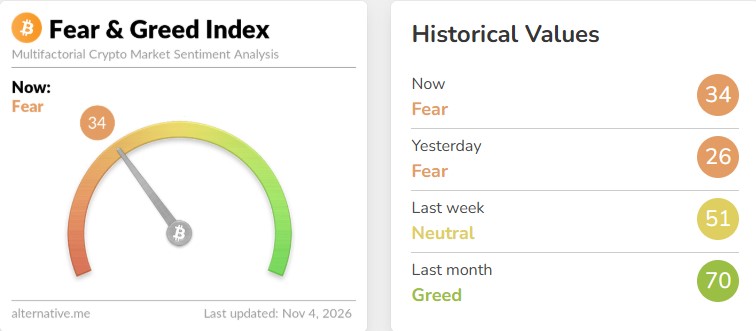
Bitcoin traded near $77,500 on election day after dipping to $76,300 that morning, and was about $2,000 below its opening level for the month. It had also faced pressure from two days of spot Bitcoin ETF outflows and broader concerns about the market, so the price moves do not isolate an election effect.
Before the vote, crypto investors interviewed by the Investing News Network said a Democratic victory could create near-term uncertainty by delaying legislation. Moon Pursuit Capital founder Utkarsh Ahuja said that shift could bring “short-term selling pressure,” while maintaining that Bitcoin’s longer-term performance depends more on institutional adoption, liquidity and macroeconomic conditions than on a single political outcome.
Global Settlement Network CEO Ryan Kirkley cautioned that markets can react before the practical consequences of an election are clear. He said a change in Congress could affect how quickly legislation moves, but would not change the usefulness of stablecoins or blockchain settlement. Kirkley also warned against assuming a Republican majority would automatically produce lasting gains for crypto assets.
Ahuja said a Democratic-controlled Congress could make large investors more selective about where they allocate capital. Kirkley drew a distinction between businesses whose models depend on favorable legislation and those already seeing demand from financial institutions. Their comments suggest that the policy outlook may affect companies differently, even as the CLARITY Act’s status remains unresolved.
FAQ
What would the CLARITY Act set out to do?
The bill is a crypto market-structure measure intended to establish rules for how crypto is traded and supervised in the United States. Its supporters still need to move it through the Senate before the current Congress ends or restart with a reintroduced bill.
Why is the lame-duck session important?
It is the outgoing Congress’s remaining opportunity to pass the current version before the new Congress convenes. A deal would need enough Senate support to advance after the bill’s 49-50 procedural defeat in September.
What is Seiberg’s view of the bill’s prospects?
The TD Cowen analyst expects a Democratic Congress to leave the CLARITY Act without a path to passage for two years. He links that forecast to a more contentious political climate around crypto and potential scrutiny of Trump’s crypto ties.
What did Jerome de Tychey say lawmakers should prioritize?
De Tychey said crypto legislation needs support across party lines. He also said conflict-of-interest rules and customer protections could strengthen the regulatory framework.
How could the election affect future SEC and CFTC nominees?
A Democratic Senate would have a role in confirming future presidential nominees to regulatory posts, including the SEC and CFTC. The shift also places Warren in line to chair the Senate Banking Committee.
What did Fred Hsu urge the crypto industry to do?
Hsu said the industry should not depend on one party to deliver legislation. He urged crypto advocates to make their case to lawmakers on both sides.
This article is for information only and is not financial advice.
Related Articles
Bitcoin Breakout Stalls as ETF Outflows and Miner Selling Drain Market Demand
According to Wintermute’s latest market update, Bitcoin’s breakout above the June range...
Celsius Founder Alex Mashinsky Gets $10M FTC Deal, Lifetime Crypto Ban
Celsius founder Alexander Mashinsky faces a permanent ban from promoting crypto under an FTC order...
France Targets Crypto Wallets Over €100K With Proposed €10,000 Fines for Non-Disclosure
French legislators have backed a proposal that would mandate the disclosure of cryptocurrency...
JPMorgan Cuts Polymarket Banking Ties as Regulatory Risks Persist
Polymarket, a prediction market, had its banking relationship with JPMorgan Chase severed,...
WLFI Price Tanks 15% as Token Unlock Vote Fuels Backlash
WLFI▼$0.0497 price hit a new low as a controversial governance vote turned a long-running unlock...
Cboe Enters Prediction Market Space With Binary Options on S&P 500
The exchange’s new offering targets retail investors. Contracts are already available, with more...