Community Trust ScoreVerified
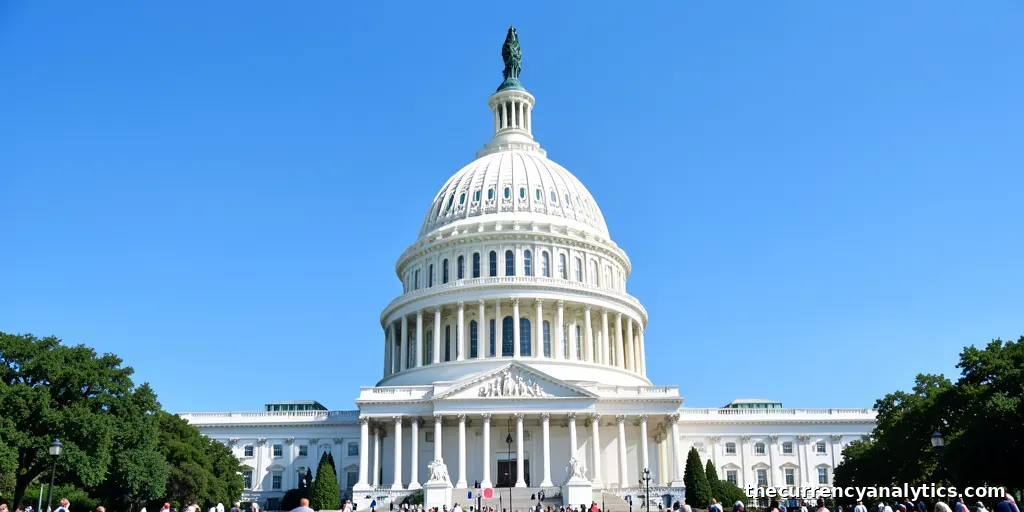
The Digital Asset Market Clarity Act remains stalled in the United States Senate as the chamber enters its final weeks of operations before Democrats assume control of both houses of Congress on January 3, 2027. With legislative time running short, attention has shifted toward the confirmation of new leadership for the Securities and Exchange Commission and the Commodity Futures Trading Commission.
Procedural Hurdles for Crypto Legislation
The CLARITY Act, which passed the House of Representatives in July 2025 by a vote of 294 to 134, has failed to clear the Senate. On September 15, a motion to end debate on the bill failed with a 49 to 50 vote. The procedural requirement to end debate in the Senate is 60 votes, leaving supporters of the measure 11 votes short of the threshold. At the time of the House vote, 78 Democrats joined Republicans in favor of the legislation, while 134 Democrats voted against it.
Senator Cynthia Lummis criticized Democratic leadership in a post on November 15, arguing that the party rejected crypto legislation containing specific registration requirements. Lummis stated that Democrats demanded a mandatory SEC front door, a process requiring crypto projects to certify offerings before selling to the public, yet ultimately voted against the measure. Senator Thom Tillis has filed a motion to reconsider, which provides a procedural path to return the bill to the Senate floor, though no date has been set for that action.
Industry leaders suggest that competing priorities are delaying progress. Cody Carbone, CEO of the Digital Chamber, attributed the lack of movement to the short calendar and a long to-do list at the end of the year. Ryan Eagan, director of US federal affairs at the Crypto Council for Innovation, noted that a last-minute attachment of the legislation to mandatory bills remains a possibility, though he expressed little hope for a standalone passage before the session ends.
Regulatory Confirmations Take Priority
As the CLARITY Act sits in limbo, the Senate is moving to confirm four new commissioners for the SEC and CFTC. President Donald Trump nominated these individuals on November 12, selecting one Republican and one Democrat for each agency. The SEC nominees are Steven Levine and Kristin Johnson, the latter of whom previously served as a CFTC Commissioner. The CFTC nominees are Nathan Anonick and Matthew Rowland.
The Senate Banking Committee has scheduled a hearing for Johnson and Levine for November 19 at 10 a.m. Eastern. In contrast, the Senate Agriculture Committee, which oversees the CFTC, has not yet announced a hearing date for Anonick and Rowland. Currently, SEC Chairman Paul Atkins serves alongside Commissioner Mark Uyeda, while CFTC Chairman Mike Selig is the agency’s only commissioner. Kristin Smith, interim CEO of the Blockchain Association, pointed out that both the SEC and CFTC are developing regulations for digital assets in the absence of a comprehensive market structure law.
Miners and the Data Center Bill
Another legislative item affecting the crypto sector is the American Affordability and Jobs Act, which the Senate voted 73 to 25 on November 9 to begin considering. The bill aims to speed up federal permitting for energy projects and data centers. A proposal from the Senate Energy Committee would require large data centers to pay for their electricity service and related grid upgrades.
This provision has created a split among Bitcoin miners. Carbone stated that while some miners supported faster permitting, others objected to the potentially higher costs associated with new grid infrastructure. House Democrats remain divided over whether to revise the permitting proposal immediately or to negotiate different provisions after they take control of the chamber in January. Discussions surrounding Democratic oversight of the digital asset sector also include proposals associated with Representative Maxine Waters, which cover custody safeguards, reserve reporting, and conflicts of interest. Seven Democratic senators reaffirmed their support for bipartisan digital asset legislation following the September setback, but the path to passage remains unclear as the current Congress nears its end.
Jean-Luc Maracon is a French-Swiss expert in decentralized finance, known for his sharp analysis of Bitcoin, European Web3 projects, and crypto regulatory challenges. Splitting his time between Geneva and Paris, he brings a unique perspective blending traditional finance with blockchain innovation. He regularly collaborates with crypto platforms across Europe to help make digital investing more accessible. Specialties: Bitcoin, staking, European regulation, crypto security, Web3.