Why the Judge Ordered Sandeson’s Bitcoin Returned
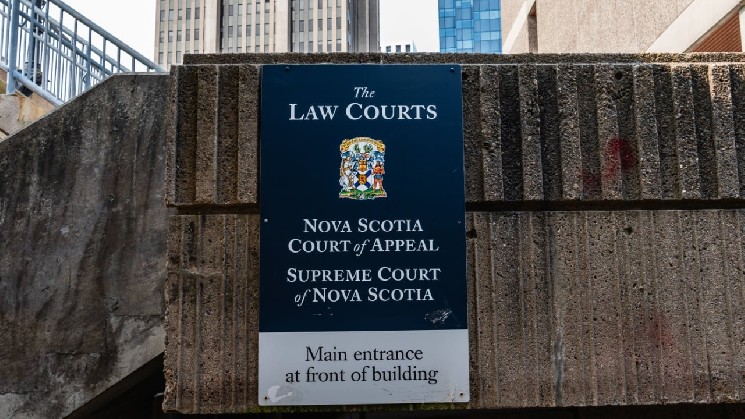
William Sandeson secured the return of his bitcoin wallet despite serving a life sentence for murder. Justice John Bodurtha of the Nova Scotia Supreme Court, the Canadian province’s superior trial court, ordered the laptop containing the wallet returned on Nov. 3. Prosecutors had failed to establish that the cryptocurrency was used in the drug transaction, represented criminal proceeds, or was otherwise connected to criminal activity.
Appearing remotely at the Halifax hearing, Sandeson pursued a motion filed in April seeking the return of personal belongings seized following his 2015 arrest. Bodurtha said:
“The potential use of the cryptocurrency as part of the drug transaction is hypothetical … There was no evidence that the respondent actually intended to use it in the transaction.”
“The potential use of the cryptocurrency as part of the drug transaction is hypothetical … There was no evidence that the respondent actually intended to use it in the transaction.”
Know when your
coins move
Referring to the Crown, the prosecution in Canadian criminal cases, the judge continued his assessment of the evidence. “The Crown cites no evidence of actual dealing with the bitcoin in connection with the murder,” he added.
Bodurtha withheld C$5,000 (approximately US$3,578) in cash found in the apartment, classifying it as offense-related property, meaning property connected to committing a crime. His order directed that the laptop be handed to Sandeson’s family. The laptop’s return concerned bitcoin wallet access, which had also figured in separate civil litigation.
Court Record Details Sandeson’s Convictions
An official court summary of Sandeson’s convictions recorded his first-degree murder conviction in June 2017. An appeals court overturned that verdict in June 2020 and ordered a new trial. The second trial in 2023 resulted in a second-degree murder conviction and a life sentence with parole eligibility set at 15 years. He is serving his sentence in Quebec.
Sandeson and Taylor Samson were Dalhousie University students when the killing occurred in 2015. Sandeson arranged for Samson to visit his apartment to sell him about 18 kilograms of cannabis, then shot him and kept the drugs and money. During his retrial, Sandeson admitted disposing of Samson’s body in the Bay of Fundy; the remains have never been recovered.
Victim’s Family Had Sought to Preserve the Bitcoin
The cryptocurrency had also figured in a wrongful death lawsuit brought by Samson’s mother, Linda Boutilier, and brother, Connor Samson. Their lawyer, James Goodwin, told The Canadian Press in February 2023 that they wanted the bitcoin kept available if they won compensation. The lawsuit sought financial damages for Samson’s death.
Goodwin said a temporary court order obtained in December 2022 had blocked an earlier decision allowing the laptop’s return. In October 2022, Sandeson had told the court his bitcoin was worth C$8,000 to C$10,000. By February 2023, Goodwin suggested the cryptocurrency could exceed C$200,000.
The family’s earlier injunction sought to keep assets available to pay compensation if its lawsuit succeeded, a separate issue from whether prosecutors could retain the bitcoin as crime-related property. A comparable use of an injunction arose in Canadian proceedings targeting cryptocurrency. In 2022, Ottawa residents obtained an Ontario court order freezing assets, including digital currencies, associated with the Freedom Convoy, the trucker-led protests against COVID-19 restrictions.
Preserving a claimant’s ability to collect was also the purpose of a worldwide freezing order against Craig Wright. Britain’s High Court granted that order in July 2024 to secure Peter McCormack’s potential recovery of legal costs amid concerns that assets could be moved. Although the claims differed, that order and the Samson family’s earlier injunction addressed the same practical concern: keeping property available for a possible payment through civil proceedings.