The Crypto Desk desk. Editor: Sam Daodu.
For Chainlink (CRYPTO:LINK) to achieve a market value of $25 billion by 2030, it would have to more than triple from its current value of around $7 billion. Chainlink ranks 17th by market value, calculated by multiplying a coin’s price by the number of tokens in circulation. Reaching $25 billion is a round-number milestone that tests how far adoption can carry the token.
LINK is trading at about $9, having dropped 13.6% over the past week, and is 82.5% below its all-time high. In the last 30 days, LINK has fluctuated between a high of over $12 and a low under $9.
Despite this downturn, LINK has performed better than the two largest cryptocurrencies. It has fallen 24.6% this year, less than Bitcoin’s (CRYPTO:BTC) 25.9% and Ethereum’s (CRYPTO:ETH) 39% declines.
Chainlink’s growing adoption adds to its potential. The platform operates oracles that supply external data, such as asset prices, to blockchains, and Chainlink’s latest update on X highlighted 10 new integrations across five services and seven blockchains, including users like Aave and OlympusDAO. So could Chainlink’s market value reach $25 billion by 2030?
A $25 Billion Market Value Means LINK Near $33

With Chainlink’s market value at around $7.04 billion, achieving a $25 billion market value would require LINK to reach approximately $33, about 255% higher than its current price. Our look at what 1,000 Chainlink could be worth by 2028 maps out nearer outcomes.
However, the increased supply of LINK tokens makes this climb challenging. In February 2020, LINK traded around $4.50, with a market value of about $1.64 billion. Now, at a price close to $9, the market value is about $7.04 billion, which has grown far faster than the price because far more LINK circulates.
Thus, that $33 price serves as a baseline. If more tokens are issued before 2030, the price needed to reach a $25 billion market cap could rise even higher.
LINK Traded Above $33 in 2021, but With Far Fewer Tokens
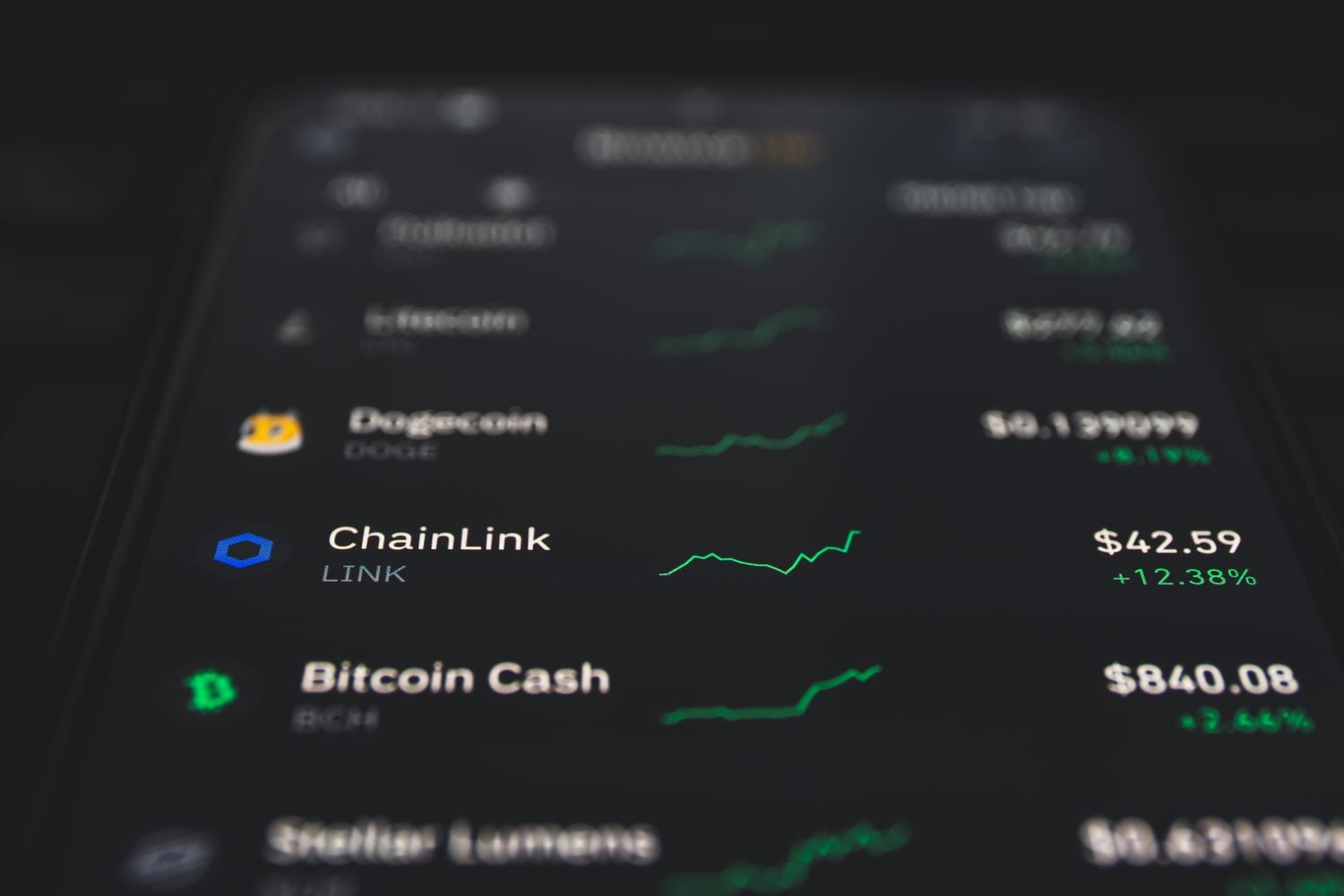
The $33 target falls inside LINK’s 2021 trading range. In May 2021, LINK peaked near $53, and it was around $29 in November that same year. In recent years, its highs have been lower, with the token trading near $25 in December 2024 and its one-year peak just above $15.
While LINK has surpassed $33 in the past, the current market has far more circulating tokens than it did in 2021, meaning investors would need to put in significantly more capital to reach that level. Our comparison of Chainlink at $100 and XRP at $10 weighed even bigger targets.
Chainlink’s Adoption Keeps Growing While LINK Falls

New Integrations Keep Arriving
Achieving a $25 billion market value hinges on Chainlink growing its network and turning that into consistent demand for its token. Despite the 10 new integrations, including Aave and LlamaRisk, LINK still declined 13.6% over the last seven days. That suggests the market wants concrete evidence these integrations are generating fees.
Moody’s Is Testing Chainlink’s Cross-Chain Tool
Moody’s (NYSE:MCO | MCO Price Prediction) has tested Chainlink’s Cross-Chain Interoperability Protocol (CCIP) to send credit ratings across multiple blockchains simultaneously, expanding its earlier work on the Canton network, according to a recent episode of the Thinking Crypto podcast. While it’s a promising step, the pilot ran on a testnet, a practice network, and has yet to move into live transactions.
The test ties into tokenization, which turns assets like bonds into blockchain tokens, a trend we’re looking at whether banks tokenizing everything helps Chainlink or XRP.
Revenue Tied to LINK
Chainlink’s Payment Abstraction feature lets customers pay for services with various tokens or even traditional currency, which is then converted into LINK. According to Chainlink’s blog, the Chainlink Reserve holds the LINK accumulated from these payments, providing a direct connection between network usage and the token. The growth of this reserve serves as a key indicator of how much adoption reaches LINK holders.
Can Chainlink Reach a $25 Billion Market Value by 2030?
Chainlink can reach a $25 billion market value by 2030, but it’s less likely than not. To get there, LINK must first break above its 200-day moving average near $10, then surpass its 50-day average around $12, about 31% higher. Following that, it must exceed its one-year high of over $15, climb past the December 2024 level near $25, and consistently hold above $33 as supply increases.
The first key sign of progress could be a LINK close above $15, up about 63%, suggesting buyers are absorbing the recent selling pressure. Conversely, if LINK falls below its one-year low of around $7, the required gain could stretch beyond 255%, making $25 billion far harder to reach. Our look at what 1,000 Chainlink could be worth by 2030 runs the longer-term numbers.
Contact [email protected] for any questions or corrections.
Sam Daodu is a crypto analyst and the editor of 24/7 Wall St.'s Crypto Desk, where he covers Bitcoin, XRP, Ethereum, Solana and the altcoins investors search for most. His work focuses on price levels, spot ETF flows, on-chain data and the regulatory decisions that move crypto markets, written so a first-time buyer and a seasoned trader can both use it.
Sam has written about crypto professionally since 2019 and has published more than 2,000 articles. Before joining 24/7 Wall St., he wrote for crypto media outlets and Web3 companies and ghostwrote for crypto founders and token launches. His analysis is syndicated on Yahoo Finance, MSN and AOL and has been cited by other crypto news sites. He also founded MacLabs Marketing, a content and personal branding agency for crypto founders and executives.
When he isn't reading charts, Sam is usually at the gym or watching One Piece, a series he maintains has better tokenomics than most altcoins.