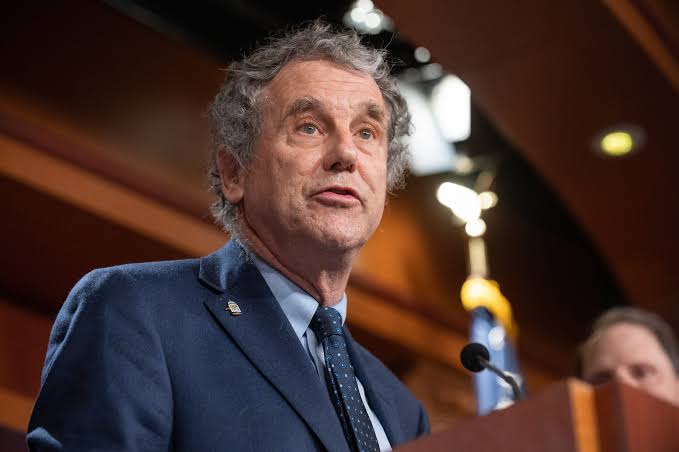
Crypto-backed super PAC network Fairshake spent $55 million opposing Ohio Senator Sherrod Brown in the 2026 midterms, but Brown, the former Senate Banking Committee chair, defeated Republican Sen. Jon Husted and won the seat back for Democrats, according to POLITICO. The defeat has triggered what POLITICO described as a broad Democratic backlash against the industry’s political spending strategy.
Fairshake Won 30 Races But Lost The Ones That Mattered
Fairshake, funded primarily by Coinbase, Ripple and Andreessen Horowitz, spent more than $150 million across roughly 90 congressional races in the 2026 cycle, winning 30 general election contests and losing three, according to POLITICO’s November 19 report.
The group backed only Republicans in Senate general election races despite public calls for bipartisan cooperation. In Illinois, Democrat Juliana Stratton won her Senate primary despite roughly $10 million in crypto-backed spending against her. The CLARITY Act, the industry’s flagship legislative priority, failed to advance on September 15 when a procedural vote ended 49 to 50, short of the 60 needed to proceed.
Democratic Lawmakers Call the Strategy a Costly Miscalculation
Senator Ruben Gallego of Arizona, who helped negotiate the CLARITY Act, said the industry’s position after the midterms was damaged. He called Fairshake’s decision to target Brown while ignoring Senator Susan Collins of Maine, who also voted against the bill, hypocritical.
Sheila Warren, former chief executive of the Crypto Council for Innovation, called the Brown campaign “boneheaded,” noting Brown was not in Congress when the bill was considered and describing the spending as a show of force. Dante Disparte of Circle said lawmakers from both parties were concerned about the industry’s tactics and that some who were targeted “have long memories.”
Democrats Now Control Both Chambers and The Legislative Agenda
Democrats won control of both the Senate and the House in the midterms and will take power in January. Senator Elizabeth Warren is expected to chair the Senate Banking Committee, replacing Republican Tim Scott, the current committee chair, according to POLITICO.
House Democrats are discussing alternative legislation with stronger Securities and Exchange Commission (SEC) oversight and investor protections, including proposals associated with Representative Maxine Waters covering customer asset custody, withdrawal safeguards and reserve disclosures.
The shift means the industry’s legislative path runs through the same caucus Fairshake spent $150 million to oppose, a strategic reversal that could delay or reshape crypto regulation for the new Congress.
Industry Voices Acknowledge a Reset is Needed
Cody Carbone, chief executive of the Digital Chamber, called election night a “wake-up call” and urged engagement with both parties and an education-first approach with incoming lawmakers. Fairshake spokesperson Geoff Vetter defended the spending as helping candidates win competitive races, while the group is already preparing for 2028.
The new Congress convenes in January with Democratic majorities in both chambers. Possible congressional investigations into crypto companies’ ties to President Trump’s family have been raised, adding another front to the industry’s political exposure beyond the stalled CLARITY Act.