Share
Democrats are preparing to introduce a long list of artificial intelligence bills once they take control of the US Congress in January. Their targets include AI systems, data centers and the electricity bills tied to both.
What Democrats want to pass
Lawmakers, congressional aides and advocates told Reuters the agenda has three main pillars. The first is protecting consumers from rising power costs linked to data centers. The second would require independent testing of advanced AI systems before they reach the public. The third would clarify when AI companies can be held liable for harm their products cause.
Senator Chuck Schumer, who is expected to become Senate Majority Leader, made energy-cost protections a stated priority during the first week of November 2026.
In the House, Representative Lori Trahan is pushing for independent evaluations of AI models and clearer corporate liability for harms. Representative Zoe Lofgren is also among the Democrats backing the broader agenda.
The groundwork is not new. A House Democratic Commission released a policy roadmap for AI regulation earlier in 2026, so the January bills will have a blueprint behind them.
AI, tech, and the markets they move—in one daily briefing.
Daily. Free. Join 34,000+ readers across crypto, finance, and policy.
We respect your privacy. Unsubscribe anytime.
How the previous Congress handled AI
The Republican-led Congress took a very different approach. Lawmakers there largely focused on promoting AI development and declined to pass bills restricting parts of the technology.
Not every recent effort fell along party lines. Bipartisan proposals already in circulation include the Ratepayer Protection Act. There is also the FRONTIER Act, introduced by Trahan and Republican Representative Jay Obernolte in July 2026.
What this means for tech, energy and investors
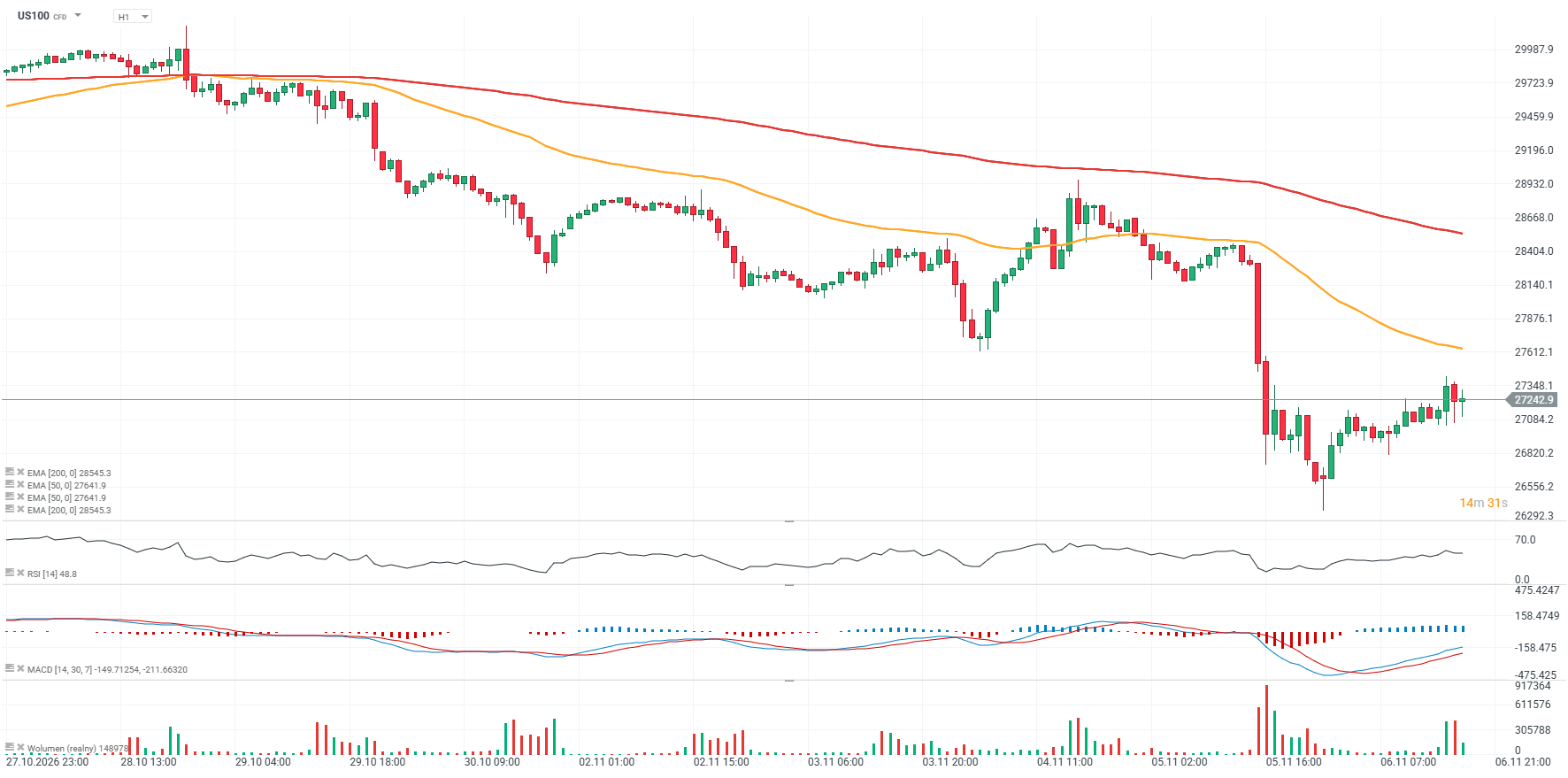
Markets have already noticed. Tech stocks have shown signs of instability, driven partly by fears that tighter oversight and stricter data-center rules could slow the growth of AI infrastructure.
There are also limits on how far Democrats can go. A presidential veto remains available, and Senate filibuster rules typically require broad support to move major legislation.
Electricity is the issue to watch first. It is the most tangible concern for voters and the one Schumer has put at the top of his list.