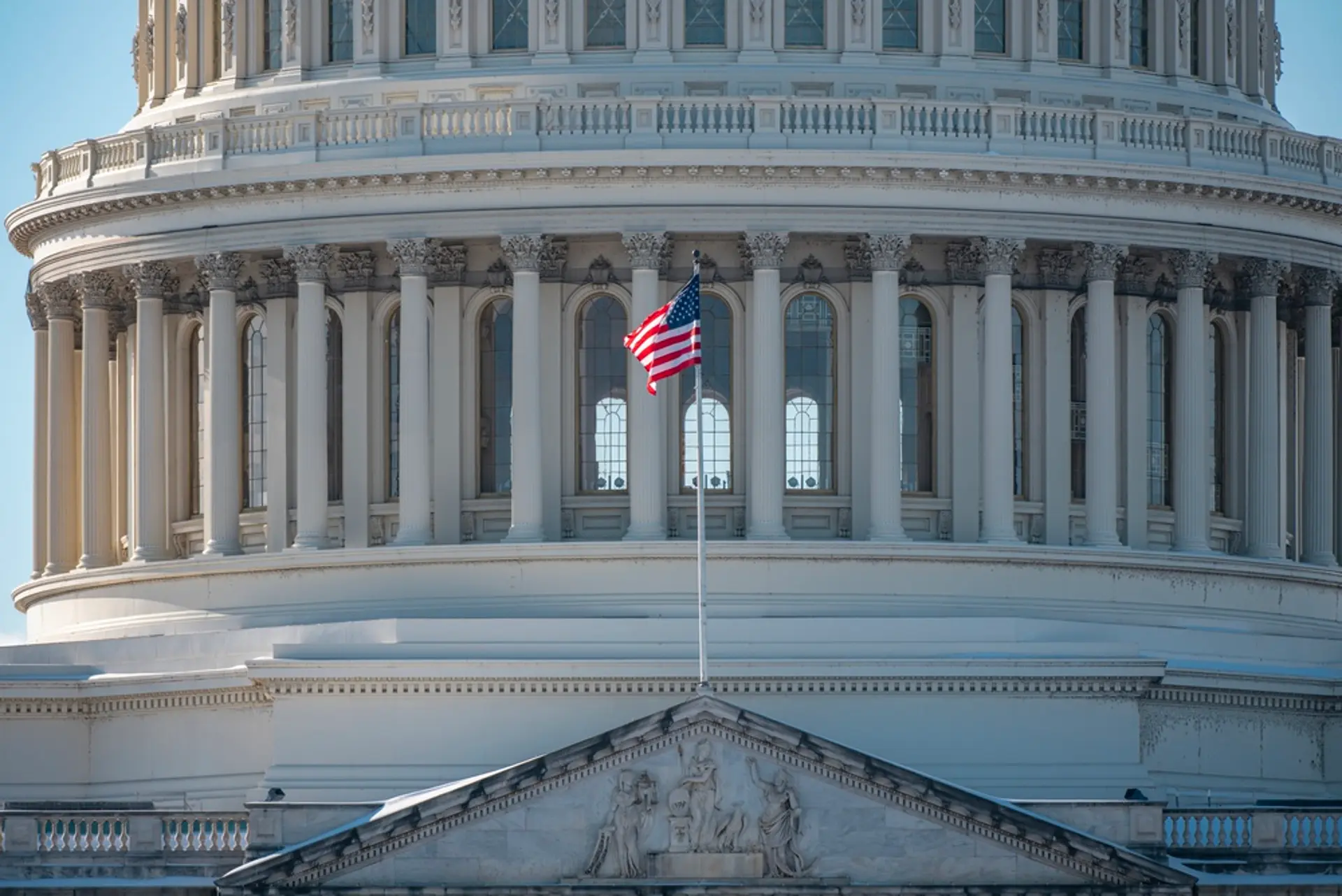
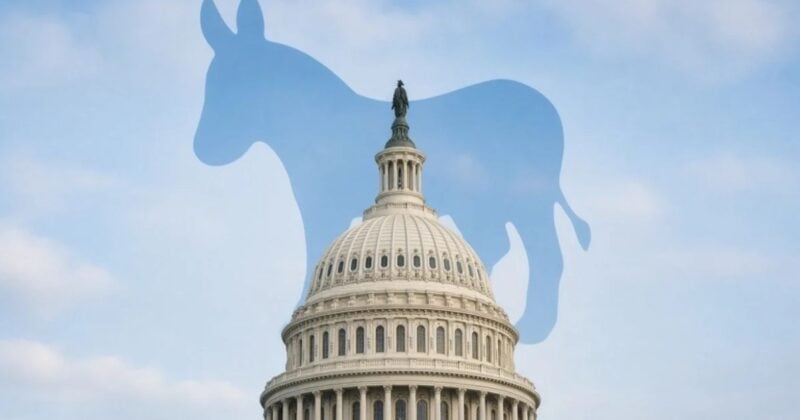
The projected results could weaken the direct influence of President Donald Trump's administration over the congressional agenda, including efforts to establish a more favorable regulatory framework for digital assets. Democratic control could also give lawmakers greater room to investigate issues involving the crypto sector.
One of the most consequential races for the industry was in Ohio, where former Senator Sherrod Brown secured a return to Washington despite an extensive campaign spending effort by cryptocurrency-backed political groups aimed at defeating him. Brown has been a prominent critic of the crypto industry, and his return could complicate legislative efforts supported by digital asset companies.
Democrats Make Gains Across Traditionally Republican States
The Democratic gains extended beyond Ohio, with several candidates projected to win in states that have traditionally favored Republicans. The results reflected a broader shift against the Republican Party amid dissatisfaction with President Trump's administration.
Texas Democrat James Talarico had received 59% of the vote in the latest tally. In North Carolina, Roy Cooper was also approaching 59%. Kansas elected Democrat Adam Hamilton, while Iowa selected Josh Turek.
South Carolina also favored Democrat Annie Andrews, rejecting Darline Graham, who had received support from Trump. Graham is the sister of former Senator Lindsey Graham, a staunch Trump ally who died in July.
Additional states could still influence the final Senate picture as vote counting continues, but the projected Democratic gains point to a significant change in the balance of power in Washington.
Crypto Political Spending Fails to Deliver Key Wins
The election results also represent a setback for cryptocurrency industry political groups that invested heavily in supporting Republican candidates and opposing Democrats. Their spending increased substantially ahead of the vote, even as polling and prediction markets suggested that several of their preferred candidates were facing difficult races.
Ohio was the largest example of that strategy. Crypto-backed groups spent a reported $63 million in an effort to prevent Brown from returning to the Senate, marking an unprecedented investment in the race.
In Nebraska, Fairshake spent almost $11 million supporting Pete Ricketts. However, Ricketts was trailing late Tuesday night when approximately half of the state's votes had been counted.
The spending campaign was intended to influence the composition of Congress and support candidates considered more favorable to the industry's legislative priorities. The projected results suggest that the investment did not secure some of the most important outcomes sought by crypto political groups.
Congressional Shift Could Change Crypto Regulation Debate
The projected Democratic victories could alter the legislative priorities governing the next two years. Under Republican control, the crypto industry had benefited from an administration that strongly supported efforts to develop a more accommodating regulatory framework.
A Democratic-led Congress would have greater independence from Trump's direction on crypto policy. Lawmakers could reconsider the industry's legislative priorities, while congressional committees may also gain greater latitude to conduct investigations involving digital asset companies and related interests.
For the crypto sector, the outcome creates uncertainty around the future of federal legislation and the political support needed to advance regulatory proposals. The industry's substantial election spending has not prevented a broader shift in congressional power, leaving companies and advocacy groups facing a potentially different political landscape next year.
source: coindesk
Writer: Ethan Collins
Crypto Journalist
Ethan Collins reports on developments across the cryptocurrency and blockchain sector. His work covers market movements, protocol updates, regulatory changes, and emerging trends in digital assets.
He focuses on presenting complex topics in a clear and accessible manner for a broad readership.
Check out other news and articles on Google News
Disclaimer:
The articles on Hokanews are here to keep you updated on the latest buzz in crypto, tech, and beyond—but they’re not financial advice. We’re sharing info, trends, and insights, not telling you to buy, sell, or invest. Always do your own homework before making any money moves.
Hokanews isn’t responsible for any losses, gains, or chaos that might happen if you act on what you read here. Investment decisions should come from your own research—and, ideally, guidance from a qualified financial advisor. Remember: crypto and tech move fast, info changes in a blink, and while we aim for accuracy, we can’t promise it’s 100% complete or up-to-date.