Summary
- Kim Hyung-nyun, vice chairman of Dunamu, said all technical preparations for a domestic stock tokenization business have been completed together with securities firms and financial companies.
- He said rewards for holding dollar stablecoins could reduce demand for the won and deepen dollar concentration, adding that technical preparations are needed in response.
- Kim said a won stablecoin could be designed with reference to the exchange deposit system, and that expanding participation by non-resident foreigners is a key task for boosting the global competitiveness of domestic exchanges.
Forecast Trend Report by Period
"Painful to See Samsung, SK Hynix Tokens Trade Overseas"
Concern Over Rewards Race for Dollar Stablecoins
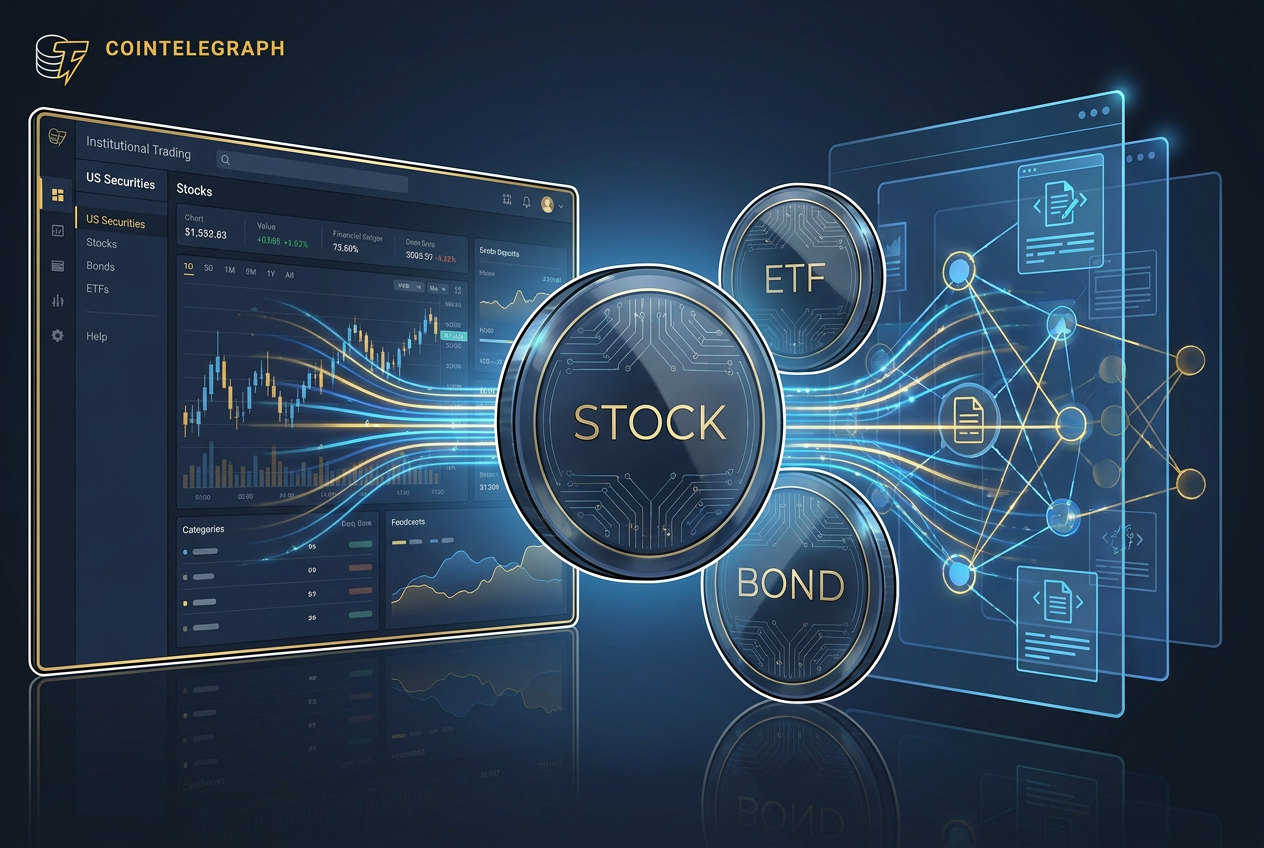
Kim Hyung-nyun, vice chairman of Dunamu, said securities firms, financial companies and Dunamu itself have completed all technical preparations for a domestic stock tokenization business, and urged authorities to quickly establish the necessary rules. With tokenized products tied to shares of Korean companies already trading overseas, South Korea needs to create conditions to launch the business at home, he said.
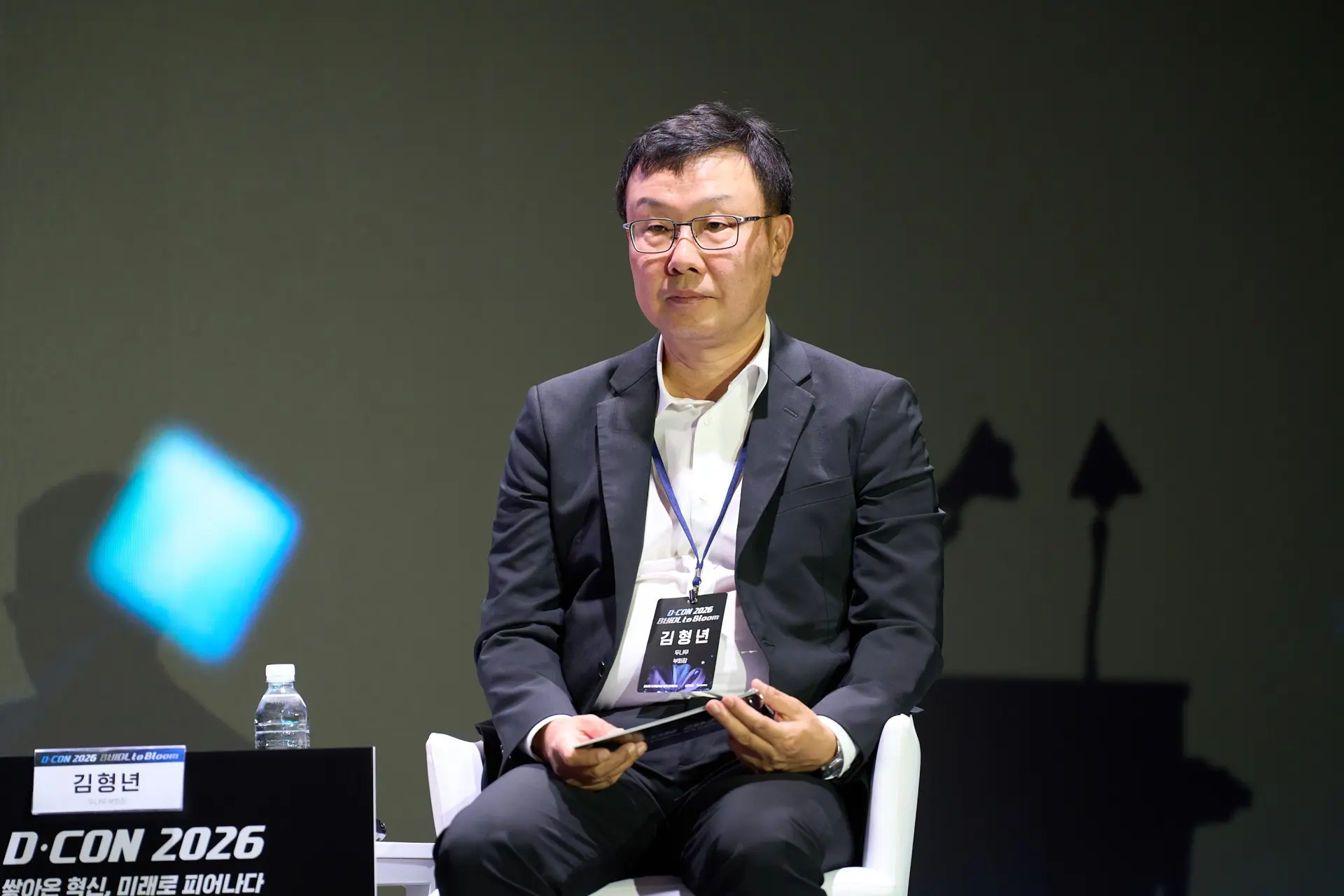
Kim made the remarks at a special dialogue during D-CON 2026, held on Nov. 10 at Fairmont Ambassador Seoul in Yeouido, Seoul. “From the standpoint of an exchange operator, it is painful to see Samsung Electronics and SK Hynix being traded on overseas exchanges,” he said.
He said the technology can be implemented in South Korea, but institutional constraints are preventing the business from moving ahead. Domestic investors are using leverage and trading around the clock on overseas exchanges with products tied to Korean stocks, a situation he described as frustrating. If regulations permit it or business conditions are put in place, Dunamu is ready to deploy what it has prepared, he added.
Kim said the company continues to study what it can do with traditional financial institutions and is applying for regulatory sandbox approvals across several business areas. He also said it was disappointing that domestic discussions on tokenization remain focused on long-running issues such as the distinction between private and public blockchains.
He also raised concerns that rewards for holding dollar stablecoins could weaken demand for the won. If users can earn returns while holding dollar stablecoins, they may feel little need to convert them into the Korean currency.
“If dollars held in a wallet accrue interest, users will keep holding dollars and only take them out when needed,” Kim said. “US stablecoin issuers are already knocking on the doors of Korean exchanges.”
He said dollar concentration could intensify further if users can hold dollar stablecoins in personal wallets and receive interest-like rewards. South Korea needs to think through that scenario and make technical preparations as well, he added.
Kim said the existing exchange deposit system could serve as a reference for designing a won stablecoin. Under the user protection law, exchange deposits are governed by prescribed operating rules, and the interest generated is paid to customers as a usage fee. By studying a practical structure and applying the technology, that framework could be developed into a stablecoin, he said.
As for improving the global competitiveness of domestic exchanges, Kim pointed to broader participation by non-resident foreigners. Investors living in the US, Europe and Southeast Asia should be able to use Korean exchanges, he said. If a market is created where dollars can be converted into won and traded freely, it would open the way for another leap forward.
He added that many issues still need to be addressed, including security threats. If the rules are established properly, Dunamu will do its best to expand into global markets as a company representing South Korea, he said.
Doohyun Hwang