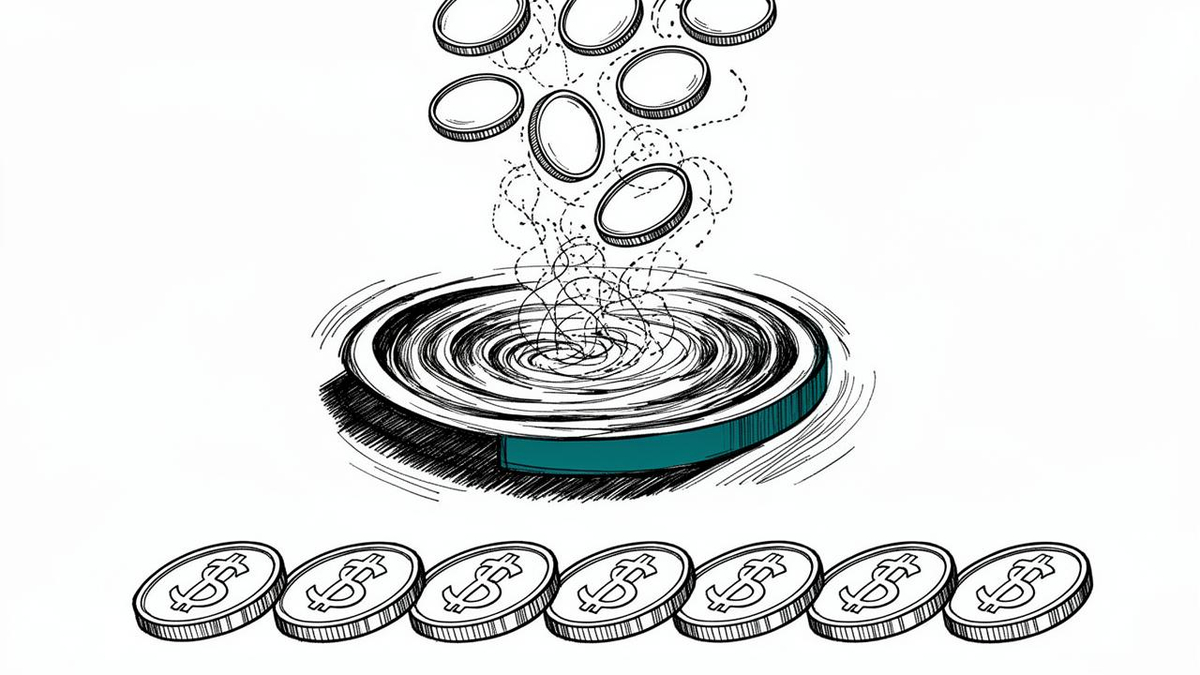
Blockchain analytics firm Elliptic says Bitcoin wallets it links to the alleged Binance theft have pushed at least 2,310 BTC, valued at roughly $149 million, through coinjoin privacy transactions, with about 90% of that activity compressed into a three-day stretch from Nov. 17 to Nov. 20, 2026.
The mixing was coordinated by an entity operating under the name Kruw through Wasabi Wallet, a Bitcoin wallet built around privacy features. Coinjoin blends inputs from multiple users into a single transaction so that the origin of each coin becomes harder to establish. Elliptic co-founder Tom Robinson told The Block that "coordinators arrange the transactions to be mixed but don't take custody of users' funds," a structure that keeps the mixing service itself outside the flow of the assets.
A key distinction in the findings: the Bitcoin that entered the mixers was not pulled directly from Binance. Elliptic says wallets it associates with the hackers first converted Ethereum, XRP and Solana tied to the alleged theft into Bitcoin, then ran that Bitcoin through coinjoin. The 18,270 BTC that the firm says was taken straight out of Binance has not moved since the night of the breach.
Elliptic also traced a broader set of laundering techniques. According to the firm, wallets linked to the activity bridged assets between blockchains using THORChain, passed funds through smart contracts such as Tornado Cash, and briefly issued meme tokens on the NEAR blockchain to route value through liquidity pools before abandoning those tokens. Six such tokens were created on NEAR between Nov. 5 and Nov. 7, the firm said, used to obscure NEAR token movements for short periods.
The FBI has attributed the Binance breach to TraderTraitor, a hacking unit tied to the North Korean government, according to reporting by The Block. The same group was blamed for the February 2025 Bybit hack. Elliptic says the October 29 attack at Binance began with malware delivered through a fake job interview, a social-engineering tactic the firm describes as a known TraderTraitor method, which then compromised internal systems and opened access to wallet-signing infrastructure.
Separate analysis of the Ether trail points to the same cross-chain pattern. Blockchain observers tracked roughly $594 million in ETH moving into fresh wallets over two days, including about $248 million on Thursday and about $346 million on Friday, with part of the flow routed through THORChain and Chainflip. THORChain's 24-hour swap volume climbed to about $239 million on Friday, and the protocol's dashboard showed earnings of roughly $243,000. Estimates of how much passed through Chainflip varied, with one analyst citing about $5 million and others saying only a small share went that way.
Note: Bitcoin valuation based on roughly $64,500 per coin at the time of mixing, per Elliptic.
The scale of the case has drawn a rapid response from U.S. authorities. The Department of Justice said prosecutors obtained court authorization to seize more than $1.2 billion in cryptocurrency described as stolen, and that combined government and private-sector freezes have topped $2.85 billion. About $2.35 billion remained in addresses linked to the alleged theft as of Nov. 20, 2026. "North Korea's government bankrolls its rogue regime and illicit weapons program through cryptocurrency theft," said M. Scott Proctor, Principal Deputy Assistant Attorney General, according to the DOJ release.
Chainalysis put the cumulative toll from North Korean crypto theft at no less than $6.75 billion, with the Binance incident alone accounting for about 95% of that total. In a post on X, the firm said North Korean hackers took at least $2.02 billion in crypto during 2025 and that the DPRK "continues to undertake significantly higher-value attacks than other threat actors."
For Binance and its users, the immediate operational question is how much of the stolen balance can still be recovered. Elliptic's finding that the original Bitcoin has sat untouched since the breach suggests the attackers are working deliberately, converting and layering assets rather than rushing the core holdings to market. The repeated appearance of the same infrastructure - THORChain and Chainflip for cross-chain swaps, Tornado Cash for contract-level mixing, coinjoin for Bitcoin - indicates that laundering networks are reusing proven rails across major heists, including the $1.4 billion Bybit breach and the $388 million Bitget incident.
That pattern raises the pressure on protocol operators and compliance teams. Each additional hop across chains and liquidity pools lengthens the tracing chain and widens the set of venues that investigators must monitor, while privacy tools that never take custody of funds sit outside the reach of conventional seizure orders. For exchanges, the practical burden falls on deposit screening and on flagging wallets that surface from mixing or bridging activity before those funds re-enter order books.
Once added, BigGo Finance appears first in Google Search Top Stories, so you get the broadest, most up-to-the-minute, and most comprehensive global financial news first.