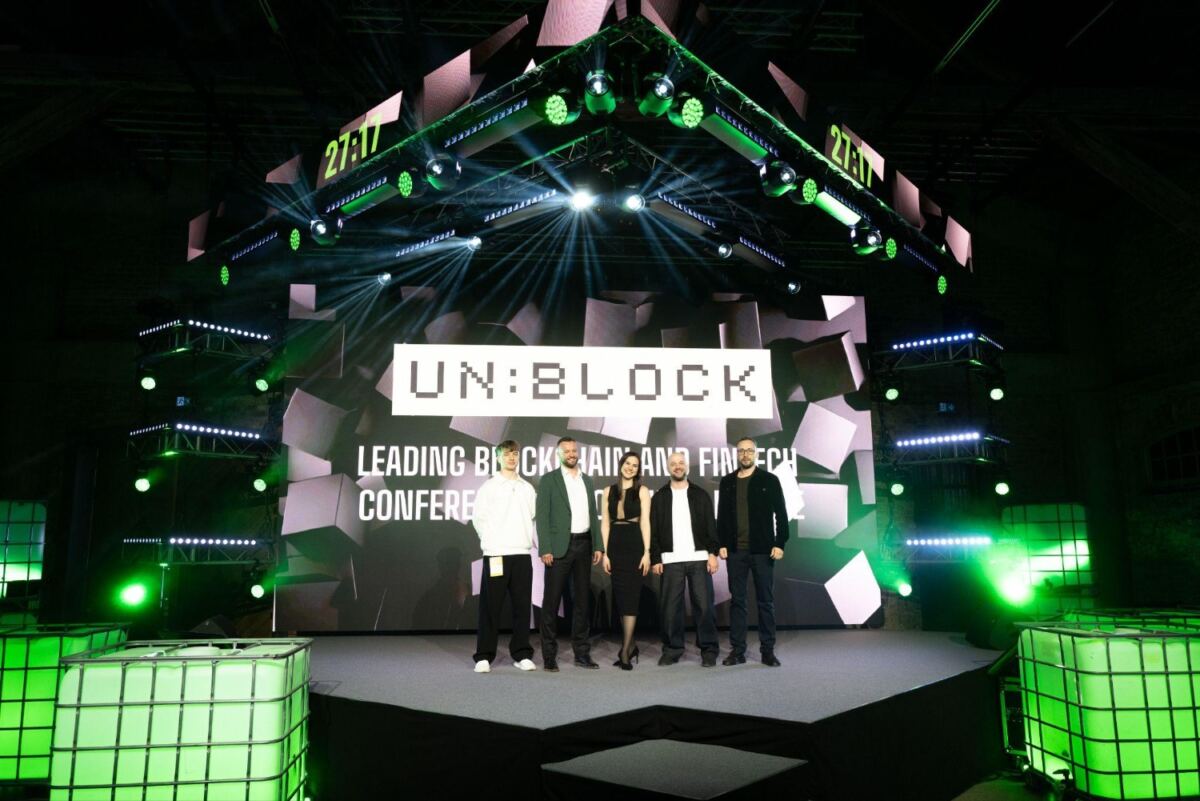
The infrastructure powering modern finance is undergoing a fundamental structural shift, blending decentralized networks with intelligent automation. For years, builders of payment rails and autonomous agents operated in distinct silos, attending different summits and speaking different technical languages.
UN:BLOCK has historically served as the gathering point for the European digital asset ecosystem, but market realities are forcing a necessary convergence. By integrating these isolated sectors, the event is actively reshaping how technology companies collaborate on a continental scale.
The Evolution of a European Hub
The conference originally built its formidable reputation by directly addressing the complexities of the Markets in Crypto-Assets (MiCA) framework in 2025. Over time, the organizers recognized that the companies building these digital assets needed to interact with traditional banking structures, leading to a massive fintech expansion in 2026. This careful, iterative growth allowed them to cultivate a dense network, reportedly connecting with 70 to 80 percent of the European crypto industry. Establishing this captive audience was the crucial first step toward building a broader technology ecosystem.
Now, that established audience of financial builders is actively seeking intelligent automation solutions to scale their operations. Adding an AI stage is not merely a trend-chasing exercise; it is a calculated response to the immediate commercial needs of the attendees. AI companies stepping into this environment are presented with a rare opportunity to pitch directly to a room full of well-capitalized fintech and crypto operators who desperately need what they build.
Why Agents and Payments Align
As artificial intelligence evolves toward agentic workflows, these systems increasingly require the ability to initiate and authorize financial transactions autonomously. The people building these autonomous agents are running straight into the same regulatory and technical hurdles that the crypto industry has spent the last five years solving.
UN:BLOCK 2027 provides the physical space where these two groups can negotiate technical standards and form structural partnerships. The new AI track specifically addresses the rise of intelligent automation and its profound implications for global value flows.
New for 2027, UN:BLOCK is launching a dedicated AI Stage built around three themes: the intersection of AI and finance, covering how AI is transforming payments, compliance, fraud and financial infrastructure; regulation and risk, covering AI governance, compliance and risk across Europe’s evolving regulatory landscape; and autonomous agents, covering AI agents transacting, negotiating and operating across Web3 ecosystems.
How AI Companies Can Take Part
AI builders can join UN:BLOCK 2027 in three ways: apply to speak on the AI & Agents stage, enter the startup pitch competition, or partner on the AI track.
Applications are open on the official website.
The convergence of these technologies means that AI companies can no longer afford to operate outside the financial regulatory conversation. “We are at the moment when we can’t just ignore it,” co-founder Davis Dargelis observed, underscoring the absolute necessity of bringing these builders together. By placing AI developers on stage in front of 3,000 attendees, the conference ensures that intelligent automation is seamlessly integrated into the next generation of payment infrastructure.
Capitalizing on the B2B Ecosystem
For technology companies deciding where to allocate their annual conference budget, the density of decision-makers is the most critical metric. In 2026, UN:BLOCK’s partner floor included Mastercard, Kraken and Gravity Team, exactly the payment and banking players AI agent builders need to integrate with.
The UN:BLOCK ecosystem is fiercely B2B-focused, with 90% of its attendees actively engaged in corporate decision-making and infrastructure development. This ensures that conversations move quickly from abstract theory to actionable partnership agreements and software integrations. Sponsoring or speaking at this event provides direct, unfiltered access to an audience that is actively looking to procure advanced technological solutions.
The strategic layout of the April 7-8 event further facilitates this commercial integration. By hosting dedicated B2B days and several planned side events, the schedule is optimized for deal-making across the AI, fintech, and blockchain sectors. AI companies that leverage this platform will secure a significant first-mover advantage in the European financial ecosystem.
The decision to introduce an AI stage at Europe’s leading crypto and fintech summit marks a pivotal moment for the technology sector. Autonomous agents and digital payments are on an inevitable collision course, and UN:BLOCK has positioned itself as the exact coordinates of that impact. Companies that recognize this convergence and actively participate in the ecosystem will dictate the future of automated finance.


