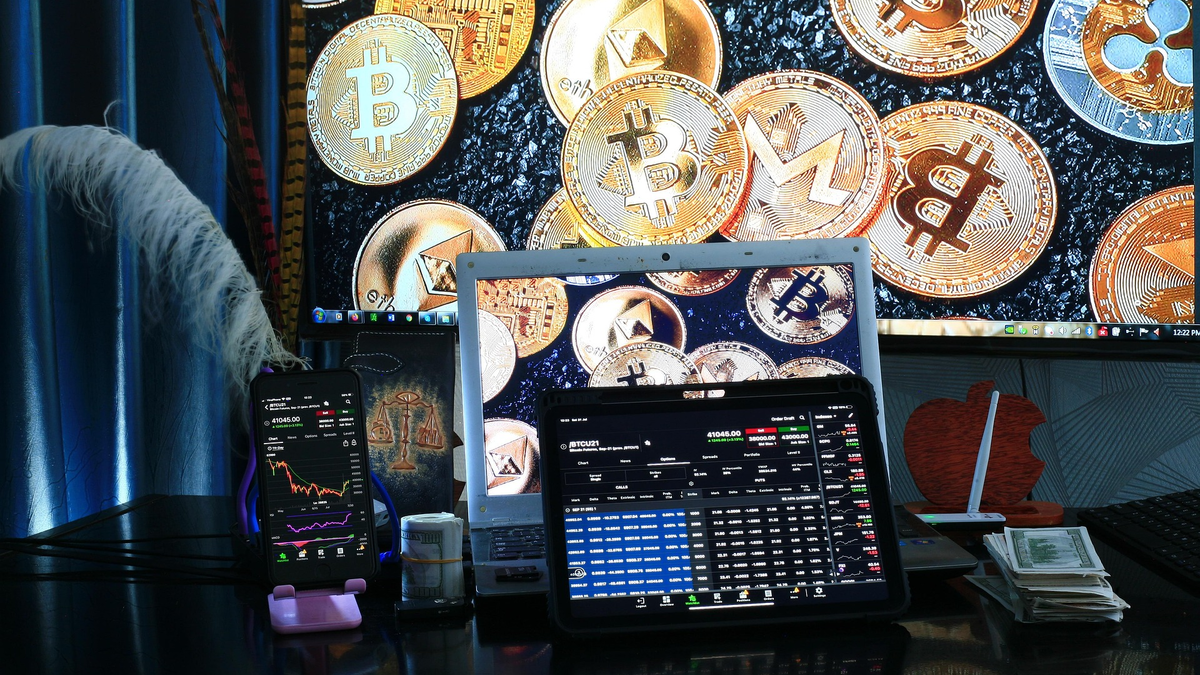
Global financial markets are witnessing a major sell-off, with Bitcoin plunging below $60,000 and gold recording its steepest weekly decline in months, as growing economic uncertainty and concerns over US interest rates shake investor confidence.
Bitcoin, the world’s largest cryptocurrency, dropped below the psychologically important $60,000 mark on Friday for the first time since July 2026. The cryptocurrency subsequently fell to around $55,830, its lowest level since September 2024, marking a significant setback for the digital asset market.
Bitcoin’s decline has also intensified pressure on other cryptocurrencies. Ethereum fell more than 5%, trading around $1,649, as investors continued withdrawing money from riskier digital assets.
Gold Prices Suffer Major Weekly Loss
Gold has also come under heavy selling pressure despite traditionally being considered a safe-haven investment during periods of financial uncertainty.
Spot gold declined around 8.9% during the week, while US gold futures recorded a weekly loss of approximately 9.3%. Gold futures settled near $3,539 per ounce on Friday, marking their worst weekly performance since March 2020.
Silver prices also weakened, falling to their lowest levels since September 2025 as investors reduced exposure to precious metals.
Why Are Bitcoin and Gold Prices Falling?
Analysts attribute the simultaneous decline in cryptocurrencies and precious metals to several factors, including rising US Treasury yields, expectations of higher interest rates, and growing concerns about inflation.
Higher interest rates make interest-bearing investments, such as government bonds, more attractive compared with assets like Bitcoin and gold, which do not generate regular income.
A stronger US dollar has added further pressure on dollar-denominated assets, making gold and cryptocurrencies less attractive to some investors.
Meanwhile, concerns over massive artificial intelligence investments and uncertainty about the profitability of the AI boom have triggered a wider reassessment of risk across global financial markets.
The latest downturn has raised fresh questions about the outlook for cryptocurrencies and precious metals, with investors closely watching US monetary policy, inflation data and developments in global technology markets.