A group of 21 financial institutions led by Goldman Sachs Group Inc. (GS) and Citigroup Inc. (C) has committed roughly $270 million to bankroll a new U.S.-chartered stablecoin issuer, according to people familiar with the matter cited by Bloomberg. The entity, operating internally under the codename Project Faro, is aiming for a commercial launch in the first half of 2027.
The capital is meant to cover the venture's first five years of operations. Banco Santander (SAN), Deutsche Bank (DB), Wells Fargo, Fidelity Investments, UBS and Lloyds Banking Group are among the participating lenders, giving the project a footprint spanning North America, Europe, East Asia, the Middle East and Africa. The consortium is now searching for a chief executive to run the business.
The initial product will be a dollar-pegged token, with the group planning to move into other G7 currencies afterward, starting with a euro offering. The token is designed for wholesale, institutional and retail users, targeting cheaper cross-border payments and digital asset settlement within frameworks set by the U.S. GENIUS Act and Europe's MiCA rules.
Note: Figures as reported by Bloomberg, citing people familiar with the matter.
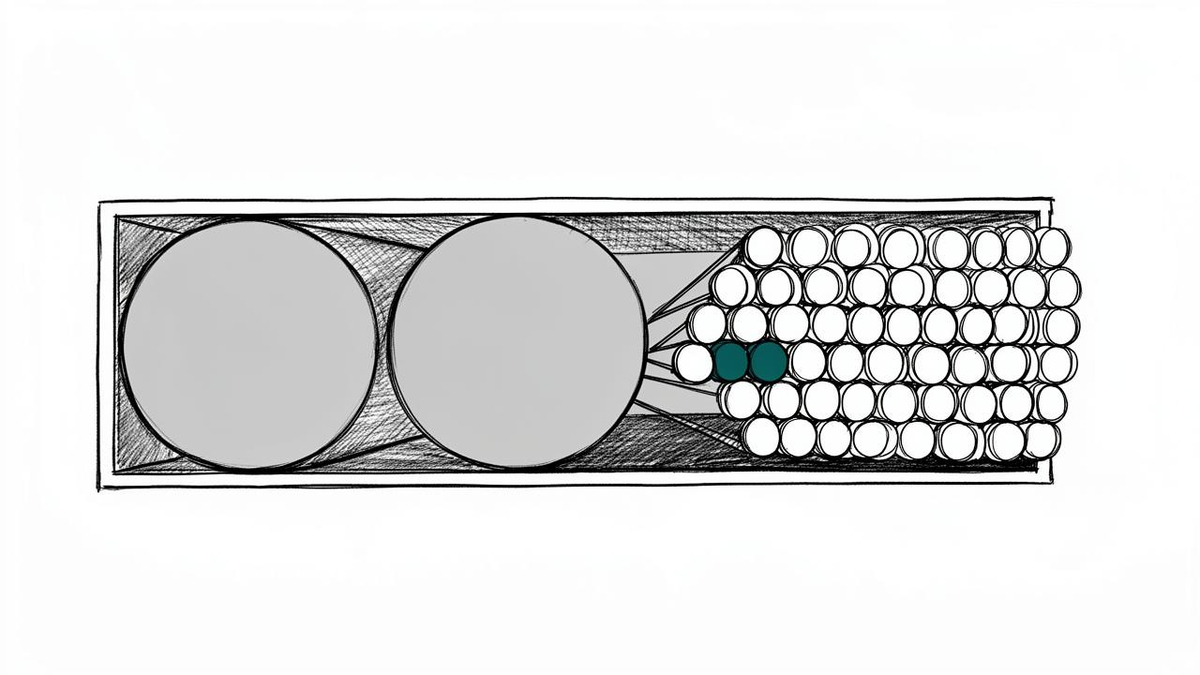
The consortium's main advantage may be the customer relationships and payment rails its member banks already operate. Even so, incumbents hold a commanding lead. Tether's USDT and Circle Internet Group Inc.'s (CRCL) USDC account for about 85% of circulation in a stablecoin market valued at roughly $290 billion.
Competition is building on several fronts. Visa, Mastercard and Stripe are among more than 100 companies backing stablecoin issuer Open Standard, and European lenders have set up Qivalis to develop a euro-denominated token.
The project grew out of exploratory work begun in late 2025 by a founding group of 10 lenders looking for reserve-backed settlement assets on public distributed ledgers. That group has since expanded, drawing in Bank of America alongside the other participants.
For the banks, the venture is a bet that regulated, reserve-backed tokens can win institutional payment flows away from crypto-native issuers. It also aligns with Washington's interest in dollar-denominated tokens as a tool for extending the greenback's reach and sustaining demand for short-term Treasury debt. Whether a bank-backed challenger can erode Tether's and Circle's share will depend on how quickly the consortium converts its balance sheets and client networks into actual transaction volume.