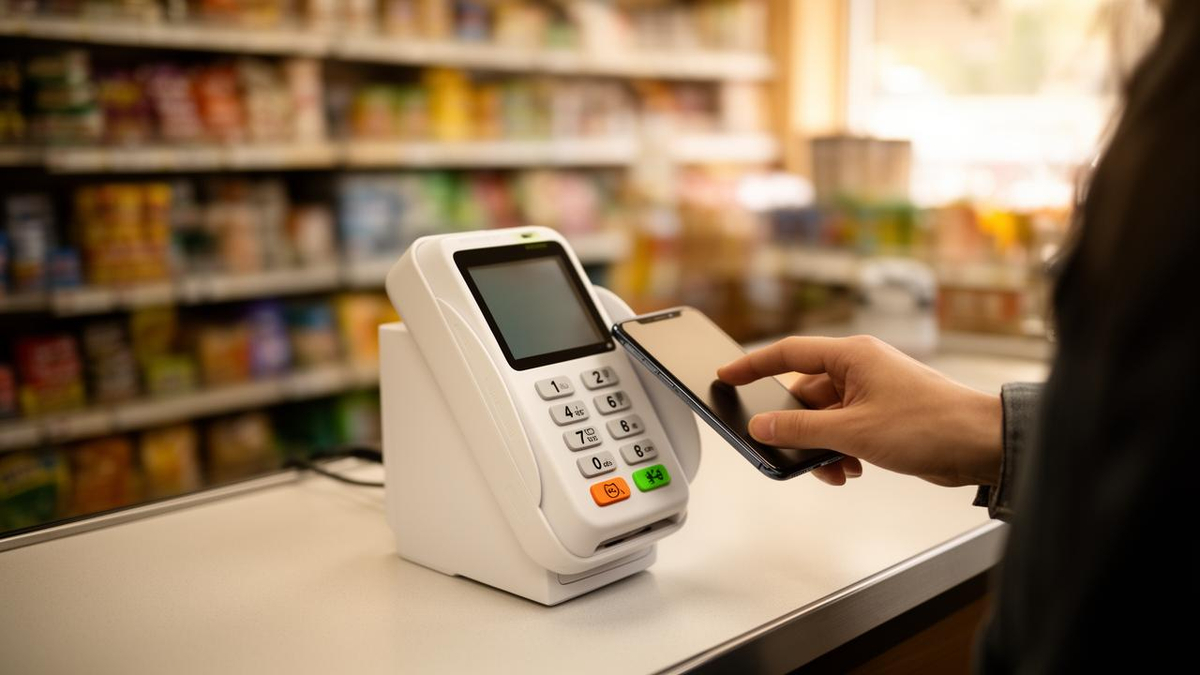
WEA JAPAN, which builds Web3 payment infrastructure, said it signed a memorandum of understanding (MOU) dated Nov. 23 with U.S. software company Hashgraph Foundry Inc. on technical cooperation for stablecoin payments. The two companies will look to incorporate technology from the public blockchain Hedera into payments at Japanese brick-and-mortar stores, exploring a mechanism for matching transaction records among merchants, payment providers and multiple ledgers.
As stablecoin payments spread across multiple blockchains and merchant systems, a challenge has emerged: store terminals, payment providers' ledgers and on-chain records are each managed separately, making it hard for the parties involved to confirm what was finalized and at what point. The two companies aim to verify smoother reconciliation and settlement starting from the concrete setting of physical stores.
There are two main pillars of the study. One is the use of the Hedera Consensus Service (HCS) to enhance the verifiability of transaction records generated in the payment process. HCS is positioned as a way to add verification functions to existing payment systems after the fact, with an architecture envisioned that would not require stores to make major changes to the point-of-sale systems they currently use. The other is a study of payment connectivity and interoperability between networks using cross-ledger technology that links different ledgers.
WEA JAPAN has developed stablecoin payment technology compatible with multiple blockchains and has been working with Netstars on payment services. This year it carried out in-store USDC payments at merchants in Haneda Airport's Terminal 3, and in August Netstars completed a proof-of-concept at Lawson stores spanning multiple tokens and networks. WEA JAPAN has obtained three Japanese patents related to stablecoin payments.
Hashgraph Foundry Inc. is a company that continuously supports Hedera's public network and develops technology for financial services solutions, interoperability between ledgers and tokenization. The MOU does not commit the parties to commercialization; it is positioned as a stage for first discussing use cases, technical architecture and verification methods for in-store payments in Japan. Commercialization and overseas expansion will be decided based on progress, with future use in overseas markets including the Asia-Pacific region also in view.
On the Hedera network, fees for writing payment verification records are set in dollar terms and converted into HBAR at the time of execution for payment. Even as stablecoin payments spread, the structure generates demand for HBAR each time a record is updated. Some market participants say how many in-store payment transactions come to be recorded on Hedera will be a litmus test for the expansion of its use.
In Japan, the regulatory framework for stablecoins is being put in place, and a framework for domestic circulation by operators registered as electronic payment instrument transaction service providers is starting to move. The accumulation of proof-of-concepts at everyday touchpoints such as airports and convenience stores will serve as material for gauging the potential for stablecoins to spread as payment infrastructure. On the other hand, the reconciliation and settlement processes that arise after an in-store payment is completed are hard for users to see, and the operational burden on businesses will determine whether adoption proceeds. How much cost reduction and risk reduction the improved verifiability touted by the two companies will bring to merchants depends on the design of future proof-of-concepts.
In the crypto asset market, partnership announcements involving the practical application of underlying technology tend to be watched as price catalysts. However, this agreement remains at the study stage, and no specific figures such as participating stores or transaction volumes have been disclosed. For investors, the next things to watch will be the timing of a commercialization decision and whether merchants and payment providers that actually handle payment records put their names to the project.
Once added, BigGo Finance appears first in Google Search Top Stories, so you get the broadest, most up-to-the-minute, and most comprehensive global financial news first.