The Full Benefits Desk desk. Editor: Gerelyn Terzo.
Picture a 62-year-old who files for Social Security the first month he can, then places every $2,100 check straight into Bitcoin (CRYPTO:BTC). His reasoning sounds tidy. The money compounds in a fast-growing asset, and the growth should beat the larger check he gave up by not waiting. He is a made-up example, but plenty of real retirees think the same way, and financial sites now print full columns asking whether to claim Social Security early and invest it.
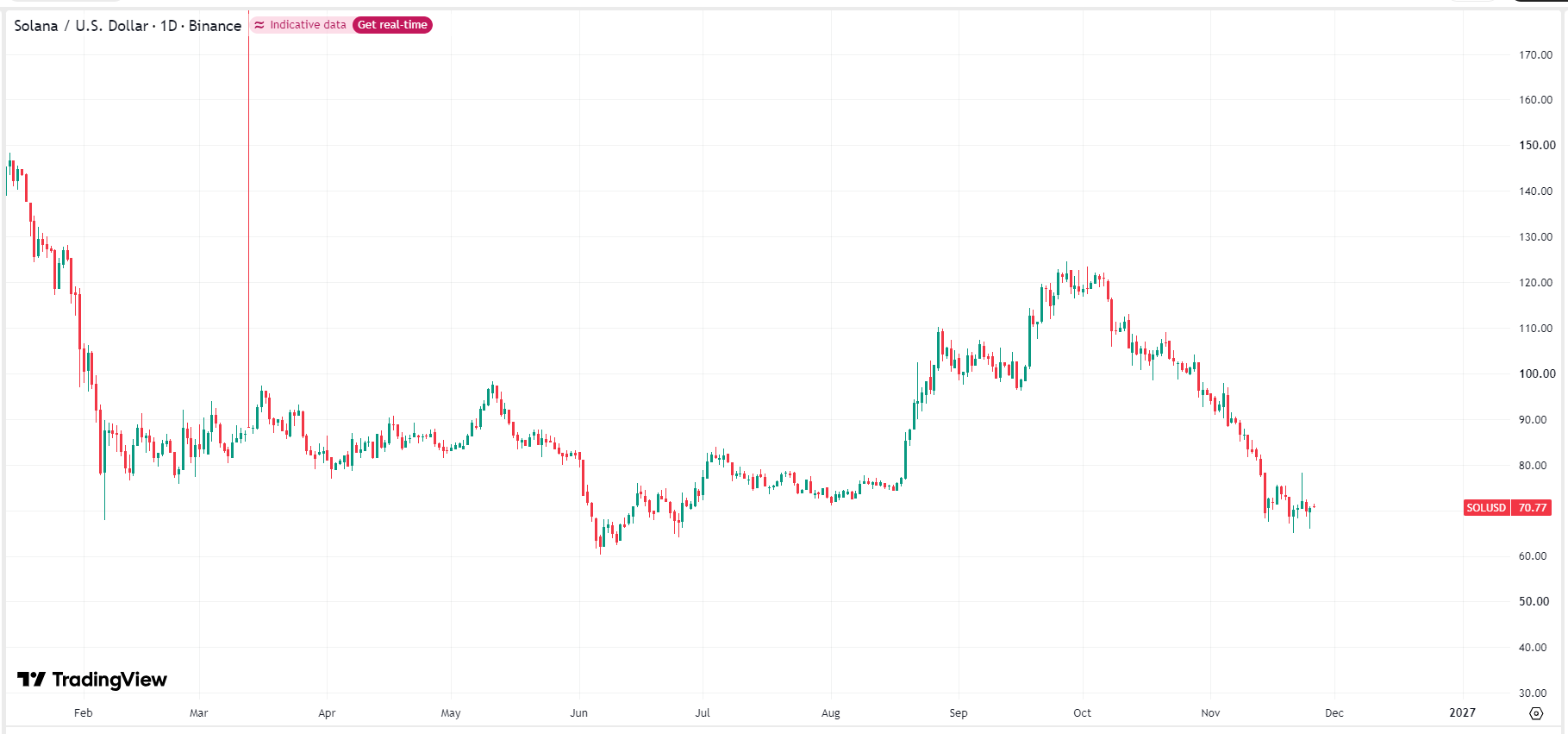
After 24 monthly checks, he has invested $50,400. Then November hit. Bitcoin started the month near $77,474 and now trades around $58,641.
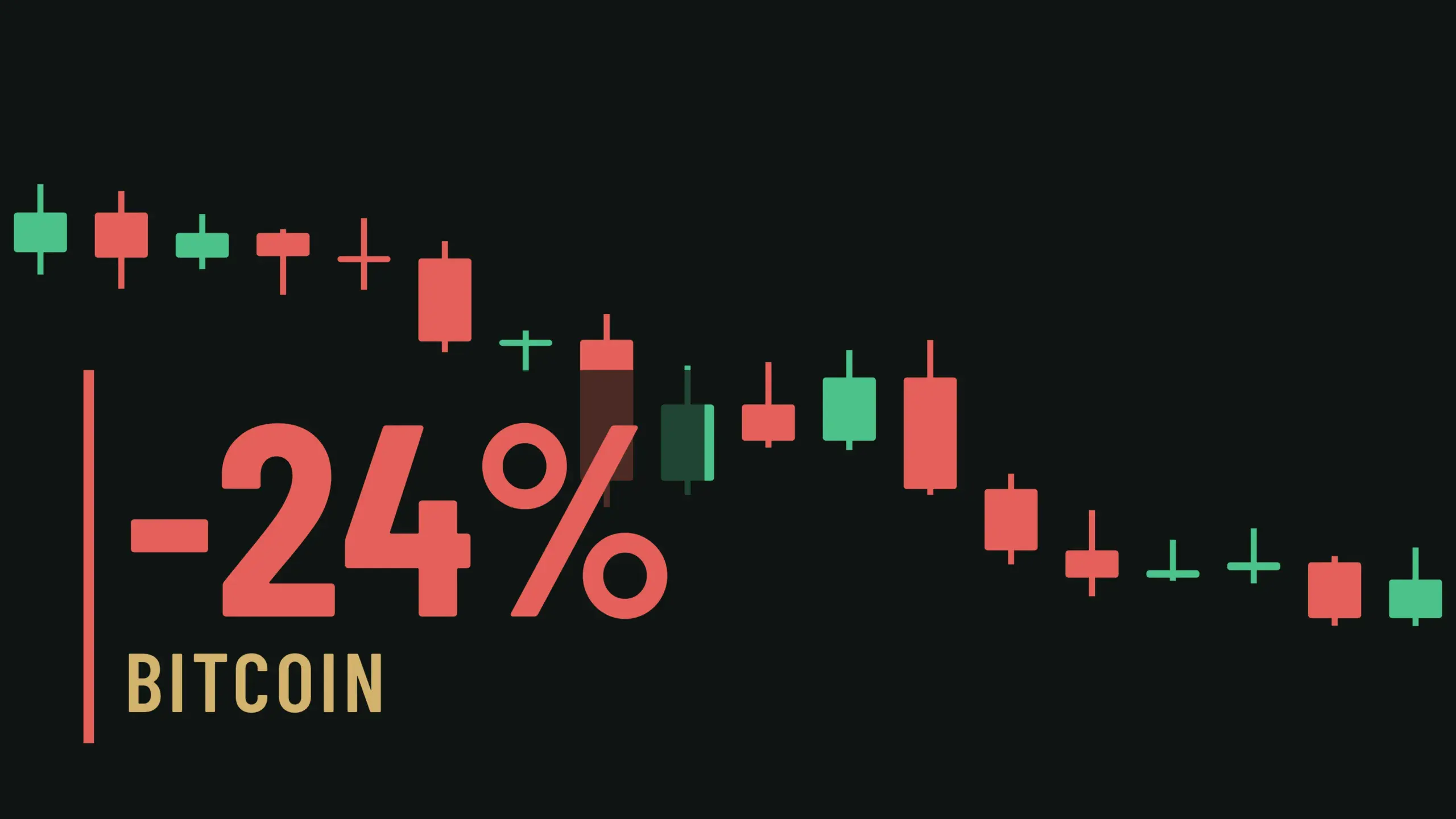
That is a drop of about 24% since the month began. Walter Bloomberg flagged it on X on Nov. 24: “Bitcoin falls below $60,000.” If his holdings were worth about what he had put in at the end of October, roughly $12,252 disappeared in under four weeks.
A $900 Monthly Gap That Follows Him for Life
Social Security cuts your monthly benefit for every month you claim before the age at which your benefit is unreduced. That age is 67 for people with birthdays in 1960 or later.
Social Security takes off 5/9 of 1%[1] for each of the first 36 months you claim early, then 5/12 of 1% for each month after that.
Claiming at 62 places you 60 months early, which works out to a 30%[1] cut that never goes away.
Now work backward. The agency’s own table shows a $1,000[1] full benefit falling to $700 at 62.
So a $2,100 check at 62 means his full benefit would have been $3,000.
That leaves him $900 a month short, or $10,800 a year, for as long as he lives.
The gap also grows over time. Because the raises are percentages, each one makes it larger. The 3.6% raise coming in 2027 turns $900 into about $932. Bitcoin offers no inflation adjustment and no floor.
Here is the back-of-the-envelope math on his head start. By 67 he will have collected $126,000 in early checks. At $900 a month, the larger check would need about 140 months to catch up. That places the break-even point at around age 79, before considering raises or investment returns. If he lives longer than that, waiting would have paid more, so his Bitcoin has to grow enough to cover the difference.
His Wife Could Inherit the Smaller Check
The cut can outlast him. If he dies first, his widow could receive whichever is larger: his reduced check or 82.5% of his full benefit, assuming she claims at her survivor full retirement age (FRA). On a $3,000 full benefit, that cap is $2,475 a month.
Had he waited until 67, she could have received the full $3,000 once she reached the age for an unreduced benefit. That is $525 a month less, possibly for decades.
When Selling Bitcoin Raises the Tax on His Checks
Spending the Bitcoin later creates another problem. Profits from selling count toward what the IRS calls provisional income: roughly half your Social Security plus your other income. Once that passes $25,000 for a single filer or $32,000 for joint filers, part of his benefit becomes taxable. A strong year for Bitcoin could raise the tax on the same checks that paid for it. A bad year could force him to sell at a loss just to pay bills.
Consumer advocate Clark Howard has described the long-term version of this problem: “People overwhelmingly take Social Security at age 62, and later in life, if they are blessed with long life, they don’t have enough money coming in every month.”
Weighing a Guaranteed Check Against a Volatile Asset
His two choices carry very different risks. One is a guaranteed check that grows with inflation and lasts as long as he and his wife do. The other is an asset that lost about a quarter of its value in a single month. Investing early checks can still come out ahead if returns are strong or his life is short. The claiming decision is the part that’s hardest to undo, though. Social Security lets you cancel an application only within 12 months[2] of approval, and at 64 he is past that window.
He still has one option once he reaches 67. He can voluntarily suspend his benefits until 70, earning delayed retirement credits that recover part of the early-claiming cut. That matters most if he expects to live a long time or wants a larger survivor check for his wife. Personal details like health, marriage and other savings can each change which path makes more sense, so it’s worth running his own numbers before deciding.
Contact [email protected] for any questions or corrections.
Gerelyn Terzo is the author of dividend investing handbook "Dividend Investing Strategies: How to Have Your Cake & Eat It Too." A veteran financial journalist, she covers agri-finance for outlets like Global AgInvesting and the broader stock market and personal finance for 24/7 Wall Street. She began at CNBC and later helped launch Fox Business in New York. Gerelyn currently resides in Woodland Park, Colorado and dabbles in nature photography as a hobby.