Summary
- Brokerages said Samsung Electronics and SK Hynix shares could extend their slide and semiconductor-stock volatility could widen as the US moves to tighten AI data center regulation and concerns grow over a sharp drop in memory demand.
- Analysts said foreign ownership of semiconductor stocks has fallen and that there is room for further declines, with volatility likely to persist in a semiconductor rebalancing phase driven by flows and market narratives.
- The securities industry advised investors to ease portfolio concentration by adding semiconductor alternatives such as construction, shipbuilding, insurance, banking and retail, sectors that offer earnings growth or a hedge against interest-rate risk.
Forecast Trend Report by Period
Retail Panic Hits Samsung and SK Hynix on Data Center Slowdown Fears
Fallout From a US Blue Wave
Push to Tighten AI Data Center Regulation
Concerns Spread Over a Sharp Drop in Memory Demand
Brokerages See Bigger Volatility for Now
Construction and Shipbuilding Floated as Alternatives
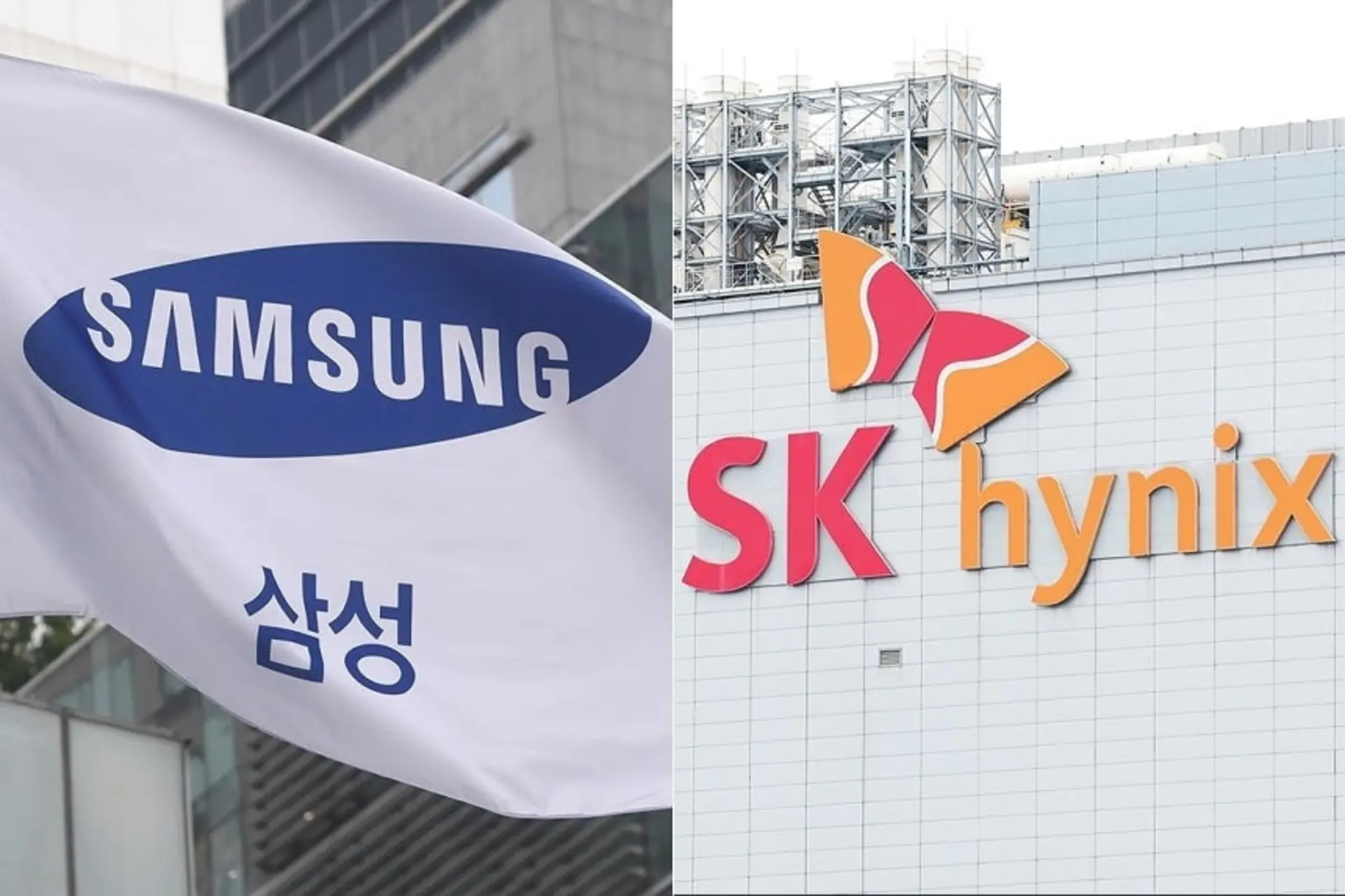
Shares of semiconductor heavyweights Samsung Electronics and SK Hynix plunged as moves to tighten regulation of artificial intelligence data centers, especially in the US, rattled sentiment. Brokerages say chip stocks may remain volatile for the time being and are urging investors to consider other sectors such as construction and shipbuilding, where earnings are still improving.
According to the Korea Exchange, Samsung Electronics closed at 188,700 won ($136) on Nov. 6, down 6.35% from a day earlier. SK Hynix fell 10.44% to 1,132,000 won ($817). Based on closing prices, Samsung sank to its lowest since April 3, when it finished at 186,200 won, while SK Hynix marked its weakest close since April 20, when it ended at 1,166,000 won. From their recent peaks, the two stocks have tumbled 49.61% and 61.73%, respectively.
After Democrats took control of both chambers of Congress in the US midterm elections, expectations grew that regulation of AI data centers would tighten. That fueled concern that memory demand could contract sharply, slowing profit growth at Samsung Electronics and SK Hynix.
The weaker-than-expected earnings outlooks from US chip designer Qualcomm and British semiconductor company Arm also deepened doubts over the durability of AI spending.
“The semiconductor sector is facing heavier pressure from concerns that elevated margins driven by fast investment and bottleneck benefits may reverse, along with the possibility that customers may adjust capital spending,” Hwang San-hae, an analyst at LS Securities, said. Even if no change in fundamentals has been confirmed yet, he added, the event is large enough to alter the market’s tone, meaning volatility could persist on narrative and flows alone.
Those uncertainties have kept foreign investors selling chip shares. Foreign investors dumped 96 billion won ($69.2 million) worth of Samsung Electronics shares and 1.8289 trillion won ($1.32 billion) of SK Hynix on Nov. 7. So far this year, they have been net sellers of 90.3195 trillion won ($65.1 billion) and 97.806 trillion won ($70.5 billion) of the two stocks, respectively.
Eugene Investment & Securities said foreign ownership of semiconductor shares stood at 46.6% as of Nov. 6, the lowest level since 2013. It had climbed into the 55% range in June 2024, early in the expansion phase of the AI cycle, and has fallen steadily since then.
In past semiconductor cycles, foreign ownership often declined after the expansion phase moved beyond its late-stage peak, said Huh Jae-hwan, an analyst at Eugene Investment & Securities. During the IT revolution cycle from 2003 to 2006 and the Covid-19 cycle from 2020 to 2022, ownership kept falling even in the contraction phase after expansion ended, he said, meaning investors should leave room for further declines.
Brokerages say investors may need to turn to other sectors with earnings growth while semiconductor shares remain volatile.
Since late June, when semiconductor stocks moved past their peak, sectors that have seen foreign ownership rise include construction, insurance and shipbuilding, where upgrades to operating-profit estimates have outpaced the Kospi, as well as retail, a domestic consumption play, Huh said. Those sectors could serve as alternatives during a period of rebalancing away from semiconductors.
Han Ji-young, an analyst at Kiwoom Securities, said strength on Nov. 5 in beaten-down sectors such as nonferrous metals and timber, healthcare, software and autos is also worth watching.
“Investors need a strategy that eases concentration in AI-themed and semiconductor-heavy portfolios and lowers volatility,” Kim Jae-seung, an analyst at Hyundai Motor Securities, said. “That means adding banking and insurance shares, which have limited AI exposure and can hedge interest-rate risk.”
Korea Economic Daily