Published: November 27, 2026 - 01:14 PM GMT+3
Reading time: 2 min
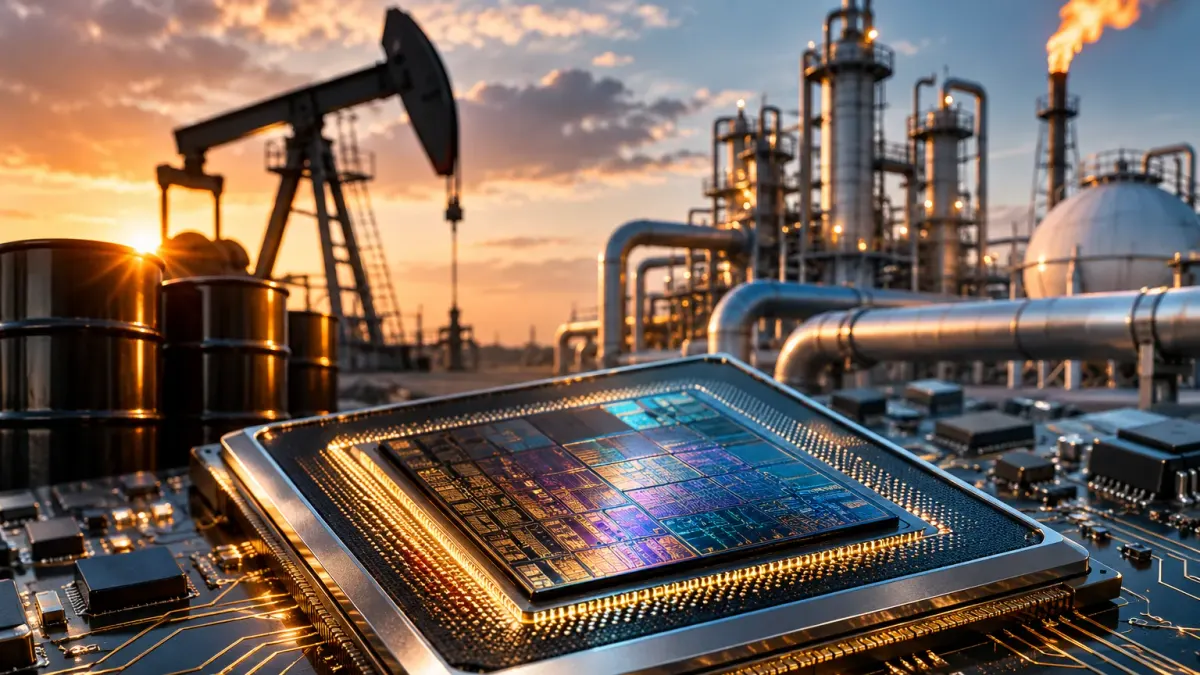
Growing demand for artificial intelligence technologies is beginning to reshape global trade. According to Deutsche Bank research based on International Trade Centre (ITC) data, which returned to the spotlight on November 26, 2026, global semiconductor exports surpassed the combined value of oil and natural gas exports for the first time in modern history. In the four quarters ending in the second quarter of 2026, chip exports reached approximately $1.6 trillion, while oil and natural gas exports stood at $1.47 trillion.
Artificial Intelligence Demand Is Reshaping Global Trade
According to figures from Deutsche Bank's research, semiconductors overtook oil and gas in the first quarter of 2026. Based on rolling four-quarter totals, chip exports reached $1.61 trillion, compared with $1.53 trillion for oil and natural gas exports. The gap between the two sectors widened to $130 billion in the second quarter.
Data center investments by artificial intelligence companies are supporting demand for advanced processors and memory chips. Disruptions to oil shipments through the Strait of Hormuz have also been cited as a factor behind the changing dynamics of energy trade.
The semiconductor industry's influence on financial markets is becoming increasingly evident. In its November 24 report, Kriptofoni noted that Taiwan's stock market recorded a historic gain following Nvidia's rally, while TSMC shares reached their 10% daily price increase limit.
Deutsche Bank Discusses the Chip Dollar Beyond Petrodollars
Jim Reid, Deutsche Bank's global head of macro and thematic research, suggested that the concept of the chip dollar should increasingly be considered alongside the petrodollar, which has shaped discussions about the global financial system for decades.
According to Deutsche Bank's assessment, some of the dollar revenues generated by Asian semiconductor exporters could flow into US technology companies, startups and data center investments.
Under the traditional petrodollar system, energy exporters' investments in US government bonds played an important role. The allocation of semiconductor export revenues toward technology stocks could instead reshape global capital flows and the distribution of risk across financial markets.
Kriptofoni Assessment
Semiconductor exports surpassing energy exports demonstrate the growing role of technology in the global balance of economic power. The concentration of capital flows around artificial intelligence and technology companies could also indirectly affect Bitcoin and other cryptocurrencies.
However, growth in the technology sector does not necessarily translate into rising cryptocurrency prices. Capital demand from artificial intelligence investments, US Treasury yields, the dollar's performance and global liquidity conditions could become decisive factors for risk assets going forward.
Spotted an error? Let us know · Our editorial standards
Disclaimer: This content is for informational purposes only and is not investment advice. Cryptocurrencies are high-risk; make investment decisions based on your own research.
Content Editor and Writer
Dr. Mesut İnan is a researcher, academic, and cryptocurrency journalist. Producing content in the cryptocurrency space since 2018, he combines his expertise in sociology with the crypto ecosystem to bring an original and analytical perspective to the industry. Prior to joining Kriptofoni in 2024 as a co-founder, content editor, and writer, he served as an editor and writer across various cryptocurrency media platforms. Authored "Bitcoin Sen Bizim Her Şeyimizsin"—a book dedicated to Bitcoin that makes a meaningful contribution to the ecosystem—İnan is recognized among prominent figures in national and international cryptocurrency journalism through his academic background alongside regular analysis, reporting, and commentary. Continuing his work as an author and educator, Dr. Mesut İnan remains a prominent voice in the cryptocurrency sector, contributing ongoing insights to the field.