Digital assets have become an important part of how people manage money, explore investment opportunities and participate in online markets. Cryptocurrencies, digital tokens and blockchain-based products offer new possibilities, but making the most of them requires more than simply buying and holding.
Technology plays a central role in how these assets are stored, monitored and managed. From automated portfolio trackers to security tools and market analysis platforms, investors now have access to resources that were once available mainly to financial professionals.
The challenge is knowing which tools are genuinely useful and how to apply them without adding unnecessary complexity. A thoughtful approach can help investors make better decisions, reduce avoidable risks and manage their digital assets more efficiently.
Understand Your Digital Assets Before Choosing Technology
Not all digital assets work the same way. Bitcoin, Ethereum, stablecoins and other digital tokens have different purposes, underlying technologies and risk profiles. Understanding these differences is essential before deciding which platforms or tools to use.
Bitcoin is often viewed as a decentralized digital asset with a limited supply, while Ethereum supports applications that use smart contracts. Stablecoins are designed to maintain a relatively stable value against another asset, although their reliability depends on reserves, redemption mechanisms and market conditions.
These distinctions influence how investors should monitor and manage their holdings. Someone holding Bitcoin for several years may prioritize secure storage and long-term performance tracking. An investor participating in decentralized finance may need tools that monitor smart contract exposure, transaction costs and protocol activity.
A useful starting point is creating a complete inventory of digital holdings. Record the type of asset, purchase price, storage location and intended purpose. This makes it easier to identify which technology can improve your management process rather than adding tools simply because they’re popular.
Use Portfolio Tracking Tools to Make Better Decisions
Managing digital assets across multiple exchanges and wallets can quickly become confusing. Prices change throughout the day, transactions occur on different networks and individual holdings may become difficult to track accurately.
Portfolio management platforms help organize this information in one place. Tools such as CoinGecko, CoinMarketCap and CoinStats offer features for monitoring asset prices, tracking portfolio performance and reviewing market activity.
Instead of checking several accounts individually, investors can use a consolidated dashboard to understand their overall exposure.
These tools are particularly useful for identifying portfolio imbalances. For example, a cryptocurrency that increases substantially in value may eventually represent a much larger percentage of your holdings than originally intended. Without regular monitoring, this concentration can go unnoticed.
Price alerts can also provide useful information without requiring constant screen time. Rather than watching market movements throughout the day, investors can set notifications for significant price changes or predetermined thresholds.
However, tracking more data doesn’t automatically produce better decisions. The most useful information is often straightforward: current allocation, historical performance, transaction costs and exposure to individual assets.
Improve Security With the Right Digital Tools
Security deserves as much attention as investment performance. Unlike traditional bank accounts, cryptocurrency wallets often place greater responsibility on users to protect their own access credentials and recovery information.
A stolen private key or exposed recovery phrase can lead to irreversible losses.
Hardware wallets, including devices from Ledger and Trezor, provide ways to store private keys offline. These tools can reduce exposure to certain online attacks, although users must still protect recovery phrases and verify transactions carefully.
Two-factor authentication adds another layer of protection to exchange accounts. Authentication applications or physical security keys are generally preferable to relying solely on SMS verification, which can be vulnerable to phone-number hijacking.
Password managers can also help by generating and storing unique credentials for different platforms.
Security involves everyday habits, too. Investors should verify website addresses before connecting wallets, avoid opening suspicious links and review requested transaction permissions before approving them.
For additional context, the Federal Trade Commission (FTC) provides consumer guidance on recognizing cryptocurrency scams, fraudulent investment offers and other digital financial threats.
No security tool can eliminate every risk, but combining reliable technology with careful account management substantially improves protection.
Use Trading Technology Without Losing Control
Digital trading platforms have made cryptocurrency markets more accessible. Investors can review prices, analyze historical movements and execute transactions from their computers or smartphones.
However, easier access doesn’t necessarily mean better investment outcomes. The convenience of buying and selling assets within seconds can encourage impulsive decisions, particularly during periods of high volatility.
Before using a platform to trade crypto, investors should understand its transaction fees, available order types, security features and withdrawal procedures. These factors can influence the overall experience and the actual cost of each transaction.
For example, limit orders allow users to specify the price at which they’re willing to buy or sell an asset. This provides greater control than market orders, which prioritize immediate execution but may result in less favorable prices during volatile conditions.
Some platforms also offer automated trading features. While these tools can execute predefined strategies, they cannot guarantee profits or eliminate market risk.
The best approach is to establish clear rules before making transactions. Decide how much capital you’re prepared to risk, which conditions justify a purchase or sale and when it makes sense to leave your holdings untouched.
Technology should support these decisions, not make them for you.
Analyze Blockchain Data for Greater Transparency
One of the distinctive features of public blockchain networks is the ability to examine transaction activity directly.
Blockchain explorers such as Etherscan and Blockchain.com allow users to review transactions, wallet addresses, network activity and other publicly available information.
This transparency can be valuable when verifying whether a transaction has been confirmed or examining how tokens move between addresses.
More advanced analytics platforms provide additional insights into network usage, transaction volumes and activity associated with certain blockchain applications.
Still, blockchain data requires careful interpretation. A large transaction doesn’t necessarily indicate that an investor is buying or selling, and increased network activity doesn’t always translate into higher asset prices.
Rather than treating individual indicators as predictions, investors should use blockchain analytics to develop a more complete understanding of the assets they hold.
Keep Accurate Records With Digital Accounting Tools
Digital asset management also involves administrative responsibilities that are easy to overlook.
Every purchase, sale, exchange or transfer can generate information worth keeping, particularly when calculating investment performance or preparing tax records.
Crypto accounting tools such as Koinly and CoinTracker can help users organize transaction histories across supported platforms and wallets.
These systems may calculate gains and losses, identify transaction dates and provide reports that simplify recordkeeping. However, imported information should still be reviewed for missing transactions, incorrect classifications or transfers mistakenly treated as sales.
Maintaining accurate records throughout the year is considerably easier than reconstructing an entire transaction history months later.
Build a Technology Strategy That Fits Your Goals
The most effective digital asset strategy isn’t necessarily the one that uses the greatest number of platforms. It’s the one that combines useful technology with consistent decision-making.
A long-term investor may need little more than secure storage, portfolio monitoring and reliable transaction records. Someone who trades more frequently might benefit from advanced order management, market alerts and detailed performance analytics.
Whichever approach you choose, review your tools periodically. Security standards change, platforms introduce new features and your financial priorities may evolve.
Digital assets present opportunities, but they also involve substantial uncertainty. Technology can improve visibility, reduce administrative work and strengthen security, yet it cannot remove the possibility of financial loss.
Ultimately, getting more from your digital assets means using the right tools for specific purposes, understanding their limitations and maintaining control over every important financial decision.
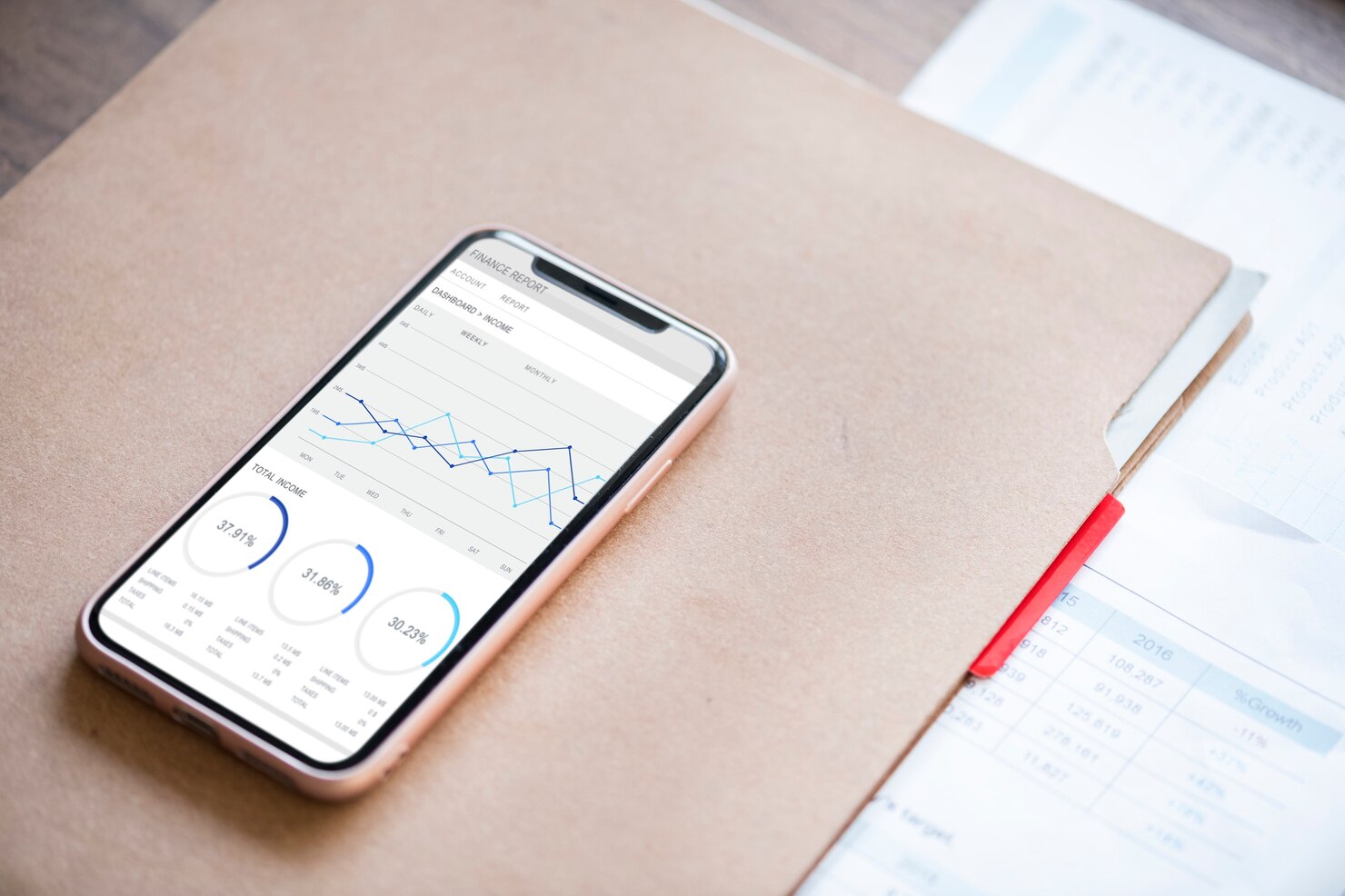
Editor’s Note: The opinions expressed here by the authors are their own, not those of Impakter.com — In the Cover Photo: Portfolio tracking tools help digital asset investors monitor holdings and performance. — Cover Photo Credit: rawpixel