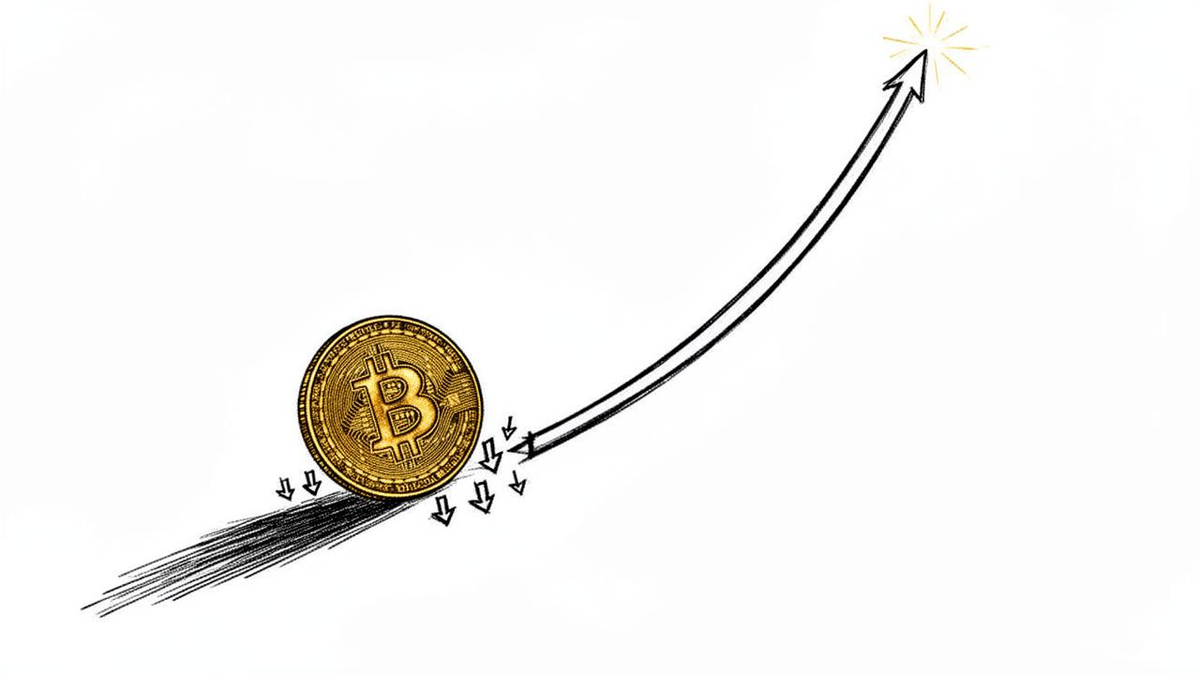
James Lavish, co-founder of the Bitcoin Opportunity Fund, has issued a long-term forecast that Bitcoin (BTC) could climb to $400,000–$500,000 by mid-2029. In a report published November 11 by crypto media outlet Cointelegraph, he said that even under a conservative scenario, Bitcoin would reach $200,000–$300,000.
Lavish based his targets on historical market cycles and long-term price trends in an interview with Bitcoin Magazine. Noting that Bitcoin has typically peaked about three years after a cycle low, he said he derived his price range by applying a level one standard deviation above the trendline in a long-term power-law model. "If we don't see $200,000–$300,000 by then, it would be truly shocking," he said.
Near term, however, he sees considerable selling pressure. If inflation proves sticky, the Federal Reserve could raise rates by as much as 50 basis points (0.5 percentage point) in December, and higher rates could pull money out of risk assets and weigh on Bitcoin and gold prices. Rising energy costs are another burden, he said.
Still, Lavish expects the tightening cycle to end eventually. Widening US fiscal deficits and the need to refinance debt should fuel monetary expansion over the long term, enhancing Bitcoin's appeal as a hedge against currency debasement, according to his thesis. Growing institutional adoption should also support the uptrend. He cited JPMorgan's long-term bullish view on Bitcoin as a signal of expanding institutional acceptance, adding that such moves by major banks could prompt portfolio managers to allocate 1–2% of their portfolios to the asset.
Lavish believes Bitcoin has already passed its bottom. His long-term targets rest on the view that the market has moved through the cycle low and entered an upswing.
The forecast comes as appetite for risk assets has been dampened by recent interest-rate uncertainty. While acknowledging the possibility of a short-term correction, Lavish has anchored his outlook on the long-term cycle and institutional inflows. As such, crypto-market participants see the outcome of the Federal Reserve's December meeting and the pace of institutional fund flows as the key variables that will determine the market's direction.