Summary
- The Democratic wave in the U.S. midterm elections has increased the possibility that the Trump administration will press allies to shoulder more defense costs.
- Concern over the Democrats’ possible tougher AI regulation triggered concentrated selling in AI and semiconductor-related stocks in Tokyo.
- Uncertainty for Japanese stocks and companies has grown on concerns over President Trump’s tariff policy and a possible slowdown in AI investment.
Forecast Trend Report by Period
Diplomatic and Economic Uncertainty Deepens
Chip Stocks Tumble on AI Regulation Fears
Japan is on edge after the Democratic wave in the U.S. midterm elections on November 3. The concern is that President Donald Trump, blocked from advancing his domestic agenda, could step up pressure on allies in search of foreign-policy wins. In Tokyo, semiconductor-related shares plunged as the prospect of tighter Democratic regulation of artificial intelligence came into focus.
Trump, Hemmed In by Congress, May Increase Pressure
Japan’s government believes the Trump administration may become even less predictable after the midterm elections, the Asahi Shimbun and Yomiuri Shimbun reported on November 4. If Congress blocks budget and legislative measures, Tokyo believes Trump may try to leave a political legacy in foreign affairs and security, where presidential discretion is broader.
A senior official at the prime minister’s office said, “If Congress stops moving, he may unleash his energy in other areas such as diplomacy and security.” Another senior official there voiced concern that Trump could intensify pressure so he can say he got money from Japan.
Japan must work through major security issues with the U.S. by year-end. The Trump administration has been pressing allies to spend 3.5% of gross domestic product on defense. In revisions to three security-related documents due this year, Japan is seeking U.S. understanding for omitting any explicit target of 3.5% of GDP over the next five years.
Tokyo is also aiming to reach a deal this year on host-nation support for U.S. forces in Japan, which would apply from fiscal 2027. If Trump, weakened by the election, tries to present increased burden-sharing by allies as a domestic political achievement, Japan’s negotiating burden could rise.
Trump’s push to improve ties with China and Russia is also fueling concern in Japan. He is set to hold his third summit of the year with Chinese President Xi Jinping on the sidelines of the Asia-Pacific Economic Cooperation summit in Shenzhen in mid-November. The possibility of a meeting with Russian President Vladimir Putin, or even a three-way U.S.-China-Russia summit, is also being discussed.
Japan, whose ties with China and Russia have worsened, is wary of those moves. A senior Japanese Foreign Ministry official told the Asahi Shimbun that closer coordination among the U.S., China and Russia “does not sit well” with Tokyo. The fear is that if dealmaking among major powers takes priority, Japan’s security interests may not be fully reflected.
North Korea is another variable. Trump has shown a positive attitude toward meeting North Korean leader Kim Jong Un, and in August ordered a shorter duration for South Korea-U.S. joint military drills. Japan is trying to avoid any deal on North Korea’s nuclear and missile programs that leaves Tokyo out.
Developments in the Middle East are also tied to Japan’s security. During the U.S. attack on Iran, American forces shifted to the region, creating a “vacuum of power” in the Indo-Pacific, the Asahi Shimbun said. If large-scale strikes on Iran resume, U.S. military attention and resources could again be drawn into the Middle East. For Japan, maintaining U.S. engagement in the Indo-Pacific has become a central task.
Nikkei Drops More Than 2,200 Yen Intraday on AI Regulation Concerns
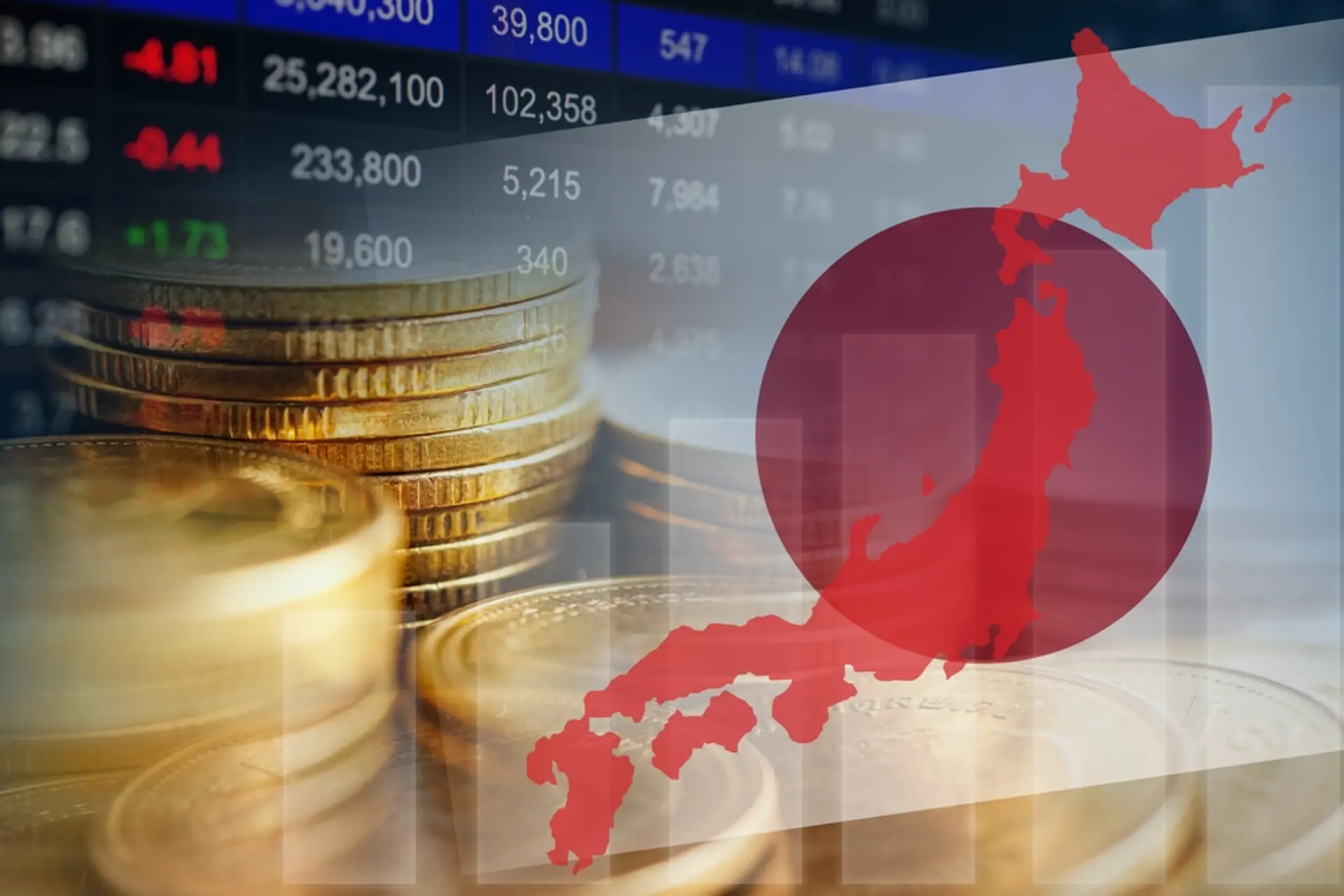
Caution was also evident in the economy and financial markets. The Nikkei 225 fell more than 2,200 yen intraday from the previous session and at one point slipped below 61,000. Selling was concentrated in AI and semiconductor names including Kioxia Holdings, SoftBank Group and Tokyo Electron.
The move reflected concern that Democratic control of Congress could slow AI investment. In the U.S., rising electricity costs tied to the rapid expansion of data centers have emerged as an election issue. Investors are watching whether Democrats will step up scrutiny of the Trump administration, which had treated AI investment as a growth driver and taken a cautious approach to regulation, raising the possibility of new rules.
Uncertainty over tariff policy also remains. The Yomiuri Shimbun said Trump, constrained by Congress in other policy areas, could put greater emphasis on tariffs, where presidential authority is stronger. In August, Trump said tariffs on Canadian automobiles would be raised to 50% from 25% starting in January, a move that could affect Japanese automakers operating in North America.
Still, voter dissatisfaction with tariff policy was one factor behind the Republican defeat, meaning calls could also emerge within the party to revisit the policy. Japan now faces the task of tracking both policy shifts driven by stronger congressional checks on the U.S. administration and the direction of the diplomatic and trade powers Trump can still wield on his own.
Choi Man-su, Tokyo correspondent, Korea Economic Daily, [email protected]
Korea Economic Daily