PiCK
Summary
- The US Congress said it is considering including provisions in the NDAA to restrict advanced semiconductor exports to China.
- Nvidia and other semiconductor companies are concerned that the Chip Security Act and export restrictions on semiconductor manufacturing equipment could raise production costs.
- US cloud companies such as Microsoft and Amazon are viewing the situation as an opportunity, expecting an increase in domestic supply of advanced semiconductors if exports to China are restricted.
Forecast Trend Report by Period
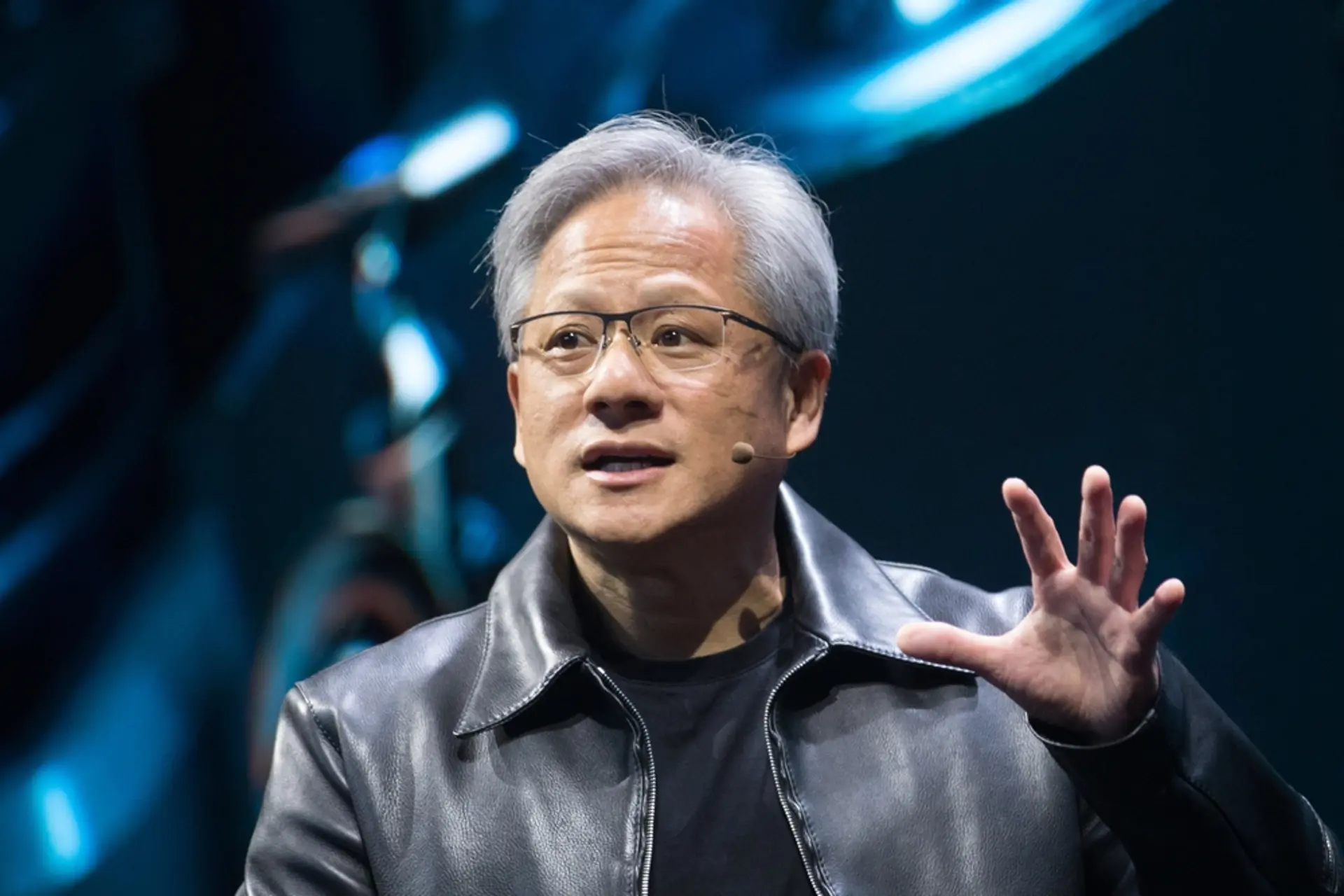
Allegations linking Nvidia Chief Executive Officer Jensen Huang to a suspected Chinese spy are shaping debate in the US Congress over tighter restrictions on advanced semiconductor exports to China.
Politico reported on November 11 that Congress is considering whether to include provisions restricting advanced chip exports to China in the National Defense Authorization Act, or NDAA, which is due to be passed by year-end. The allegations that Huang had a private relationship with a person suspected of being a Chinese spy have also increased pressure on Nvidia’s efforts to oppose the curbs.
Representative Brian Mast, chairman of the House Foreign Affairs Committee, told reporters the allegations had weakened Huang’s lobbying against export controls by “100%.” House Speaker Mike Johnson and House Democratic Leader Hakeem Jeffries also expressed support for adding semiconductor export-control provisions to the NDAA. The episode, Mast added, made more people aware of an issue that had previously drawn little attention.
A leading proposal under consideration is the Chip Security Act, which would require advanced semiconductors to include location-identification and tracking functions. The bill is backed by Representative Bill Huizenga and Senator Tom Cotton and is aimed at blocking the smuggling of advanced chips into China. Nvidia and other chipmakers are concerned the measure could raise production costs.
Lawmakers are also discussing tighter export restrictions on semiconductor manufacturing equipment, requiring allies to adopt rules similar to those of the US, and giving Congress a role in reviewing export licenses for advanced artificial intelligence chips. But those measures are running into difficulty in legislative negotiations because of opposition from affected companies and the White House, the report said.
Nvidia has argued that sales of advanced semiconductors to China are necessary to preserve US competitiveness in artificial intelligence. More recently, the company has shifted its emphasis from direct lobbying to conveying its views through major technology companies and customers. Congressional officials said Nvidia’s position is being relayed through several tech companies.
Industry interests are divided over export controls. US cloud companies including Microsoft and Amazon could benefit from a larger domestic supply of advanced semiconductors if exports to China are restricted. A lobbyist at an AI policy group said companies are internally considering how to use the situation and may see Nvidia’s weakness as an opportunity to support stronger export restrictions.
The debate also differs from the policy direction of the Donald Trump administration, which had eased limits on advanced semiconductor exports to China. With lawmakers from both parties coalescing around tighter controls before Democrats take majorities in both chambers next January, the outcome of year-end NDAA negotiations is drawing close attention.
Suehyeon Lee