Nvidia (NASDAQ: NVDA) has recently found itself at the intersection of internal leadership reaffirmation and an unsolicited external suggestion for capital allocation. In addition to these developments, Samson Mow, chief executive of the Bitcoin-focused technology firm JAN3, publicly stated his willingness to join the semiconductor company’s board of directors.
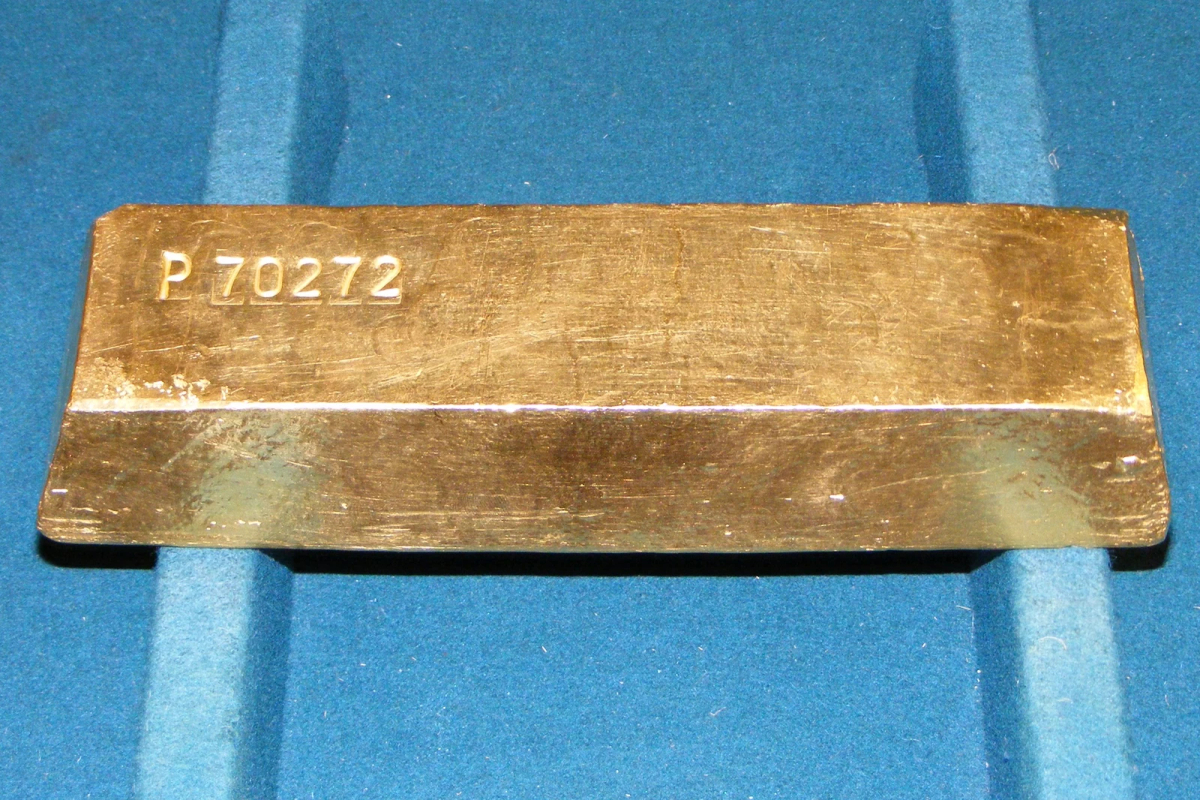
He expressed readiness to support chief executive Jensen Huang in pursuing an assertive approach that would direct a substantial portion of Nvidia’s cash holdings toward Bitcoin.
Mow’s comments appeared on the social platform X around November 23–24.
He indicated that the chipmaker’s cash position, reported near $29 billion in cash and cash equivalents as of late October in quarterly filings, should not remain entirely in conventional currency instruments that lose purchasing power over time.
Instead, he argued the moment had arrived for the company to acquire Bitcoin as part of its treasury operations.
The suggestion followed Nvidia’s recent board decision to reinstate Huang as president, chief executive, and director after a brief period of absence.
This external proposal arrived against a backdrop of Huang’s return to day-to-day leadership.
Huang’s reinstatement followed a short interruption triggered by personal matters that had drawn public attention.
In his first company-wide employee gathering after returning, Huang offered expressions of regret for the disruption and indicated he had begun counseling.
At the same time, he conveyed that the company’s overall direction would remain largely consistent with its prior course.
According to reporting cited in a LinkedIn News summary, observers familiar with internal discussions expect operations under this renewed tenure to resemble the established model rather than undergo major strategic shifts.
The approach appears intended to steady investor sentiment amid ongoing market sensitivity surrounding artificial intelligence growth projections.
Huang also addressed the topic of leadership continuity during the staff meeting.
He stated that formal succession planning would introduce unnecessary layers of hierarchy within the organization.
He pointed to Nvidia’s distinctive operating structure, in which numerous senior executives oversee discrete areas of the business and report in a relatively flat arrangement.
In his view, this setup already provides multiple capable individuals who could assume broader responsibilities if needed, without designating a single heir apparent in advance.
The comments align with earlier indications that Huang has long viewed traditional succession frameworks as potentially counterproductive for the company’s culture and decision-making speed.
Market participants and analysts had previously noted the absence of a clearly identified internal successor as a source of risk when Huang stepped aside earlier in the month.
Nvidia’s share price experienced volatility during that interval before recovering upon confirmation of his return.
The company has emphasized continuity of strategy and execution to address concerns about the durability of artificial-intelligence demand and related capital expenditure cycles.
Looking ahead, Huang is expected to confront questions on national-security considerations and corporate-governance practices in upcoming congressional appearances.
These inquiries stem from the circumstances surrounding his temporary departure and broader scrutiny of advanced chip technologies in geopolitical contexts.
The board has stated that it received input from senior U.S. government levels and concluded that reinstatement presented no national-security concern, yet legislative oversight is anticipated to continue.
Nvidia’s latest financial disclosures show cash and equivalents rising sharply through the year, accompanied by significant share repurchases and dividend distributions.
Mow’s proposal highlights one possible use for residual liquidity, though no indication has emerged that the company is evaluating digital asset allocations.
The suggestion remains an individual initiative rather than a formal shareholder resolution or board-level discussion.
Taken together, the developments illustrate Nvidia’s emphasis on operational continuity under Huang’s restored leadership while external observers float alternative ideas for deploying capital.
The company continues to project confidence in its existing model even as it navigates governance expectations and market perceptions of long-term AI-related risks. How the board balances these internal preferences with external commentary and forthcoming regulatory engagement will shape perceptions of stability in the months ahead.
Reg A - Form 1-A Filings Beta
Beta. Initial Form 1-A only. Target raise is the stated Amount to be Raised, totaled. Compared with the same dates one year earlier.
YTD: Jan 1, 2026 - Nov 27, 2026 vs Jan 1, 2025 - Nov 27, 2025
Source: DisclosureQuest. Initial Form 1-A only.
Created by Crowded Media Group
This display counts initial Form 1-A filings only. It does not represent subsequent filings, including Form 1-A/A amendments or Form 1-A POS post-qualification updates filed by the issuer. Amounts are the stated Amount to be Raised on the initial filing, not capital raised and not amounts revised in later filings.