3 min read
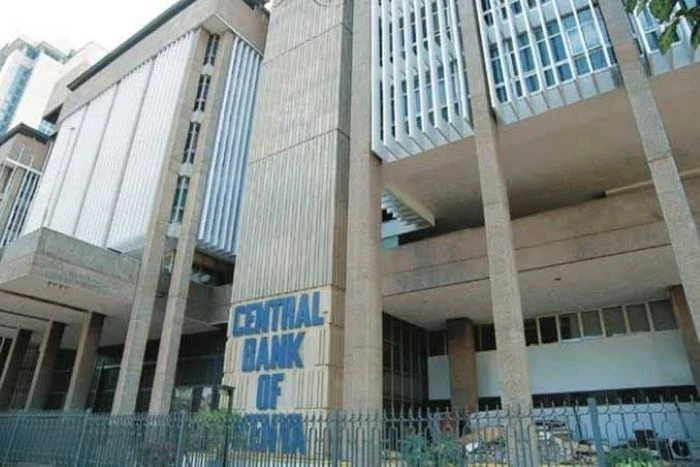
The Central Bank of Kenya (CBK) and the Capital Markets Authority (CMA) have introduced mandatory licensing requirements for cryptocurrency and other virtual asset service providers operating in Kenya.
In a public notice issued on Friday, November 13, 2026, the regulators announced that the Virtual Asset Service Providers (VASP) Regulations, 2026, had been gazetted on July 22, 2026.
The regulations require individuals and companies providing or intending to provide virtual asset services in Kenya to obtain licences from the relevant regulatory authority before commencing operations.
The new regulations operationalise the Virtual Asset Service Providers Act, 2025, which established the legal framework for licensing and supervising virtual asset businesses in Kenya.
- Neimeth major shareholder buys additional 74.7 million shares for N448 million
- NGX gains N2.20 trillion in one week of rollercoaster trades
- FCCPC seals real estate firm over alleged failure to deliver N140 million home
The Act designates the CBK and CMA as the country’s regulatory authorities, with responsibilities determined by the categories of services provided by individual businesses under its First Schedule.
The development follows earlier legislative milestones:
- The VASP Act, 2025, was gazetted on October 21, 2025.
- The legislation commenced on November 4, 2025.
- In a joint notice dated November 18, 2025, the CBK and CMA announced the enactment of the law and said the National Treasury Cabinet Secretary would develop regulations to implement it.
The regulations were subsequently developed by the Cabinet Secretary on the advice of the two regulators.
- “Following the completion of the regulation development phase, the CBK and the CMA notify the public of the gazettement of the VASP Regulations, 2026,” the statement read in part.
Businesses seeking to provide virtual asset services in Kenya must apply to the relevant regulator based on the nature of their operations.
The CBK and CMA have provided separate channels for licensing enquiries:
- CBK: [email protected]
- CMA: [email protected]
Both regulators have also published licensing checklists on their respective websites to guide applicants through the requirements.
They plan to publish lists of licensed virtual asset service providers to help members of the public identify authorised operators.
The regulators have urged existing and prospective virtual asset businesses to review the applicable licensing requirements and obtain the necessary authorisation before operating in Kenya.
A similar regulatory tightening is taking place in Nigeria, where nairametrics reported that the Central Bank of Nigeria (CBN) introduced a minimum paid-up capital of N15 billion for foreign currency-backed stablecoin issuers.
Under Section 15.2 of the regulations, foreign currency-referenced stablecoins, classified as Class 2, must be issued through a Nigerian-incorporated entity with a valid CBN licence. Operators must also maintain a physical office, effective local management and adequate supervisory arrangements in the country.
The capital requirements vary by category:
- Class 2 foreign currency-backed stablecoin issuers: N15 billion.
- Class 1 naira-backed stablecoin issuers: N10 billion.
- Other non-security virtual asset service providers, including exchanges and wallet providers: N1 billion.
The CBN also requires evidence of capital funding before final approval. Eligible capital must be held in cash in a designated CBN account or in Federal Government securities with an approved custodian.
For operators already licensed by the Securities and Exchange Commission (SEC), the CBN’s capital requirement is additional to the SEC’s prescribed capital, and the same funds cannot be used to satisfy both requirements.
Foreign issuers must also establish locally incorporated entities responsible for regulatory compliance, provide the CBN access to their records and reserve arrangements, and maintain a resident Chief Compliance Officer alongside local customer and redemption operations.
Telegram Channel
Follow Nairametrics
Leave a Reply Cancel reply
Related Stories
CBN sets N15 billion capital requirement for foreign stablecoin issuers, tightens P2P crypto rules
November 6, 2026
Yellow Card acquires Brazilian crypto firm GoMoney, expands Latin American operations
November 5, 2026
Binance resumes withdrawals in phases after $6 billion cyberattack
November 1, 2026