Russia's Moscow Exchange prepares to launch Bitcoin, Ethereum and USDT trading, with retail investors facing a 300,000-ruble annual purchase limit.
Table of contents
- Moscow Exchange plans to launch BTC, ETH and USDT trading on December 1, using its existing stock-market and clearing infrastructure
- Non-qualified investors will face a 300,000-ruble annual crypto purchase limit per broker after passing a suitability test, while qualified investors will have no such cap
- The launch could face complications over USDT transactions because Moscow Exchange and its clearing house remain under US sanctions, raising questions about Tether's wallet-freezing policies
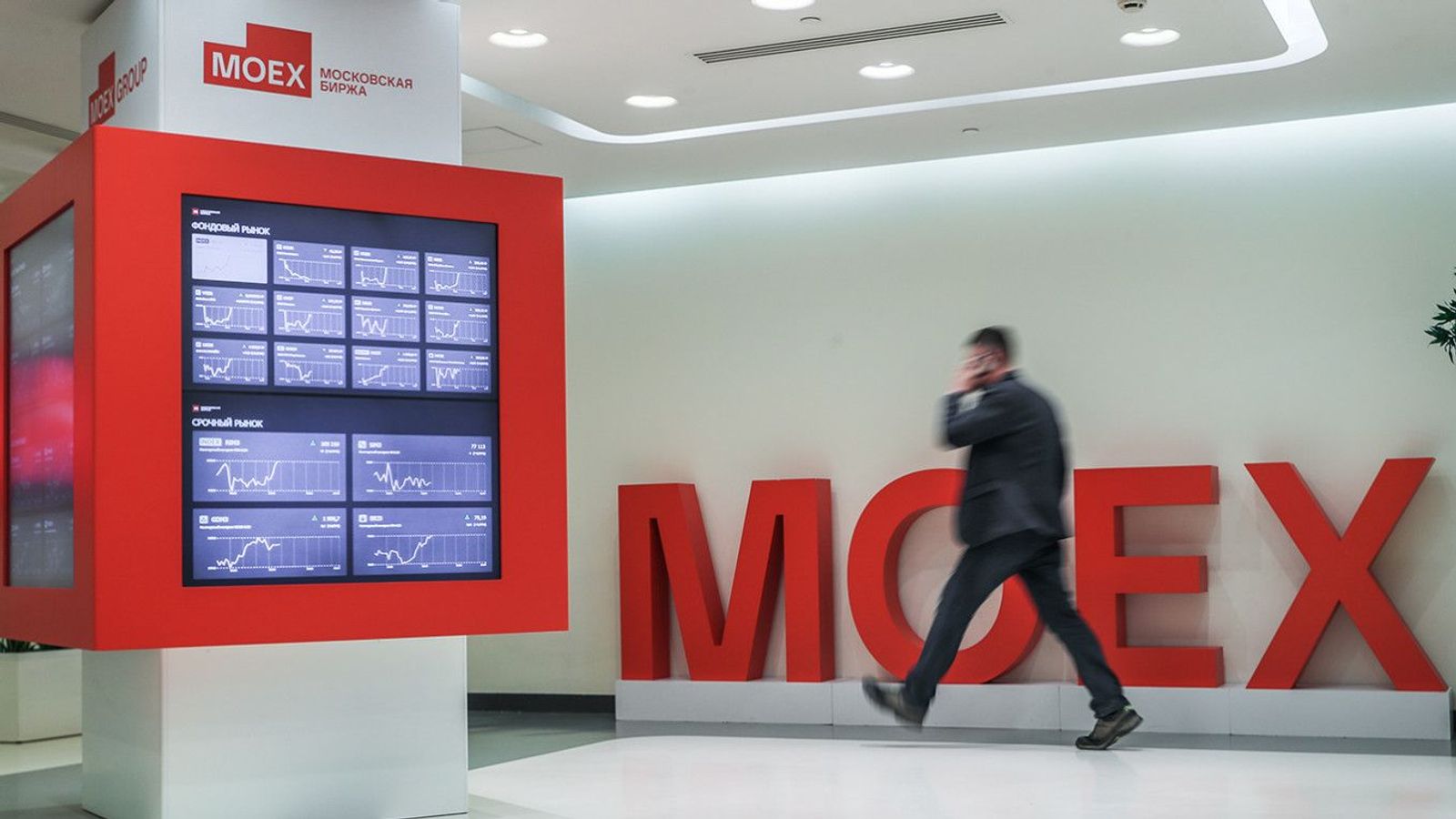
Moscow Exchange plans to introduce trading in Bitcoin, Ethereum and Tether on December 1, marking the launch of what it describes as Russia's first organized digital currency market. The market will operate under Russia's Federal Law No. 282-FZ, whose main provisions took effect on September 1, 2026.
Moscow Exchange outlines crypto trading arrangements
The exchange announced the plans on November 2, saying the initial rollout would involve pilot transactions as financial market participants gradually connect to the new platform.
Per the announcement, the initial offering will include BTC, ETH and USDT, with transactions available in both addressed and non-addressed trading modes.
Moscow Exchange will use its existing stock-market technology to process cryptocurrency transactions, integrating trades into the unified clearing system operated by its National Clearing Center (NCC). Trading hours will run from 6:50 a.m. to 11:50 p.m. Moscow time, matching the exchange's regular stock-market schedule.
Investors will also have access to same-day (TOD) and next-day (TOM) settlement, alongside swap transactions designed to support liquidity management. The exchange said it intends to expand the list of available instruments over time, adding more international and Russian digital currencies and assets.
Russia's new regulatory framework places restrictions on cryptocurrency purchases by non-qualified investors. Per the rules, retail investors must first pass a suitability test and will be limited to purchasing 300,000 rubles (approximately $3,700) worth of digital currencies annually through a single broker.
Meanwhile, qualified investors will not face the same annual purchase ceiling. The restrictions form part of Russia's broader effort to bring cryptocurrency investment into its regulated financial system while maintaining controls over retail participation.
US sanctions raise questions around USDT trading
The planned inclusion of USDT introduces an additional complication because both Moscow Exchange and its National Clearing Center are under US sanctions.
The US Treasury sanctioned the exchange and its clearing house in June 2024. Tether, the issuer of USDT, also maintains a policy of freezing wallets associated with sanctioned entities.
This raises questions about how Tether's sanctions enforcement policies could apply to USDT held or processed through Moscow Exchange's clearing infrastructure. Following the fallout from the Binance hack, Tether froze $1.5 billion in USDT, adding to Iran- and Russia-linked freezes carried out in 2026.
The December launch would give Russian investors another route to access major cryptocurrencies through domestic financial market infrastructure, although the initial retail limits and sanctions-related complications could influence adoption.
Aliyu Pokima is an accomplished journalist with a keen focus on cryptocurrencies and emerging technology. He has over five years of active newsroom experience under his belt, honing his craft across leading publications in the industry. His work focuses on macro trends, digital asset policies, and breaking Web 3 stories. When he's not poring over charts and following leads, he spends time volunteering and reading fiction.