Set Trending Topics as a preferred source on Google.
On Wednesday, Wall Street celebrated the end of election uncertainty; on Thursday, it is working out what a Democratic Congress means for the AI boom.
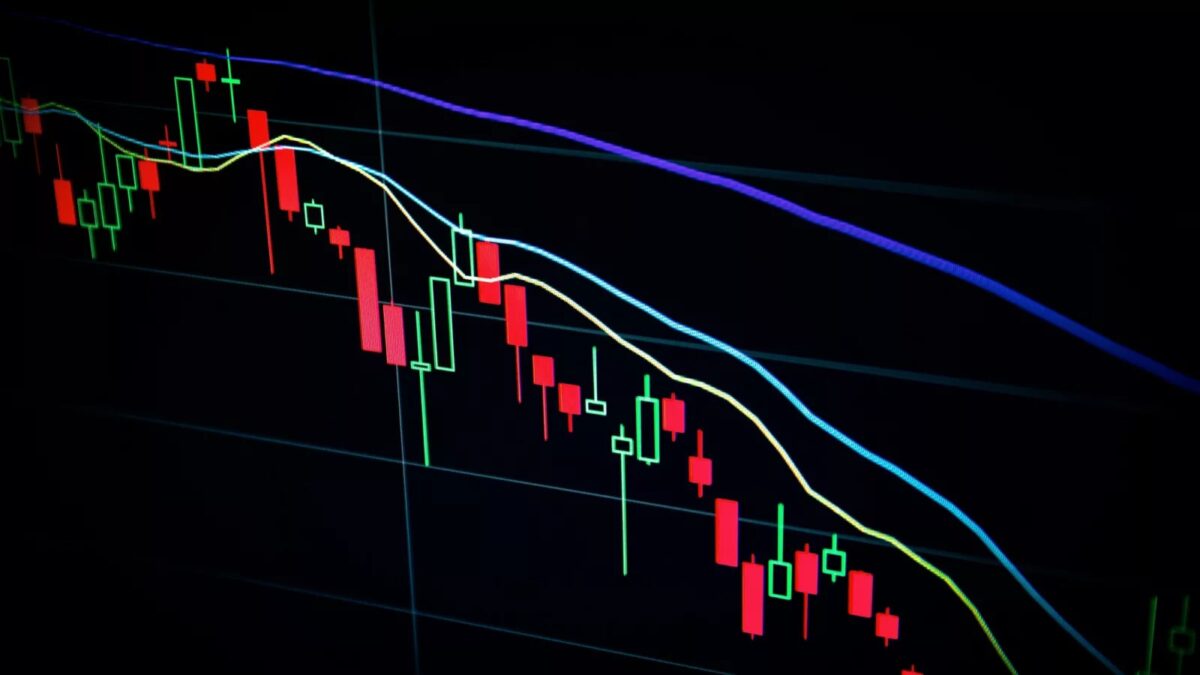
The relief rally after the Democrats’ election win lasted exactly one trading day. On Wednesday, the Dow Jones gained 1,569 points for its best day since April 2025, while the Nasdaq and S&P 500 rose around 1.5 percent, carried by Microsoft, Amazon and Apple. On Thursday, the picture reversed: the Nasdaq lost 5 percent during the US morning session, sliding into correction territory more than 10 percent below its high, the S&P 500 gave up over 3 percent, and the Dow more than 1,000 points. The VIX volatility index jumped more than 20 percent to above 20, and the Philadelphia Semiconductor Index lost more than 5 percent at times. According to Yahoo Finance, investors fled into consumer staples, pharma and financials; Walmart, Procter & Gamble and Merck gained, and gold rose to a record high above 4,120 dollars.
Chips First, Then Everything Else
What is being hit is whatever rose the most over the past two years. AMD and Micron lost around 16 percent at times, Marvell, which just bought Lumentum for 115 billion dollars, around 14 percent, Qualcomm fell more than 13 percent after a disappointing outlook, and Nvidia, Broadcom and Intel were down 8 to 9 percent. Data center operators were hit hard as well: CoreWeave down 15 percent, Nebius down 18 percent, Iren down 20 percent. Tesla lost more than 10 percent, Palantir more than 9 percent, SpaceX, only recently listed, more than 10 percent, Oracle 8 percent. In Seoul, SK Hynix and Samsung had already set the direction, with losses of 9 and 6.7 percent.
The trigger is the same as on election night, except that the market is now taking it seriously: Democrats control both chambers of Congress, and 78 percent of newly elected lawmakers want to regulate or restrict data center construction, while Texas and Georgia, the largest buildout markets, are getting governors who call for a moratorium. Add to that reports that the new Congress wants to scrutinize the hyperscalers’ trillion-dollar investment plans, and the memory of the latest quarterly results, in which Alphabet and Amazon reported negative free cash flow and rising debt without AI investments yet producing measurable returns. Jordan Watson, portfolio manager at Tandem Investment Advisors, warned against reading Wednesday as an all-clear signal: markets still have to digest the policy implications of the election, and more volatility is likely.
This is how the ten heaviest-weighted Nasdaq 100 stocks look after two trading days:
Source: Yahoo Finance, as of Thursday 4:30 p.m. CET, Thursday figures intraday.
The table shows the market’s split: software and consumer names (Microsoft, Apple, Netflix, Costco) are up after two days, while everything that builds or buys chips (Nvidia, Broadcom, Tesla, Meta) is down by double digits or close to it. Costco, Thursday’s only gainer, is the opposite of an AI stock.
Outside the top 10, the selloff is even more pronounced. The chip, data center and crypto stocks mentioned above after two trading days:
Source: Yahoo Finance, as of Thursday 5:00 p.m. CET, Thursday figures intraday.
Crypto Is on the Same Drip
The crypto market, which on Wednesday was still betting on a recovery with Bitcoin above 80,000 dollars, is following the Nasdaq down. Bitcoin fell more than 5 percent on Thursday to below 76,000 dollars, into the 76,000 to 78,000 dollar zone that 21shares had named as key support just that morning, before a test of the 200-day moving average at around 73,000 dollars looms. Ethereum and Solana lost around 7 percent, Hyperliquid, Chainlink and Cardano even more. Crypto stocks amplified the move: Coinbase and Strategy each lost around 10 percent. The industry’s concern that the CLARITY market structure bill will stall in a Democratic Congress adds to it, but the real driver is the same as in tech: Bitcoin has been trading like a leveraged Nasdaq stock for months, and when risk capital is pulled out of AI, it flows not into crypto but into gold and bonds.
Source: CoinGecko, as of Thursday 4:30 p.m. CET, excluding stablecoins.
What Argues Against a Longer Slump
Not everyone reads Thursday as the start of a bear market. The rotation out of AI had already begun before the election; Goldman Sachs’ basket of broad AI stocks was down 15 percent in October alone, and the election merely provides the occasion to take profits. Rates are helping: oil has fallen to a two-month low after progress in talks between the US and Iran, and the 10-year Treasury yield is below 4.9 percent, down from over 5.3 percent before the election. And companies are earning: according to Apollo chief economist Torsten Sløk, S&P 500 earnings growth is consistent with nominal GDP growth of 10 percent, and AppLovin jumped more than 30 percent on strong results. A law curbing data centers nationwide would also first have to survive both chambers and Trump’s veto. The next directional signal comes Friday with the US jobs report, followed on Tuesday by inflation data likely to decide the Fed’s December rate hike. Until then, Watson’s point stands: Wednesday was not an all-clear, and Thursday is not a diagnosis.
Aus Datenschutz-Gründen ist dieser Inhalt ausgeblendet. Die Einbettung von externen Inhalten kann in den Datenschutz-Einstellungen aktiviert werden: