Share
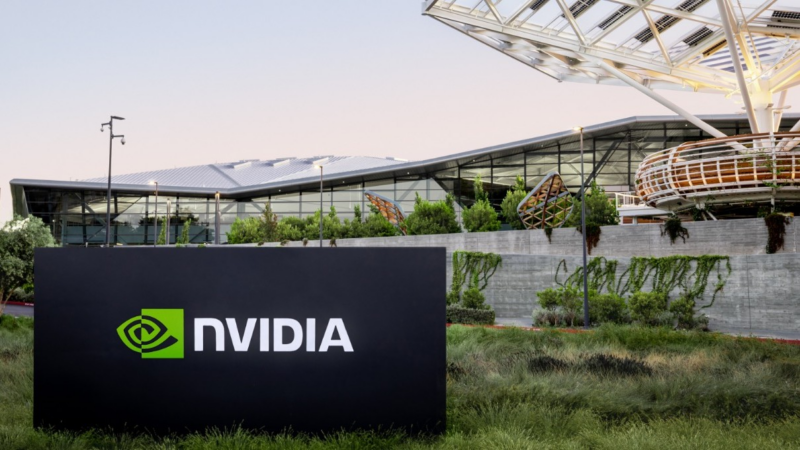
Jensen Huang is out as Nvidia’s CEO. The timing is awkward for Bitcoin miners, who have been betting billions that AI data centers can be their next act.
The leadership shake-up lands just as a Texas permit freeze and a wave of analyst downgrades put the economics of the miner-to-AI pivot under a microscope.
A leadership shock meets a regulatory wall
Nvidia announced Huang’s resignation on November 12, 2026. CFO Colette Kress has been named interim CEO, and Harvey C. Jones becomes the company’s first board chair.
The market reaction was swift. Nvidia shares fell by as much as 12% intraday, contributing to an estimated $500 billion to $855 billion in market-cap losses over the course of the week.
The selling didn’t stay contained. Following the resignation, IREN stock dropped about 6.5% and MARA slid about 6%, alongside broader declines across AI-related names.
Then there’s Texas. The state halted new data-center permits in September 2026, a decision with outsized consequences because approximately 25-30% of planned US AI capacity is linked to the state.
Newly elected governor Gina Hinojosa has committed to keeping that moratorium in place until lawmakers set rules on electricity and water costs.
The crypto and markets news you actually need—every morning.
Daily. Free. Join 34,000+ readers across crypto, finance, and policy.
We respect your privacy. Unsubscribe anytime.
Wall Street sharpens its pencils
Analysts had already started recalibrating before Nvidia’s news broke. In early November 2026, Bernstein cut price targets on AI-pivoted miners by 35-54%, pointing to financing concerns and regulatory uncertainty in Texas.
Morgan Stanley was also among the firms trimming targets on AI-focused miners.
Why miners went all-in on AI in the first place
Bitcoin miners spent years building the one thing AI companies now crave: large sites with access to massive amounts of power. Pivoting that infrastructure toward high-performance computing looked like an obvious upgrade.
Several miners have already signed multibillion-dollar AI and HPC hosting agreements with major users of Nvidia GPUs, including CoreWeave. Some have also lined up partnerships involving companies like Microsoft and Nvidia itself.
The haves and the have-nots
The combined pressure from Nvidia’s leadership change and the Texas freeze is drawing a clear line through the sector. On one side sit miners whose AI projects are already funded or already permitted. On the other are those still hunting for money and approvals.
Raising capital gets harder when analysts are cutting targets by as much as 54%, and a project that depends on a new Texas permit has no clear start date while the moratorium holds.
What this means for investors
For anyone holding AI-pivoted mining stocks, the immediate lesson is that these names now trade partly as AI proxies. That means Nvidia-specific news, even news about a boardroom reshuffle, can move them in ways that have little to do with Bitcoin itself.
A few things are worth watching from here. The first is how Kress and the new board steady Nvidia, since GPU supply and pricing ripple straight through to the customers that miners host. The second is whether Texas lawmakers produce the electricity and water rules Hinojosa says are needed before the permit pause can lift.
The third is financing. Miners that need to raise debt or equity in this environment may face steeper terms, which could squeeze the margins that made the AI pivot attractive in the first place.