Osmosis validators have locked down 64 accounts tied to the attacker behind the Web3Auth key leak, and the network's release notes give no date on which those restrictions will be lifted.
The freeze took effect at block 75,640,600 through the v32.0.1 patch published on GitHub on Nov. 20. Under the new rules, frozen addresses can no longer send tokens, delegate, pay or grant fees, or exercise authz permissions. Messages routed on behalf of a frozen account through authz, a smart contract or a different chain are rejected outright.
Developers initially froze 48 addresses and added 16 more on Nov. 19, the day before activation. Each of those 16 either moved funds to or from an already-frozen account or pushed assets to the attacker's Ethereum wallets through the Squid router. None of the 64 appear on the recovery list.
Osmosis shipped the change as a binary swap, sidestepping the governance vote such an upgrade would normally require. Nodes still running v32.0.0 halt with an app hash mismatch on the first block where the new rules diverge; below the activation height the two versions are identical.
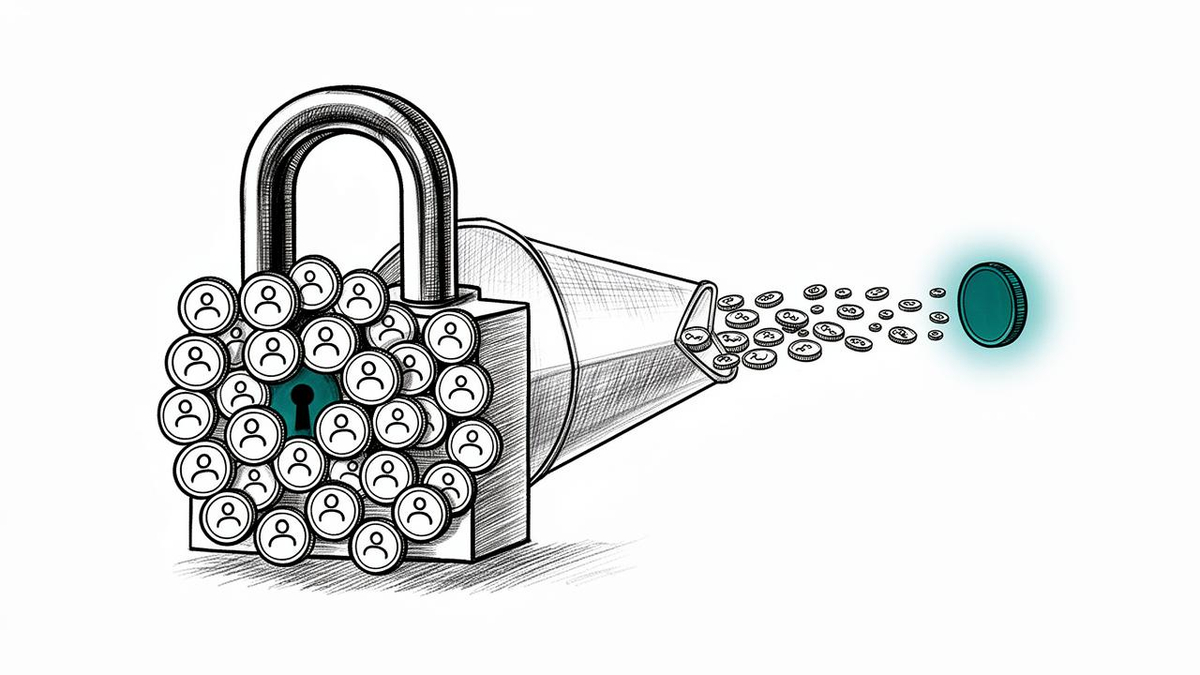
The same patch places restrictions on 84,002 exposed wallets. Until 00:00 UTC on March 31, 2027, those holders can move coins only to Web3Auth's recovery address, with transactions paid by one of two designated Web3Auth fee payers. The window includes a seven-day buffer plus two 14-day unbonding periods, and recovery undelegation may take up to one full period to begin because an attacker could have filled all seven unbonding slots on a delegation before activation.
Owners retain the ability to unlock, cancel unbonding, unstake, and withdraw rewards and liquidity. The design notes state that the upgrade itself transfers no funds, and every other Osmosis account continues to operate normally.
The exposure traces to Keplr wallets whose keys were managed by Web3Auth and accessed through Google and Apple social logins. Some of those private keys leaked because of a flaw in Web3Auth's service. Keplr has said wallets built on a hardware device or restored from a recovery phrase were never at risk.
Estimates of the damage remain contested. Bitquery puts the drain across more than 44,000 wallets on eight Cosmos chains, Osmosis included, at no less than $6 million. Web3Auth disputes that figure, arguing some of the outbound transfers were its own whitehat sweeps into recovery wallets it controls. The company has published a list of verified recovery addresses, which Keplr has confirmed as legitimate.
Note: The freeze on the 64 attacker-linked accounts carries no stated expiration date.
OSMO changed hands at $0.0285 at the time of writing, down 3.5% over 24 hours.
The episode lands in a crowded stretch for Cosmos security. Cosmos Hub validators recovered 1.23 million ATOM from the Neutron exploiter in September, and THORChain has been reopening swaps chain by chain after its own disruption.
For holders, the immediate question is when the 84,002 restricted wallets regain full functionality. Neither Osmosis nor Web3Auth has published account-specific restoration criteria, and the cited coverage does not explain how access will be returned once the March deadline passes. Web3Auth has also yet to issue a formal incident disclosure.
Until those details surface, the practical constraint is mechanical: affected users cannot simply move assets elsewhere, because the patch only permits transfers to the recovery address. That limits the ability of anyone holding restricted funds to exit positions, rotate into other assets or route liquidity to other chains before the deadline, a constraint that could weigh on Osmosis activity if the restricted cohort is large relative to total deposits. The indefinite nature of the attacker freeze, by contrast, has no stated sunset, leaving the 64 addresses locked for the foreseeable future.
Once added, BigGo Finance appears first in Google Search Top Stories, so you get the broadest, most up-to-the-minute, and most comprehensive global financial news first.