A larger pro-crypto contingent in the next U.S. Congress and evidence of voter influence in close races are fueling expectations for bipartisan progress on crypto policy.
The incoming Congress could have more than 300 pro-crypto members, giving the industry a broader base of potential legislative support. Organized crypto voters could also give lawmakers across both parties a reason to engage with regulatory proposals.
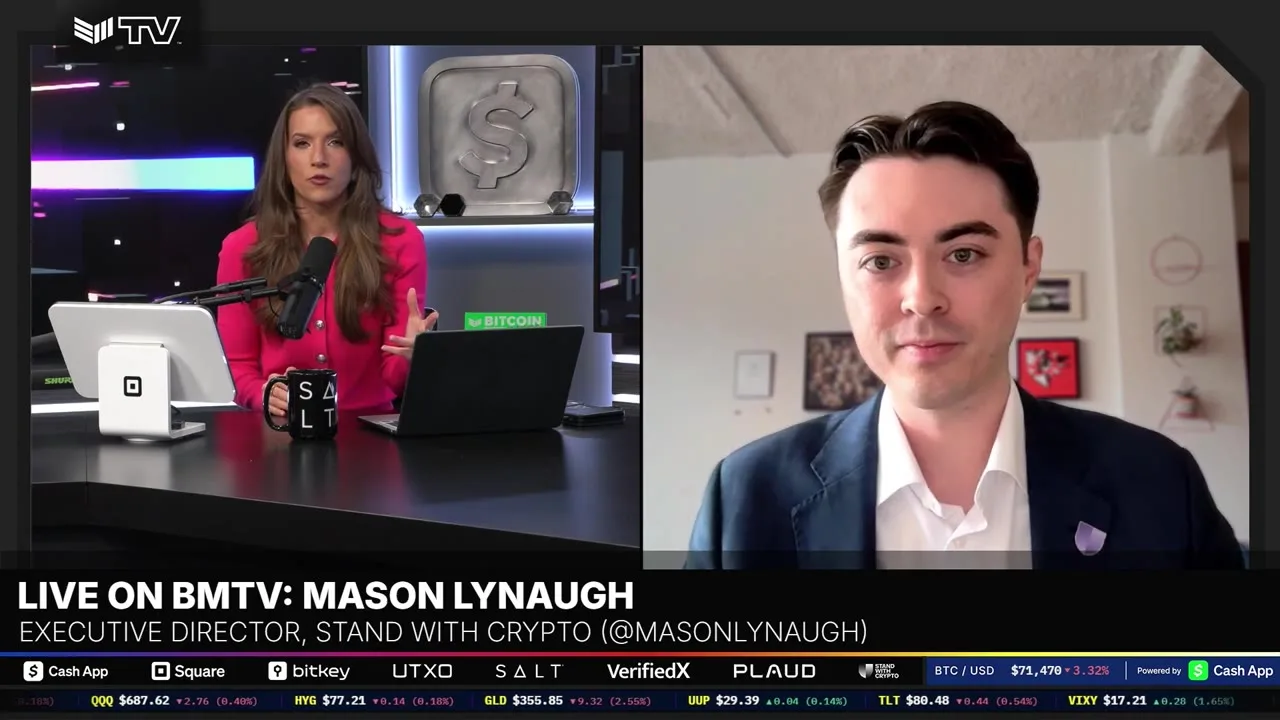
In a Bitcoin Magazine interview on November 13, Mason Lanaw, executive director of Stand with Crypto, said the number of lawmakers rated pro-crypto by the group could rise from around 96 in 2023 to more than 300 in the 120th Congress. He said that would represent a pro-crypto majority, although legislative agendas had yet to be set.
Lanaw said more than 60 incoming members were new pro-crypto lawmakers, creating opportunities to explain the issue’s importance to voters. He stressed the need to build support in both the Senate and the House, saying lawmakers could become advocates for their communities by listening to constituents.
He pointed to close election results as evidence of crypto voters’ potential influence. In Florida 9, where Daren Soto won by around 1,400 votes, Stand with Crypto had 11,000 advocates, Lanaw said. The group conducted phone outreach and door knocking, and he said he believed crypto voters affected the outcome. Other close races also had advocate populations larger than the winning margins, he added.
Lanaw said voters’ concerns should take precedence over friction between politicians and the industry. He cited more than 77,000 advocates in Ohio, arguing that campaigns and political relationships were secondary to constituents’ voices. The group’s role, he said, was to help voters express their concerns and ensure lawmakers heard them.
He argued that antagonizing crypto supporters offered limited political benefit, pointing to the group’s 3 million advocates. Lawmakers who considered the number of supporters in their districts or states would have reason to engage with them, he said. He also viewed outreach to the crypto community immediately after the election as recognition of its electoral importance.
Lanaw remained cautious about the substance and priority of future legislation. He said he did not yet know the details of the bill under discussion and acknowledged that the Clarity Act might not become a top priority or be pursued. Still, he said the crypto voter base could drive policy across party lines, while discussion of the issue soon after the election suggested continued momentum.
State policy would also be a major focus, Lanaw said, because the absence of a federal framework gave states a larger role. He cited the Arizona chapter’s involvement in pro-crypto legislation in 2025 and the Texas chapter’s work alongside the Texas Blockchain Council to support a strategic Bitcoin reserve.
Riza Dagoc
Riza Dagoc reports on regulation, investing and the digital-asset business for TokenPost. Send corrections or tips to [email protected].