Shiba Inu's on-chain ownership base has crossed 1.7 million wallet addresses for the first time, a milestone that lands at an awkward moment: the token itself is trading near its weakest level in more than five years, with the price unable to hold recent support.
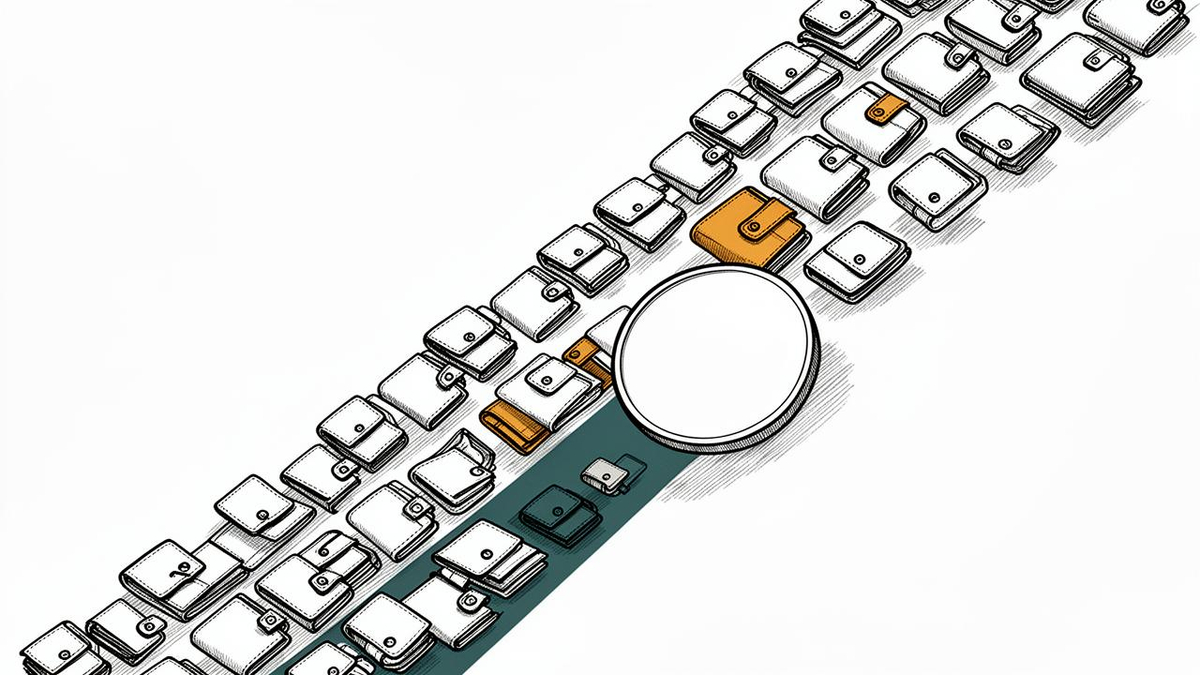
Etherscan data pegged the number of addresses holding SHIB at 1,700,247 on Nov. 17. That is a record for the Ethereum-based meme coin, which has retained a large retail following through a prolonged downtrend. But the count measures addresses, not people -- a single investor can control many wallets -- and it says nothing about the size of the balances those wallets hold.
Price action offered little encouragement. SHIB changed hands around $0.00000382, down 0.78% over 24 hours, and it has surrendered the $0.0000041-$0.0000042 band it defended through June and July. On Nov. 14 the token touched roughly $0.0000037, its lowest since May 2021, before a modest bounce. From a late-September peak near $0.0000063, the decline amounts to about 41%.
Technical signals have deteriorated in parallel. The 50-day moving average slipped below the 200-day average on Nov. 14, producing the first daily "death cross" since September 2025. A brief golden cross in early October failed to arrest the slide. The relative strength index fell to about 28 during the selloff, deep in oversold territory, yet trading volume has not spiked the way it did during summer rallies -- a pattern that points to a slow bleed rather than a single panic-driven liquidation.
The holder milestone and the price weakness tell two different stories about the same asset. Wallet growth has decelerated sharply, to roughly 0.005% a day, suggesting existing holders are not abandoning the token but that new buyers are scarce. On the supply side, maximum supply sits near 999.98 trillion tokens, a negligible reduction from the original 1 quadrillion, meaning token burns have done little to tighten the float.
Exchange data adds a further layer. According to CryptoQuant, platforms hold about 86 trillion SHIB. The dollar value of those reserves fell 6.81% in 24 hours to roughly $331.96 million, but the token balance itself dropped only 0.05%, or about 45.9 billion SHIB. In other words, the reserve shrinkage is a function of price, not of a wave of withdrawals. Negative netflows of that size can indicate holders are moving coins into self-custody rather than preparing to sell, though the effect here is too small to alter the market's direction.
The distinction matters because reserve valuation is now within striking distance of $300 million. Reaching that threshold would not require heavy selling -- a slide toward $0.0000035, about 11% below recent levels, would be enough. Exchange reserves have not traded below that mark in roughly four years.
Note: Holder figures reflect wallet addresses, not unique investors; one investor may control multiple wallets.
Liquidity conditions compound the problem. SHIB's investor base is overwhelmingly retail, and order books are thin, so large sell orders can widen the gap between quoted and executed prices. Institutional participation remains muted, leaving the token dependent on speculative flows that have been receding across risk assets.
What would change the picture? Reclaiming the $0.0000041-$0.0000042 range would ease selling pressure, with $0.0000046-$0.0000048 as the next resistance zone. A move back above those levels without accompanying volume, however, would leave doubts about durability. Failure to recover could bring $0.0000035 into play.
For now, the 1.7 million figure stands as evidence that Shiba Inu's community has not walked away. It is not evidence that the market has turned. A wider ownership base can, over time, lay groundwork for demand, but the current data does not confirm any lasting shift in direction, and the token remains below all major moving averages with the 200-day exponential average acting as firm resistance.
Once added, BigGo Finance appears first in Google Search Top Stories, so you get the broadest, most up-to-the-minute, and most comprehensive global financial news first.