Summary
- The spread of blockchain-based asset tokenization and on-chain finance presents both a new growth opportunity and a threat to South Korean financial firms.
- The institutionalization of security tokens would improve access to investment in non-standard assets and allow financial firms to diversify revenue models through businesses such as digital-asset custody and management.
- Retail investors should focus on the value of the underlying asset and its return structure rather than tokenization itself, and understand the prospectus before approaching the market through small investments and asset allocation.
Forecast Trend Report by Period
The spread of blockchain-based asset tokenization and on-chain finance could present both a new growth opportunity and a threat to South Korean financial firms, according to Shinhan Securities.
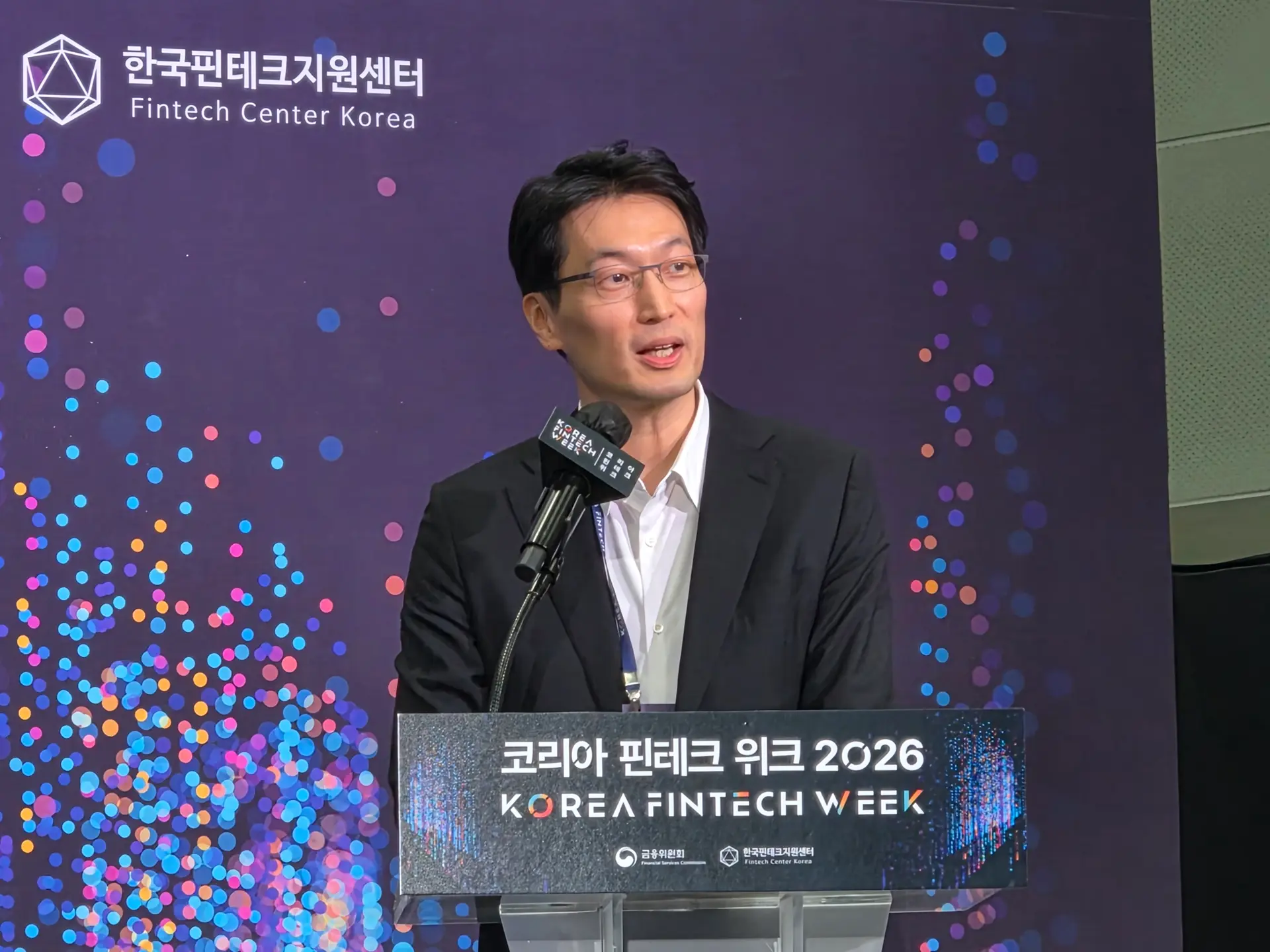
Speaking at Korea Fintech Week 2026 at Seoul's aT Center on November 27, Choi In-soo, head of Shinhan Securities' Digital Asset Department, said tokenization and on-chain finance are "a good opportunity and another crisis" for domestic financial firms.
Choi identified time, ownership and trust as the key changes blockchain technology could bring to the financial industry. Blockchain-based payment infrastructure could cut settlement times from the current one to three days and enable round-the-clock, year-round trading. He added that the institutionalization of security tokens would improve access to investment in non-standard assets that have been difficult to turn into financial products, including artworks and livestock such as Korean beef cattle and pork.
He also expects financial firms' profit models to change. Companies could diversify revenue streams beyond traditional brokerage- and settlement-centered business structures into areas such as digital-asset custody and management. Choi also highlighted the potential to boost capital liquidity and turnover by using tokenized financial products as collateral.
Citing global financial platform Robinhood, Choi also stressed the need for Korean financial firms to expand overseas. While domestic firms remain concentrated in the local market in both customer base and revenue structure, Robinhood has been awarded a higher corporate valuation because it has expanded globally and can offer a broader range of investment products, he said.
In South Korea, commercialization of blockchain-based financial services is set to gain traction in earnest from next year, when the security-token framework is scheduled to take effect. Still, Choi said product launches are unlikely immediately after implementation because companies must first complete steps such as business licensing, verification of distributed-ledger infrastructure, account integration and public offering procedures. If a basic law on digital assets is also put in place, a wider range of on-chain financial services could emerge over the next two to three years.
For retail investors, he advised focusing less on tokenization itself and more on the value of the underlying asset and its return structure. "Just because it's a token doesn't mean it offers higher returns," Choi said, recommending that investors fully understand the prospectus and the underlying asset, start with small investments and approach the market from an asset-allocation perspective.
Suehyeon Lee