Rune Christensen, who co-founded the decentralized finance protocol Sky, has paid down 3 million USDS against a loan backed by staked SKY and acknowledged that his own borrowing helped leave stUSDS depositors unable to withdraw. In a post on X on Nov. 23, he said roughly 77 million USDS remains outstanding and that he is weighing a direct sale of SKY tokens to institutional buyers to close the gap.
The admission marks a rare public mea culpa from the architect of one of the largest stablecoin-adjacent projects in DeFi. Sky, known for nine years as MakerDAO, issues the USDS stablecoin and the SKY governance token that replaced MKR.
"I was overconfident in Sky's strengths and took out the loan without properly considering the possibility of a sharp rise in interest rates," Christensen wrote, calling it a "big mistake" and one of the reasons stUSDS withdrawals are blocked. "I am sorry."
He committed to publishing progress reports at least every 48 hours, including when there is nothing new, and said his priority is securing the best outcome for stUSDS holders. He also said USDS is holding its $1 peg.
How a lending pool ran dry
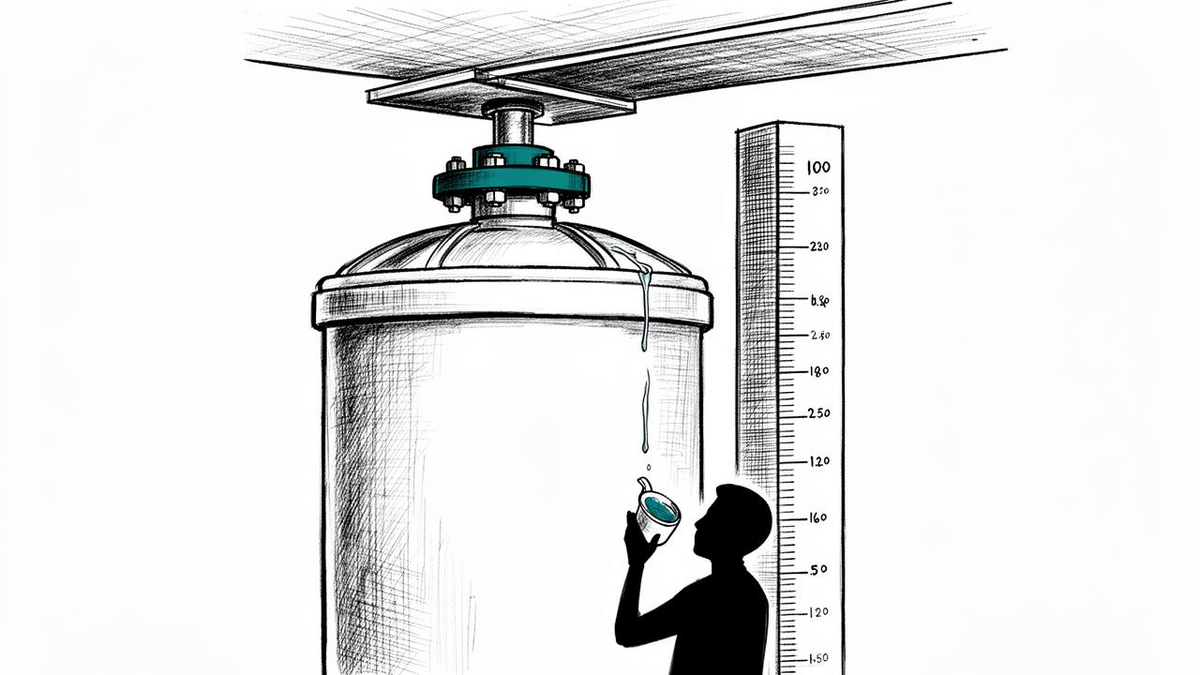
The withdrawal freeze is a liquidity problem rather than a solvency event at the protocol level. Borrowing demand against the stUSDS pool climbed until utilization reached 100%, leaving nothing available for redemptions.
A wallet tied to Christensen, rune.eth, reportedly accounts for about 48% of the stUSDS lending pool. As of Nov. 19 the pool held roughly $162 million in total value, with that single position making up about $77 million of the borrowing. No repayments had been made on the loan since it was reportedly opened in May 2025.
Note: Figures are as reported and reflect conditions before the Nov. 23 repayment.
Standard DeFi mechanics would normally compel a borrower to repay or top up an undercollateralized position. Those mechanics are not operating here: Sky disabled automatic liquidations for SKY-backed loans, and the protocol values SKY at a hard cap of $0.025 for collateral purposes even though the token traded near $0.046 in mid-November. It now changes hands around $0.040, down more than 3% over 24 hours. The cap was proposed by Christensen himself in a 2025 forum post, meaning the author of the rule was also the largest borrower operating under it.
Governance participants are discussing a separate proposal to address the stUSDS situation more broadly, Christensen said, without offering specifics.
Warnings that went unheeded
The concentration risk was flagged before the pool locked up. Aave considered onboarding stUSDS as collateral in 2025, but risk firm LlamaRisk cautioned that more than 90% of the USDS borrowed against staked SKY traced to a single entity and that redemptions depended on system-wide utilization. Aave's Marc Zeller recommended the DAO drop the proposal.
Scrutiny of the rune.eth wallet intensified after the Oct. 30, 2026, bankruptcy of Raw Power Games, a game studio Christensen also founded.
Separately, Sky said its Peg Stability Module reserve has recovered, with USDC liquidity back at $1.77 billion following a single-day outflow of more than $2 billion. The module is the swap facility that keeps DAI and USDS redeemable at 1:1.
The recovery comes against a weak credit backdrop. Moody's assigned Sky a B3 issuer rating in October, and S&P had already rated it B- in 2025. Both cited heavy depositor concentration and governance centered on Christensen.
What it means for holders and the token
The episode puts two pressures on SKY at once. A founder-level sale of governance tokens to repay debt could weigh on the price depending on size and execution, and markets typically treat large insider disposals with caution even when the motive is deleveraging rather than lost conviction. The token's discount to the protocol's own collateral valuation already signals that traders are pricing in the overhang.
For stUSDS depositors, the near-term question is whether the governance proposal restores redemption capacity or whether they remain queued behind a single borrower whose collateral the protocol deliberately refuses to liquidate. The 48-hour disclosure cadence gives holders a running gauge of how quickly the 77 million USDS balance shrinks.
USDS itself has held its peg, and the rebound in the Peg Stability Module suggests the stablecoin's redemption channel is functioning. The stress is concentrated in the yield-bearing wrapper, not the base stablecoin.
Once added, BigGo Finance appears first in Google Search Top Stories, so you get the broadest, most up-to-the-minute, and most comprehensive global financial news first.