Summary
- The Financial Services Commission said it has drafted a bill that would impose disclosure requirements on information affecting digital-asset circulation, including issuers’ large transactions and token burns.
- The bill would impose an administrative fine of up to 100 million won ($72,000) for nondisclosure or false disclosure, and would include airdrops, hacks, and system failures among ad hoc disclosure items that could materially affect investment decisions.
- The Financial Services Commission would gain authority to request payment suspensions of up to one year for exchange accounts and bank accounts suspected of unfair trading, including market manipulation and fraudulent trading.
Forecast Trend Report by Period
AI is analyzing this news. Please check back later
South Korea is pushing to require disclosures of information that could affect digital-asset circulation, including large transactions by token issuers and token burns. It also plans to allow exchange and bank accounts suspected of unfair trading to be frozen for as long as one year.
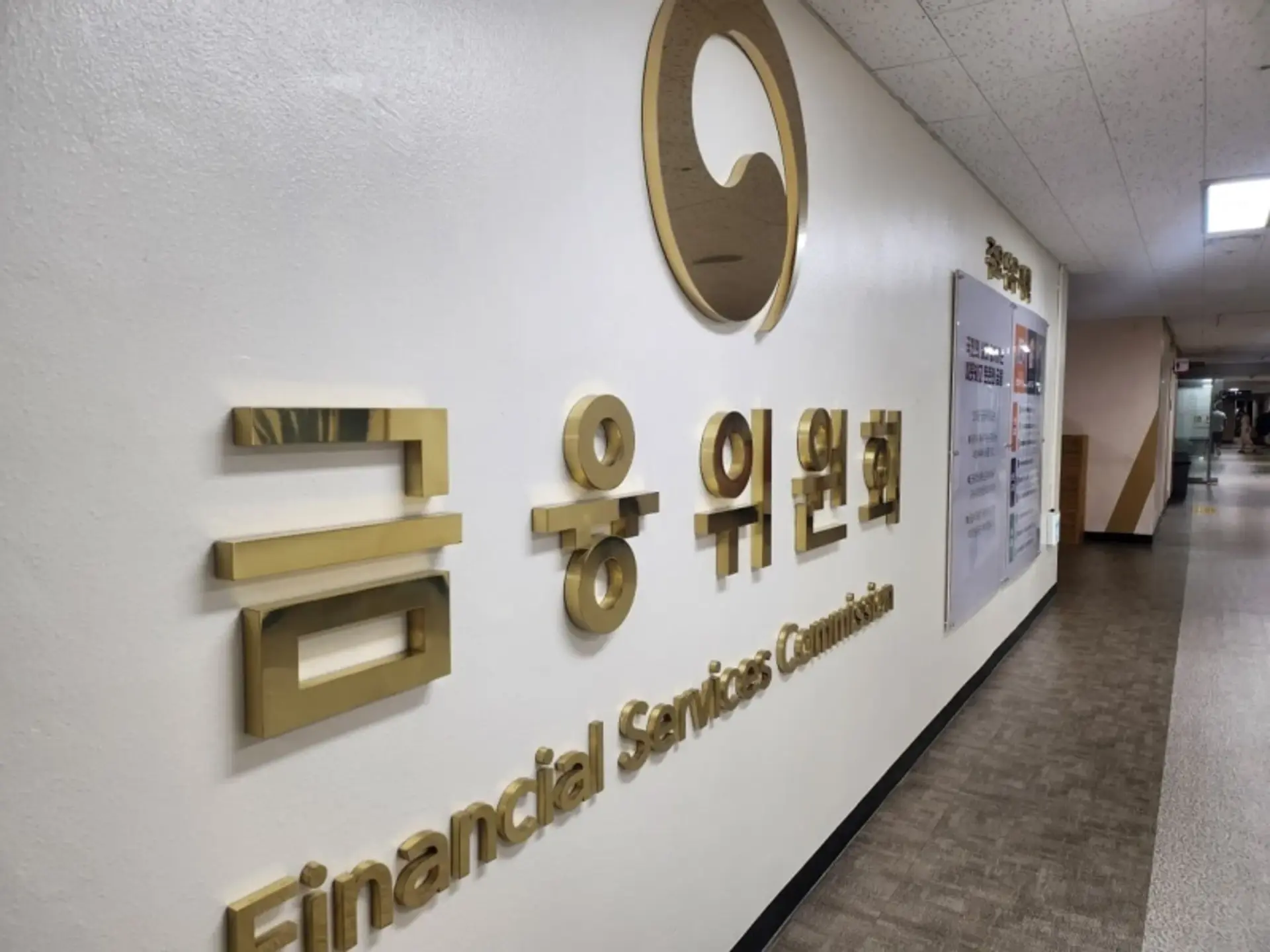
According to Digital Asset on November 26, a bill drafted by the Financial Services Commission, South Korea’s top financial regulator, includes provisions requiring ad hoc disclosures and allowing payment suspensions on accounts tied to unfair trading. The bill is titled the Digital Asset Industry Innovation and User Protection Act.
The disclosure regime would cover matters with a material effect on circulating supply, including large trades by issuers and related parties, free distributions such as airdrops, and token burns. Issuers and exchanges would also have to disclose hacks, system failures, changes to core technologies such as distributed ledgers, and other information that could materially affect users’ trading decisions.
The disclosure requirement would apply to parties that filed a digital-asset white paper with the Financial Services Commission and to exchanges that listed the asset. They would have to disclose relevant events without delay. Failure to disclose, or false disclosure, would be punishable by an administrative fine of up to 100 million won ($72,000). Detailed disclosure methods and procedures would be set by presidential decree.
The proposal would also create authority to block the movement of funds tied to unfair trading. The Financial Services Commission could request payment suspensions on all or part of related exchange and bank accounts if it has reasonable grounds to believe there was use of material nonpublic information, market manipulation or fraudulent trading, and if it needs to prevent the concealment of illegal gains. The measure would apply to digital-asset businesses, stablecoin issuers, banks and other financial companies. Investigative agencies would also be able to ask the commission to take action.
The initial suspension period would be six months and could be extended once for up to another six months if needed. Businesses that receive such a request would have to act immediately and notify both the account holder and the Financial Services Commission. Notice to the account holder could be delayed at the request of an investigative agency if there are concerns about flight or destruction of evidence.
A suspension would have to be lifted if it is confirmed that the account holder was not involved in unfair trading or that the account was not used to conceal illegal gains. The measure is separate from restrictions that can bar unfair traders from digital-asset trading for as long as five years. Instead, it is designed to block the movement of digital assets and cash at the suspicion stage.
YM Lee